2026 Best Corrugated Shipping Box Options for Global Buyers?
When it comes to global shipping, choosing the right packaging is crucial. The Corrugated Shipping Box stands out among various options. It offers durability and protection for products during transit. Buyers often seek boxes that can withstand long journeys and harsh conditions. However, not all corrugated boxes are created equal.
Some boxes lack strength or moisture resistance, leading to damaged goods. Buyers need to carefully assess their options to avoid such pitfalls. It is essential to consider the box's specifications, including flute size and material quality. A reliable manufacturer should provide detailed information about their corrugated shipping boxes.
In 2026, the market is flooded with alternatives. Buyers must navigate through countless choices to find the best solution. While some may lean towards cost-effectiveness, others may prioritize sustainability or performance. Striking a balance between these factors is a challenge. Ultimately, the right corrugated shipping box can make all the difference in ensuring product integrity and customer satisfaction.
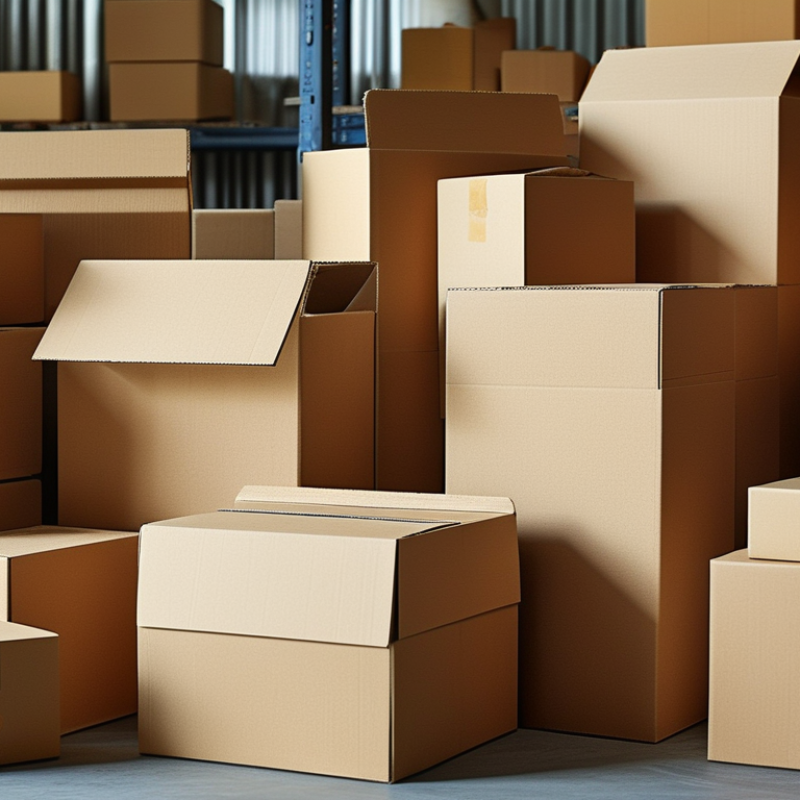
2026 Global Trends in Corrugated Shipping Boxes
In 2026, the global market for corrugated shipping boxes is experiencing notable shifts. With e-commerce growth soaring, the demand for sustainable packaging is higher than ever. According to recent industry reports, the corrugated box market is expected to reach USD 300 billion by 2026, driven primarily by rising online shopping trends. This increased focus on sustainability raises questions about environmental impacts. Buyers must consider both the carbon footprint of shipping and the recyclability of packaging materials.
One growing trend is the adoption of lightweight corrugated materials. These options reduce shipping costs and lower overall emissions. However, quality control can sometimes falter. Some boxes may lack the rigidity needed for safe transport, leading to damage. It's essential for buyers to select reliable suppliers who prioritize strength without sacrificing eco-friendliness.
Tips: Evaluate the quality and source of materials when selecting a supplier. Conduct thorough tests to ensure durability. Staying updated on industry innovations can also provide insights into emerging materials that balance sustainability with functionality.
Key Features to Consider for Choosing Shipping Boxes
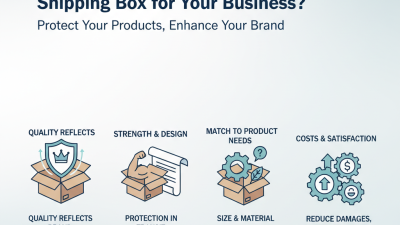
When choosing corrugated shipping boxes, understanding key features is essential for global buyers. The right box can protect products during transit, which ultimately impacts customer satisfaction. A recent report indicates that 47% of products are damaged in transit due to inadequate packaging. Therefore, investing in quality is paramount.
Material strength is critical. The American Society for Testing and Materials (ASTM) suggests using double-walled boxes for heavier items. These boxes offer more protection. Additionally, buyers should consider moisture resistance. According to industry studies, nearly 30% of shipping damage occurs due to water exposure. Selecting boxes that resist moisture can help mitigate this risk.
Sizing and customization cannot be overlooked. Poorly fitted boxes lead to movement during shipping. This can also increase waste. A report from the Packaging Association states that 40% of shipping costs are tied to inefficient box sizes. Involving logistics experts in the selection process can add insight. Experience shows that tailored solutions yield the best results. Choosing the right corrugated boxes is more than a transaction; it’s about enhancing the entire shipping experience.
Top Manufacturers of Corrugated Shipping Boxes Worldwide
When considering corrugated shipping boxes, global manufacturers play a crucial role. These boxes are essential for safe transportation. In 2022, the global market for corrugated boxes reached approximately $200 billion. It is projected to grow at a compound annual growth rate (CAGR) of 4% through 2026. This growth reflects the increasing demand for sustainable packaging solutions.
Many manufacturers focus on eco-friendly materials. They use recycled paper and biodegradable options. Reports suggest that over 80% of corrugated boxes are recyclable. This aligns with the rising consumer preference for sustainable practices. However, not all manufacturers adhere to these standards. Buyers must assess their suppliers' material sources. This diligence ensures compliance with environmental regulations.
Regional variations also impact production. In North America, manufacturers optimize for lightweight design. In contrast, Asia focuses on bulk production. Both approaches have merits and drawbacks. Some manufacturers struggle with quality control due to high volume output. Thus, buyers should prioritize suppliers with robust quality assurance processes. This attention to detail can prevent costly shipping errors.
Sustainability and Innovation in Shipping Box Design
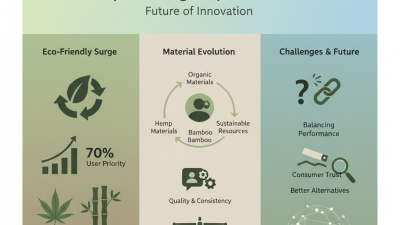
The need for sustainable shipping solutions is more pressing than ever. Traditional shipping boxes often generate significant waste and contribute to environmental degradation. However, innovative designs are emerging that focus on sustainability. These new boxes utilize eco-friendly materials such as recycled paper and biodegradable plastics. They are designed to be lightweight, reducing energy consumption during transport.
Creating these boxes involves more than just using green materials. The manufacturing process often requires less water and energy compared to conventional methods. Additionally, some designs allow for easy disassembly and recycling. However, challenges remain. Not all materials achieve the desired durability while being environmentally friendly. It requires continuous research and testing to find the right balance between strength and sustainability.
Visualizing the impact of these solutions is crucial. Consider a shipping box that not only protects products but also composts in nature within a few months. Yet, the industry must address cost implications. Eco-friendly materials can sometimes be more expensive, which could deter companies from switching. Reflecting on this dilemma is essential. As buyers, we must prioritize sustainability without sacrificing quality or affordability.
2026 Best Corrugated Shipping Box Options for Global Buyers
| Box Type |
Material |
Sustainable Features |
Weight Capacity (lbs) |
Price Range ($) |
| Regular Slotted Container |
Single-wall corrugated |
Recycled materials, recyclable |
30 |
0.50 - 2.00 |
| Die-Cut Box |
Double-wall corrugated |
Biodegradable options |
50 |
1.50 - 4.00 |
| Heavy-Duty Shipping Box |
Triple-wall corrugated |
Sourced from sustainable forests |
100 |
3.00 - 6.00 |
| Mailer Box |
E-flute corrugated |
Made from recycled content |
20 |
0.75 - 2.50 |
| Flat Pack Box |
Lightweight corrugated |
Easily recyclable |
25 |
0.30 - 1.50 |
Cost-Effective Solutions for Bulk Shipping Needs
When considering shipping solutions, corrugated boxes stand out as a popular choice for bulk shipping. These boxes offer a balance of durability and cost-effectiveness. Their lightweight structure reduces shipping costs. Many buyers appreciate this when conference shipping needs arise.
Tips for choosing the right box:
1. Consider the weight of your products. Heavier items require sturdier options.
2. Evaluate the size of your shipments. Proper fit helps reduce movement inside the box.
3. Think about environmental impact. Many corrugated options are recyclable and sustainable.
It’s important to recognize that not all corrugated boxes are created equal. Some may not withstand harsh conditions. Identify your shipping environment and select boxes based on their specifications. Look for certifications that ensure their quality. This reflection can prevent costly damages during transit.
Finally, always plan for potential overages in your shipping plan. This can lead to better budgeting and ensure that you have enough materials on hand. Being proactive can avoid unexpected challenges. A thoughtful approach will save you time and resources in the long run.




 +86-4000-808176
 +8618059761903