10 Best Folding Paper Techniques for Creative DIY Projects?
Folding paper can transform simple sheets into intricate designs. It’s an art that requires patience and skill. Renowned paper artist Robert J. Lang once said, “Folding paper is not just a craft; it’s a way to find beauty in simplicity.” His work has inspired many to explore creative DIY projects using folding techniques.
Incorporating various folding paper methods can unleash creativity. From origami to modular design, the possibilities are endless. Each technique has its unique challenges and learning curves. Mistakes are part of the journey. Reflecting on failed attempts often leads to innovative breakthroughs. This exploration of folding paper invites both beginners and seasoned crafters to risk imperfection.
Paper folding bridges the gap between art and functionality. Discovering effective folding techniques enhances DIY projects and provides a satisfying hands-on experience. The joy of creating something beautiful from a flat piece of paper is unparalleled. Engage with these techniques, and let your creativity flourish.
The Art of Folding Paper: A Comprehensive Overview
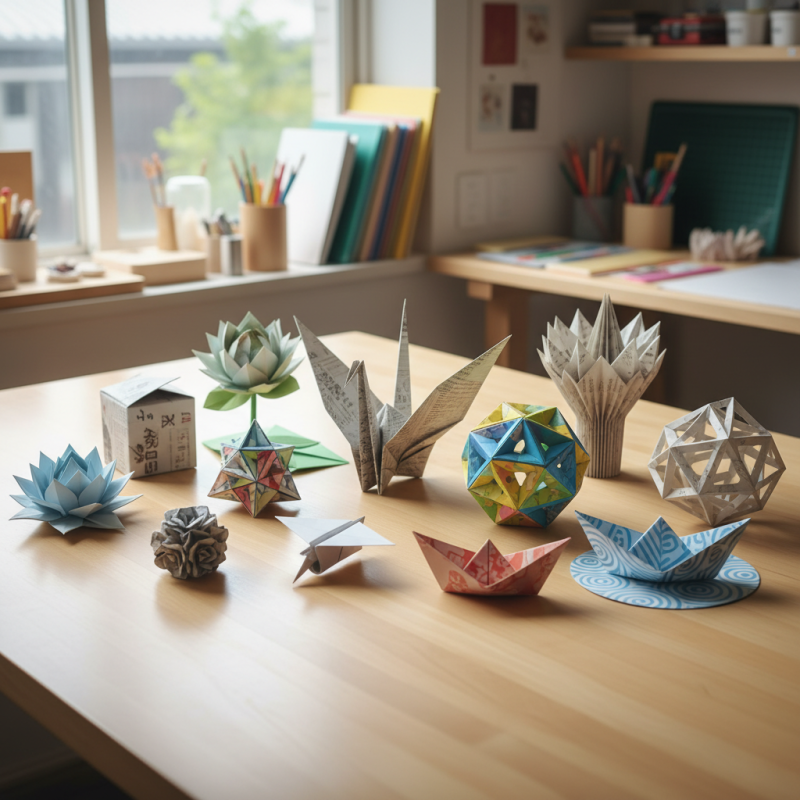
The art of folding paper, known as origami, has a rich history that dates back centuries. This intricate practice requires precision, patience, and a keen eye for details. Mastering simple folds can lead to stunning creations. Each fold tells a story, showcasing creativity and craftsmanship.
Many people underestimate the potential of paper. It starts as a flat sheet and transforms into remarkable shapes. Yet, not every attempt yields perfection. Mistakes are part of the learning process. Every crease matters. A slight misstep can alter the final design drastically. Embracing these imperfections is vital. They teach resilience and creative problem-solving.
As you delve deeper into folding techniques, you'll discover endless possibilities. From paper cranes to complex geometric sculptures, the journey is rewarding. Sharing your creations with others can inspire teamwork and community. Remember, the best designs often come from experimentation. Let your imagination fly with each fold of paper.
Essential Tools and Materials for Paper Folding Projects
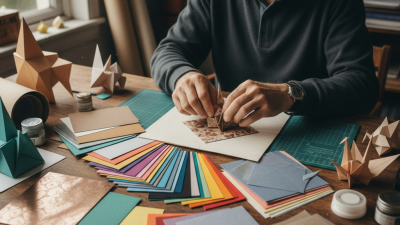
When diving into the world of paper folding, having the right tools and materials is key. Basic supplies include high-quality paper, scissors, and a ruler. The type of paper you choose will impact your final project. For intricate designs, thin paper is ideal, while thicker cardstock is great for sturdier creations. Don’t underestimate the importance of a good pair of scissors. Sharp tools ensure clean cuts and smooth edges, crucial for a polished look.
You might also consider a bone folder. This handy tool helps create crisp folds and neat creases. A cutting mat protects your surfaces and provides a stable workspace. Pencil and eraser are essential for marking guidelines, especially for more complicated techniques. It’s easy to make mistakes during paper folding. Reflect on your process and don’t rush. Learning from errors can enhance your skills. Patience is vital, and perseverance will take your projects to new heights.
10 Best Folding Paper Techniques for Creative DIY Projects
| Technique |
Description |
Skill Level |
Recommended Materials |
| Origami |
A traditional Japanese art of folding paper to create intricate shapes and models. |
Beginner to Advanced |
Origami paper, Bone folder |
| Paper Mache |
A technique that uses paper strips and adhesive to create scultpures and crafts. |
Intermediate |
Paper strips, Glue, Water |
| Quilling |
Rolling thin strips of paper into decorative designs. |
Beginner to Intermediate |
Quilling paper, Quilling tool |
| Burlap Paper Folding |
Creating textures and depth using burlap and paper together. |
Intermediate |
Burlap, Craft paper, Adhesive |
| Interactive Paper Models |
Creating models that move or have interactive parts. |
Advanced |
Cardstock paper, Sewing materials |
| Pop-Up Cards |
Creating greeting cards that pop up when opened. |
Intermediate |
Cardstock, Craft knife |
| Folding Booklets |
Creating small booklets by folding and stitching paper. |
Beginner |
Recycled paper, String |
| Folded Paper Flowers |
Creating decorative flowers using simple folding techniques. |
Beginner |
Colored paper, Scissors |
| Paper Sculpting |
Cutting and folding paper to create three-dimensional sculptures. |
Advanced |
Heavyweight paper, Craft knife |
Step-by-Step Guide to Creating Origami Animals
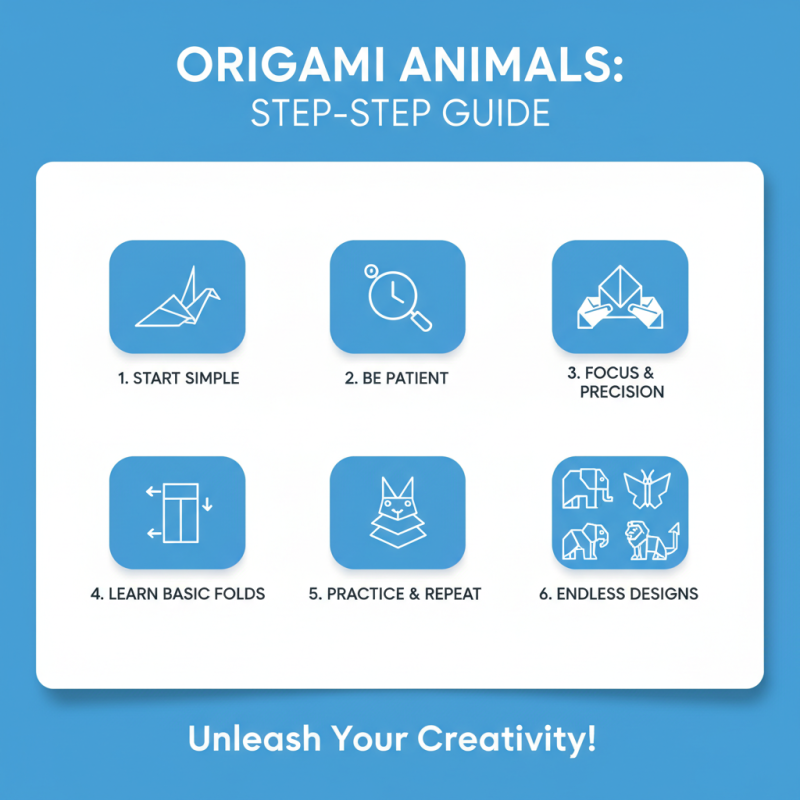
Origami is a delightful art form that combines creativity and precision. It can transform a simple piece of paper into an intricate design. Learning to create origami animals can be both fun and challenging. You'll need to approach it with patience and focus. There are countless designs, each requiring specific folds. Some animals are easier than others, so it’s wise to start simple.
Begin with basic shapes. The classic crane is a popular choice for beginners. To create a crane, fold your paper diagonally to form a triangle. Next, make a series of pleats. This process might be frustrating at first; don't be discouraged. Every fold matters, and practice will improve your skills. It’s important to take your time with each step, as rushing can lead to mistakes. Consider using colored paper for visual appeal.
As you gain confidence, try more complex animals like a fox or a butterfly. These designs require more advanced techniques. Follow tutorials that provide clear, step-by-step instructions. Don’t hesitate to seek help from online communities. Sharing your journey can be rewarding. Remember, mastery takes time. Each mishap offers a lesson. Enjoy the process, and embrace your creativity!
Innovative Techniques for Folding Paper into Functional Items
Folding paper is not only an art form but a practical skill. Innovative folding techniques can transform a simple sheet into functional items. Research from the American Craft Council underscores the trend, noting a 35% increase in DIY paper projects over the past three years. This surge is fueled by a desire for sustainable options in everyday life.
One popular technique is origami, which can create items like wallets, gift boxes, or even home decor. These creations are aesthetically pleasing and functional. Research indicates that 68% of DIY enthusiasts report greater satisfaction from using handmade items. However, mastering these folds requires practice and patience. Beginners often struggle to achieve precise folds. This common challenge highlights the importance of iterative learning in folding techniques.
Modularity in folding can elevate projects further. Creating multi-piece designs can enhance functionality. For instance, a modular design can lead to furniture or organizers. Yet, the challenge lies in ensuring stability and usability. Without careful attention to detail, folded items can lack strength. A recent report from the Paper Arts Society suggests that thoughtful design can lead to a 50% reduction in material waste. This efficiency is crucial for environmentally conscious creators.
Exploring Creative Paper Folding for Home Decor and Gifts
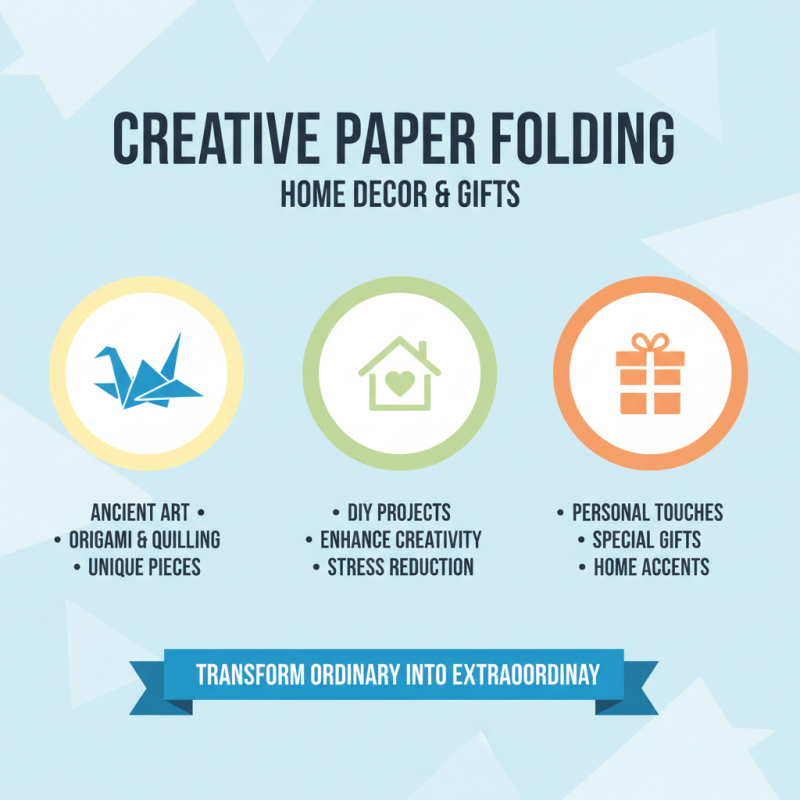
Paper folding, an ancient art form, offers a wide range of creative possibilities for home decor and gifts. According to industry reports, engaging in DIY paper projects can enhance creativity and reduce stress. Simple techniques, like origami and paper quilling, can transform ordinary sheets into unique art pieces. By incorporating personal touches, these projects become special gifts or home accents.
When starting your paper folding journey, keep a few tips in mind. Choose high-quality paper that enhances the look of your finished piece. Use geometric shapes to create visually striking designs. A well-lit space helps in focusing on the details, and a steady hand aids precision. Remember, mistakes can lead to unexpected designs, which can be delightful surprises.
For those looking to elevate their projects, consider integrating colors and patterns. Experiment with sizes; smaller folds often lead to intricate designs. Regular practice is key to mastering techniques. Reflect on your work, and don’t be afraid to mix styles to create something truly unique. This process is about exploration and personal expression.




 +86-4000-808176
 +8618059761903