How to Choose the Best Paper Cups for Your Needs?
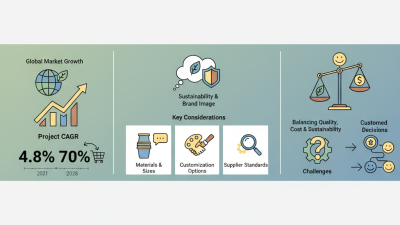
Navigating the vast landscape of Paper Cups can be challenging. With more coffee shops and events focusing on sustainability, these products must meet various needs. According to a report by Smithers Pira, the global paper cup market is projected to reach $4.4 billion by 2026. This growth reflects increasing consumer awareness about environmental impacts.
Industry expert Dr. Emily Carter emphasizes the importance of selection: “Choosing the right Paper Cups can significantly affect both customer experience and sustainability.” This statement highlights the critical balance between design, functionality, and eco-friendliness. Factors such as material type, size, and usage scenarios play a vital role.
While many individuals may overlook these details, making informed choices is essential. Some cups may not hold heat well, while others can be too fragile. Not all Paper Cups are created equal, which leads to reflections on priorities for businesses aiming to reduce waste while enhancing customer satisfaction.
Understanding Different Types of Paper Cups and Their Uses
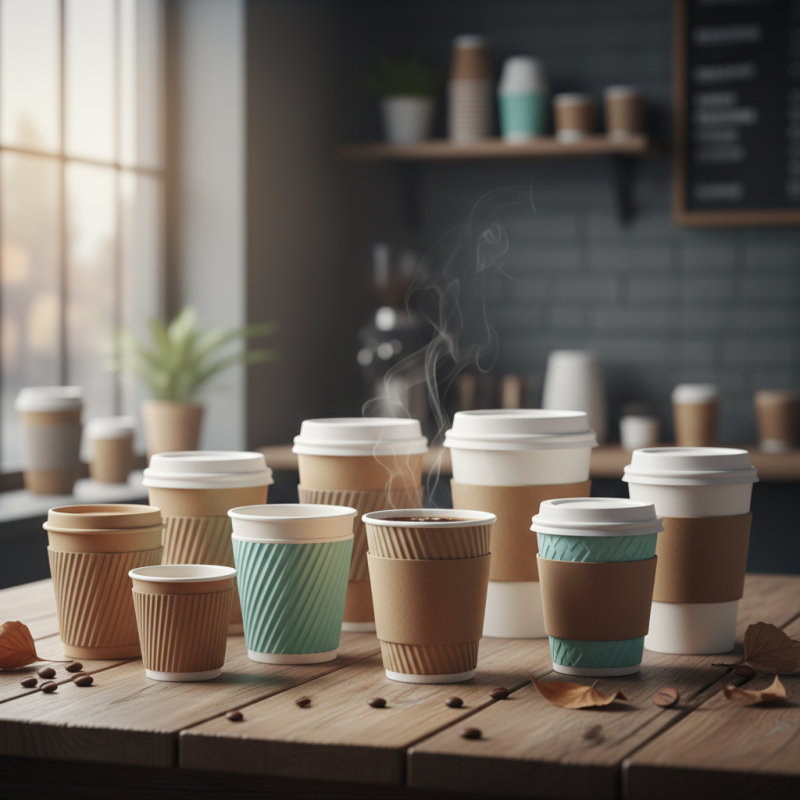
When selecting paper cups, it's crucial to understand the different types available. This choice affects not only functionality but also environmental impact. For instance, single-wall cups are commonly used for hot beverages such as coffee and tea. They are lightweight and cost-effective but can be flimsy and may not retain heat well. Research indicates that about 40% of consumers prefer double-wall cups for their superior insulation and sturdiness, especially in environments where beverages are served hot.
Furthermore, biodegradable paper cups have gained popularity due to rising environmental awareness. According to industry reports, around 30% of businesses now use eco-friendly materials to attract conscious consumers. These cups use compostable lining, making them a sustainable option. However, some companies struggle with sourcing these materials consistently, leading to supply chain challenges. It's essential to assess whether the benefits of transitioning to eco-friendly options align with your operational capabilities.
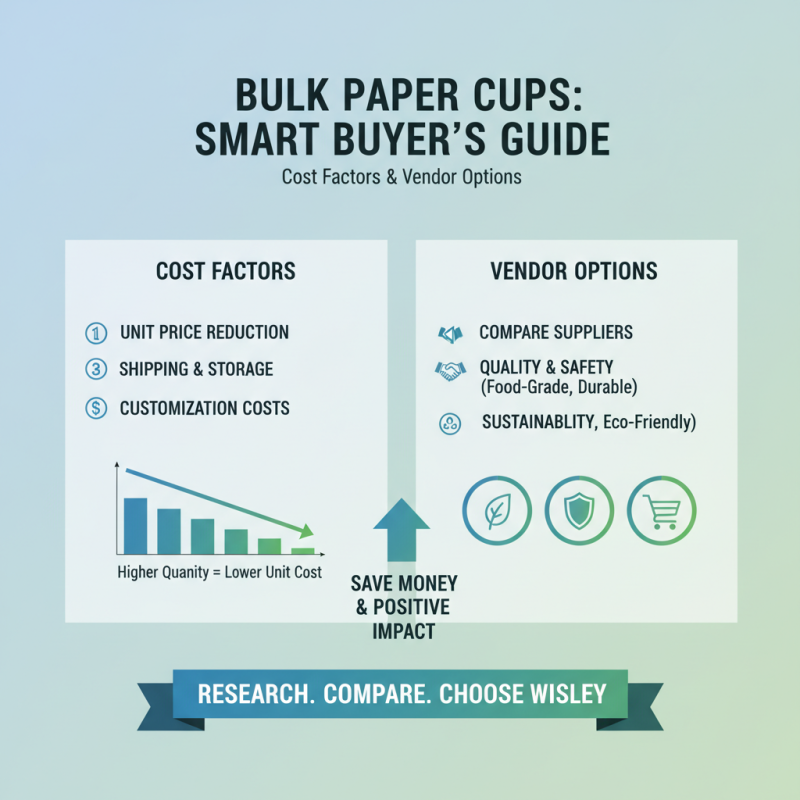
Lastly, custom-printed cups offer a branding opportunity, but they come with a trade-off. While they can enhance visibility, the costs are typically higher. Many small businesses find it challenging to justify this expense. Balancing practicality with marketing needs is an ongoing dilemma in the industry. Familiarizing yourself with these different types of paper cups will help you make informed decisions tailored to your specific requirements.
Understanding Different Types of Paper Cups and Their Uses
Evaluating Material Quality and Eco-Friendliness of Paper Cups
When selecting paper cups, evaluating the material quality and eco-friendliness is crucial. High-quality paper cups can handle temperature changes without compromising their structure. You want cups that do not leak or become soggy. Look for cups made from thicker paper. This often indicates better insulation and durability.
Eco-friendliness is becoming more important. Consider cups that use recycled paper or are made from sustainable resources. Biodegradable options are ideal. They break down faster and reduce landfill waste. Details such as lining materials also matter. Cups lined with polyethylene are generally less eco-friendly than those lined with natural alternatives.
Tips: Always ask suppliers about their sourcing practices. It’s essential to ensure they follow ethical standards. Keep in mind ingredient transparency. Not all cups are created equal. Consider the lifecycle impact—how they are produced, used, and disposed of. Researching these factors may lead to better choices for both your needs and the environment.
Determining the Right Size and Shape for Your Beverage Needs
Choosing the right size and shape of paper cups can greatly impact your beverage experience. According to industry reports, understanding the intended drink type is crucial. For espresso shots, a smaller cup (around 4 oz) is ideal. Larger servings, such as iced coffees or smoothies, typically require cups ranging from 12 to 16 oz. This tailored approach ensures every sip is both enjoyable and appropriate.
The shape of the cup also affects usability. Conical cups are often preferred for hot beverages, allowing for better grip and heat retention. On the other hand, straight-walled designs work well for cold drinks since they maximize stability and storage. A recent study revealed that consumers are more inclined to choose cups that feel comfortable in hand. Pay attention to the ergonomics and aesthetics. Sometimes, a cup may look good but not feel right.
Flexibility in sizes and shapes helps cater to various preferences. However, not every option will work for every beverage. There are pitfalls in choosing only one cup size for all drink types. Misjudgments can lead to spills or a less appealing drinking experience. Analyzing specific needs will guide better decisions. Ultimately, the goal should be to match the cup's design with the drink's purpose, enhancing overall satisfaction.
How to Choose the Best Paper Cups for Your Needs?
| Cup Type |
Capacity (oz) |
Height (inches) |
Diameter (inches) |
Best Use |
| Hot Beverage Cup |
12 |
4.5 |
3.5 |
Coffee, Tea |
| Cold Beverage Cup |
16 |
5.0 |
4.0 |
Juice, Soda |
| Ice Cream Cup |
8 |
3.0 |
3.0 |
Ice Cream, Desserts |
| Soup Cup |
10 |
4.0 |
3.5 |
Soups, Broths |
| Wine Cup |
9 |
4.0 |
3.0 |
Wine, Cocktails |
Assessing Design Options and Customization for Branding Purposes
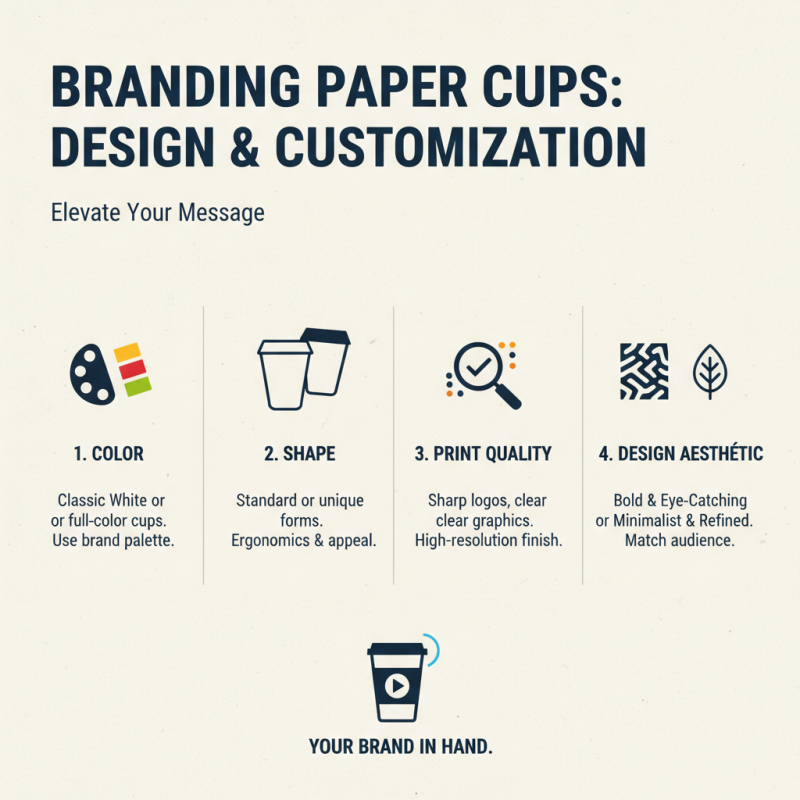
When selecting paper cups, consider how design options can enhance your brand. Color, shape, and print quality matter. A well-designed cup can attract attention and convey your message effectively. You could choose classic white cups or vibrant options featuring your logo. Bold designs can stand out, while minimalist aesthetics might appeal to a more refined audience.
Customization is another crucial aspect. Think about textures, finishes, and sizes that align with your branding. Matte finishes offer elegance, while glossy can add a pop of color. Remember, the cup's size should match the beverage and consumer preference. Too large, and it may feel wasteful; too small, and it might disappoint.
Reflect on the environmental impact of your choices too. Are you opting for eco-friendly materials? Sustainable options are appealing to many consumers. A cup that is both functional and good for the planet can tell a powerful story. Balancing aesthetics with sustainability can be challenging but worthwhile. Ultimately, the right paper cup design and branding can elevate the customer experience.




 +86-4000-808176
 +8618059761903