Why Choose Envelope Paper for Your Business Needs?
When it comes to business correspondence, the choice of materials matters significantly. Envelope paper is a crucial component of this equation. It is not merely a carrier for your documents. It represents your brand, professionalism, and attention to detail. Selecting the right envelope paper can elevate your business communications.
The texture, weight, and color of envelope paper can influence how recipients perceive your message. High-quality envelope paper conveys trustworthiness. In contrast, inferior paper may suggest a lack of professionalism. Investing in the right envelope paper enhances the overall impact of your communication. It shows that you value quality, not just in content but also in presentation.
However, choosing envelope paper is not without its challenges. Each type serves different purposes, and the abundance of options can be overwhelming. Reflect on what works best for your needs. Consider your audience, budget, and the kind of message you wish to send. Embracing envelope paper as a crucial part of your business strategy can yield significant rewards.
Advantages of Using Envelope Paper in Professional Correspondence
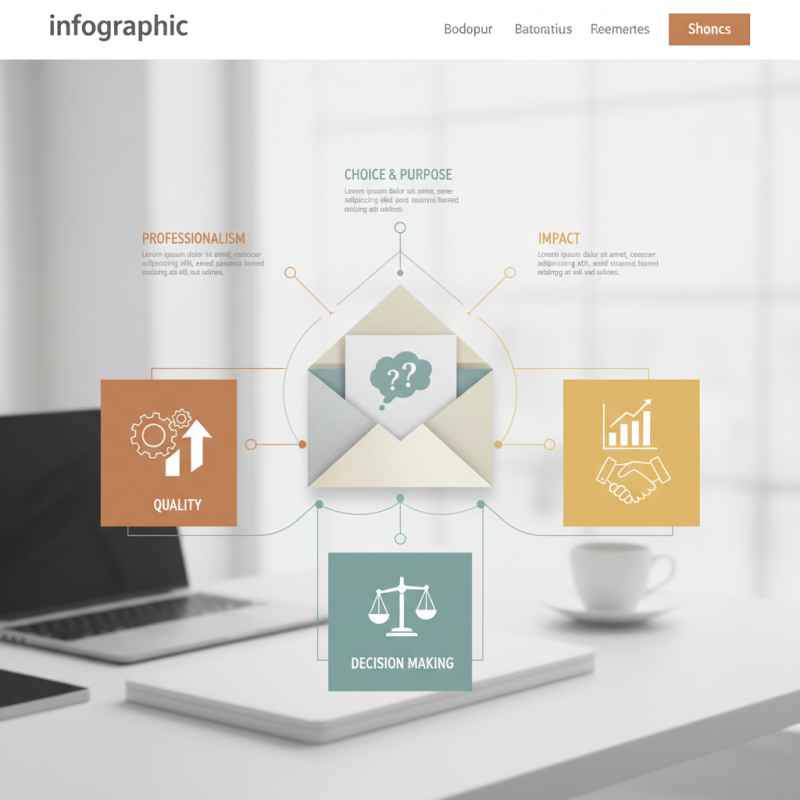
When it comes to professional correspondence, using envelope paper carries numerous benefits. This type of paper exudes a sense of professionalism and class. The texture and finish can make an impression before the contents are even revealed. A well-chosen envelope can reflect your business's values and attention to detail. A simple, yet elegant design speaks volumes, enhancing your credibility.
Moreover, envelope paper is versatile. Different weights and styles cater to various needs. From heavy cardstock to lighter options, you can match your correspondence type. Sending important documents? A sturdy envelope ensures they arrive intact. It conveys that you care about your business communication. But consider this: is your choice always aligned with your brand image? Reflecting consistently across all materials is vital.
Additionally, using quality envelope paper fosters trust. Recipients often feel reassured when receiving mail that feels significant. An envelope that is well-made suggests reliability. However, not all businesses utilize this advantage. Some rely on generic options, missing out on the potential impact. It’s worth considering how your envelope choice can elevate your communication strategy.
Why Choose Envelope Paper for Your Business Needs? - Advantages of Using Envelope Paper in Professional Correspondence
| Advantages |
Description |
| Professional Appearance |
Envelope paper provides a polished and elegant look that enhances the professionalism of your correspondence. |
| Variety of Sizes and Colors |
Available in multiple sizes and colors, envelope paper allows for customization to align with brand aesthetics. |
| Enhanced Security |
Using envelope paper can provide an additional layer of privacy and security for sensitive documents. |
| Durability |
High-quality envelope paper is durable and capable of withstanding wear during handling and shipping. |
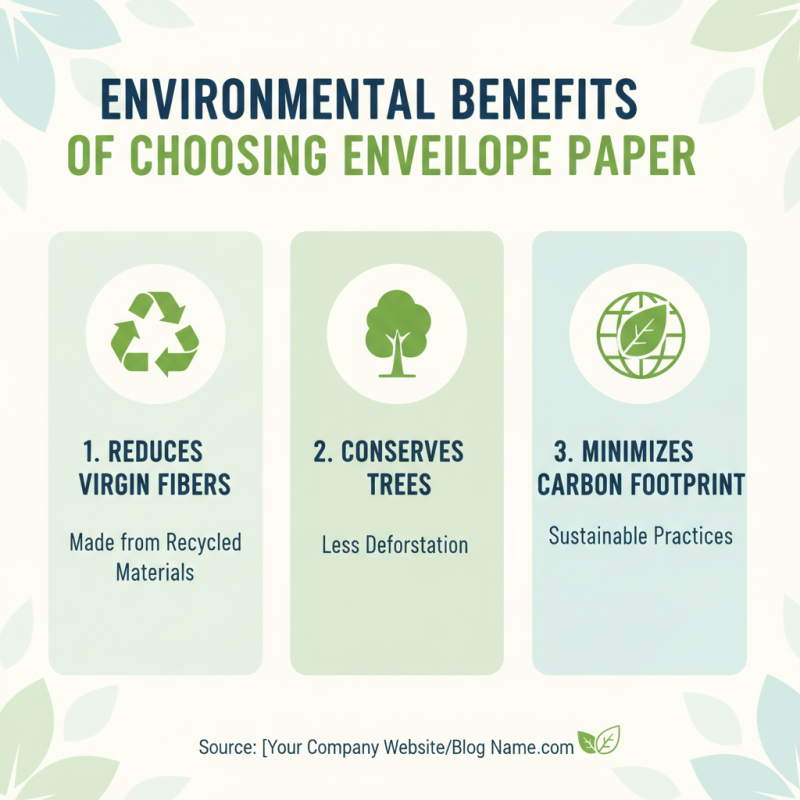
| Eco-Friendly Options |
Many envelope papers are available in sustainable materials, aligning with environmentally conscious business practices. |
| Cost-Effective |
Envelope paper can be a cost-effective option for bulk mailings while maintaining quality. |
Types of Envelope Paper Suitable for Business Applications
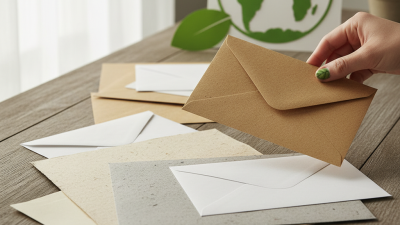
When it comes to choosing envelope paper for business applications, a variety of options exist. Classic choices include white wove, brown kraft, and glossy finishes. Each type serves distinct purposes and audience preferences. For example, white wove is often selected for formal correspondence due to its clean, professional appearance. Kraft envelopes, on the other hand, are popular for more casual settings. According to industry reports, around 65% of businesses prefer using eco-friendly kraft materials due to their sustainability.
Another essential aspect is the weight of the envelope paper. Standard weights range from 70gsm to 120gsm. Heavier options provide a premium feel and added protection for contents. A study by the Paper and Paperboard Packaging Environmental Council indicates that 75% of consumers perceive heavier envelopes as more trustworthy. Yet, heavier paper can increase mailing costs. This can be a concern for businesses operating on tight budgets.
Customization is pivotal in ensuring envelopes align with brand identity. Choices in color, texture, and printing options can enhance company image. However, a survey by the Direct Mail Association reveals that 55% of businesses struggle with the design process. This can lead to subpar results that fail to engage recipients effectively. Careful reflection on design can transform standard envelopes into compelling marketing tools.
Cost-Effectiveness of Envelope Paper for Businesses
Choosing envelope paper can significantly impact a business's budget. It offers an economical option without sacrificing quality. Many companies overlook envelope paper as a cost-effective solution. Bulk purchasing can further reduce expenses. This makes envelope paper a smart choice for bulk mailings or regular correspondence.
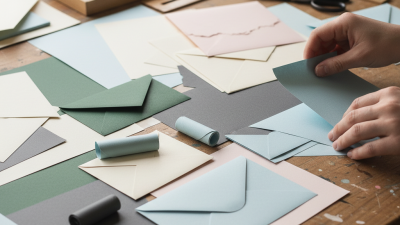
Envelope paper is versatile. It comes in various weights and finishes. This allows businesses to tailor their materials according to specific needs. Different designs can create a professional image at a lower cost compared to custom printed solutions. Savings can be substantial. Consistent branding is still achievable with strategic choices.
However, not all envelope papers are equal. Some may not withstand mailing processes well, risking damage to important documents. It's essential to select quality materials that convey brand values. Consider environmental impact too. Eco-friendly options can be a bit pricier, yet they often resonate positively with customers. Balancing cost and quality is crucial for long-term success.
Tips for Selecting the Right Envelope Paper for Your Needs
Choosing the right envelope paper is crucial for effective communication. The paper you select conveys your brand's image and professionalism. Some aspects to consider include weight, texture, and finish. Heavier paper often feels more substantial. It can enhance the perception of quality. On the other hand, lighter options may be more cost-effective for bulk mailings.
Here are some tips for selecting the right envelope paper for your needs. First, think about the purpose of the envelope. For invitations, a textured paper can add elegance. For business correspondence, a smooth, professional finish is often best. Next, consider the printing method. Some papers handle ink better than others. If you plan to use high-quality printing, ensure the envelope paper can withstand it.
Lastly, don't overlook the environmental impact of your choice. Recycled paper options are available and can help reduce waste. Sometimes finding balance is challenging. Reflect on your business image and choose accordingly. Simple mistakes in selecting envelope paper can affect your message's reception. It's essential to get it right. Every detail counts in creating a lasting impression.
Envelope Paper Types and Their Usage in Businesses
This chart represents the distribution of different types of envelope paper used by businesses for various purposes, including professional correspondence, marketing materials, and seasonal cards.




 +86-4000-808176
 +8618059761903