What is a Corrugated Shipping Box and How Does it Work?
A corrugated shipping box is vital in modern logistics. This packaging solution offers strength and durability. John Smith, an industry expert, once stated, “You can trust a corrugated box to protect your product.” His words highlight the reliability of corrugated shipping boxes.
These boxes are designed with layers for added protection. The structure helps absorb impact during transit. This minimizes damage to goods and maintains quality. Companies depend on these boxes for shipping fragile items, ensuring safe delivery.
However, not all corrugated boxes meet high standards. It's essential to choose the right type for your needs. Some may not withstand extreme conditions. This can lead to product loss and customer dissatisfaction. A thoughtful approach is critical when selecting a corrugated shipping box for your business.
What is a Corrugated Shipping Box: Definition and Overview
Corrugated shipping boxes are a staple in the packaging industry. They are crafted from fluted paper layered between flat liners. This unique construction provides strength and protection. Each layer serves a purpose, ensuring goods remain secure during transit. Lightweight yet durable, corrugated boxes are ideal for various products.
The design of these boxes allows for versatility. They come in all shapes and sizes, accommodating diverse shipping needs. This adaptability is crucial in today’s fast-paced e-commerce environment. However, not all corrugated boxes are created equal. Factors such as thickness and material quality can vary significantly. Understanding these differences is important for businesses. Choosing the right box can impact shipping costs and product safety.
While they are effective, corrugated boxes can pose challenges. For instance, they may not always be waterproof. This can lead to damage if exposed to moisture. Companies must consider environmental factors when shipping. Implementing additional protective layers could be necessary. It’s essential to reflect on these considerations to ensure smart packaging choices.
Structure and Design of Corrugated Shipping Boxes Explained
Corrugated shipping boxes are essential in logistics. Their design ensures safety and efficiency in transportation. A typical corrugated box consists of three layers: an inner liner, a fluted medium, and an outer liner. This structure provides strength without excessive weight. According to the Corrugated Packaging Alliance, over 95% of U.S. retail goods are shipped in corrugated boxes. This statistic highlights their widespread use and importance.
The fluting in the middle layer creates an air barrier. This feature helps absorb shocks, making the boxes more durable. A study by Smithers Pira revealed that corrugated boxes can reduce shipping damage by up to 25%. This significant number shows that quality design can enhance the protection of products. Innovative designs, like double-wall boxes, are gaining popularity for heavy items. However, some designs may lack adequate moisture resistance, leading to potential damage.
Sustainability is also a pressing issue. While corrugated boxes are recyclable, not all manufacturers utilize eco-friendly materials. A report from the International Corrugated Case Association indicates a need for improved practices in waste management. This illustrates an ongoing challenge within the industry. Balancing cost-effectiveness and environmental responsibility remains a complex task for manufacturers.
Key Benefits of Using Corrugated Boxes in the Shipping Industry
Corrugated boxes are essential in the shipping industry. They offer durability, lightweight construction, and excellent protection for goods. According to the Freedonia Group, corrugated box production is expected to increase by 3.5% annually, highlighting their growing importance.
One key benefit of using corrugated boxes is their ability to reduce shipping costs. These boxes are lighter than traditional shipping alternatives, which can help lower freight expenses. Additionally, their strong structure protects products from damage during transit, potentially reducing losses. Statistics reveal that damaged shipments account for approximately $21 billion in costs each year. Corrugated boxes can mitigate this issue.
Moreover, these boxes are environmentally friendly. They are made from recycled materials and can be recycled again after use. In fact, the Paper and Plastic Recycling Coalition reported that over 90% of corrugated boxes are recycled in the United States. This significant figure reflects a strong commitment to sustainability within the shipping industry. However, challenges remain. Not all companies prioritize recycling, and awareness could improve. Through better education, the industry could enhance its environmental impact and reduce waste.
Statistics on the Efficiency and Cost-Effectiveness of Corrugated Boxes
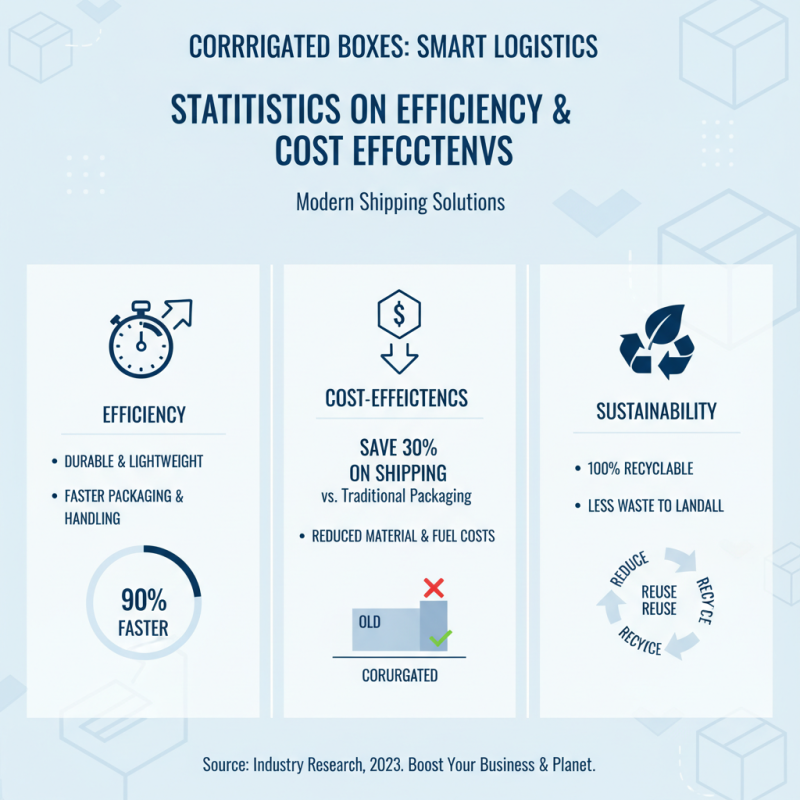
Corrugated shipping boxes are essential in modern logistics. They offer durability, lightweight design, and efficiency for shipping products. Research shows that they can reduce shipping costs by 30% compared to traditional packaging. Moreover, corrugated boxes are recyclable, aligning with environmental sustainability goals. Businesses can save money and boost their eco-friendly image simultaneously.
When considering corrugated boxes, think about sizing. An efficient box size minimizes empty space, reducing shipping costs. Using too large a box can lead to wasted material and added weight. Also, ensure proper cushioning to protect contents during transit. This can prevent damage and costly returns.
It's interesting to note that over 70% of consumer products are shipped in corrugated boxes. This statistic underscores their popularity and effectiveness. Businesses that prioritize using these boxes often report improved delivery success rates. However, it’s important to periodically evaluate your packaging strategy. Are the selected boxes truly the best option for your specific needs? Reflecting on these choices can lead to better efficiency and cost savings.
Eco-Friendly Aspects: Recycling and Sustainability of Corrugated Packaging
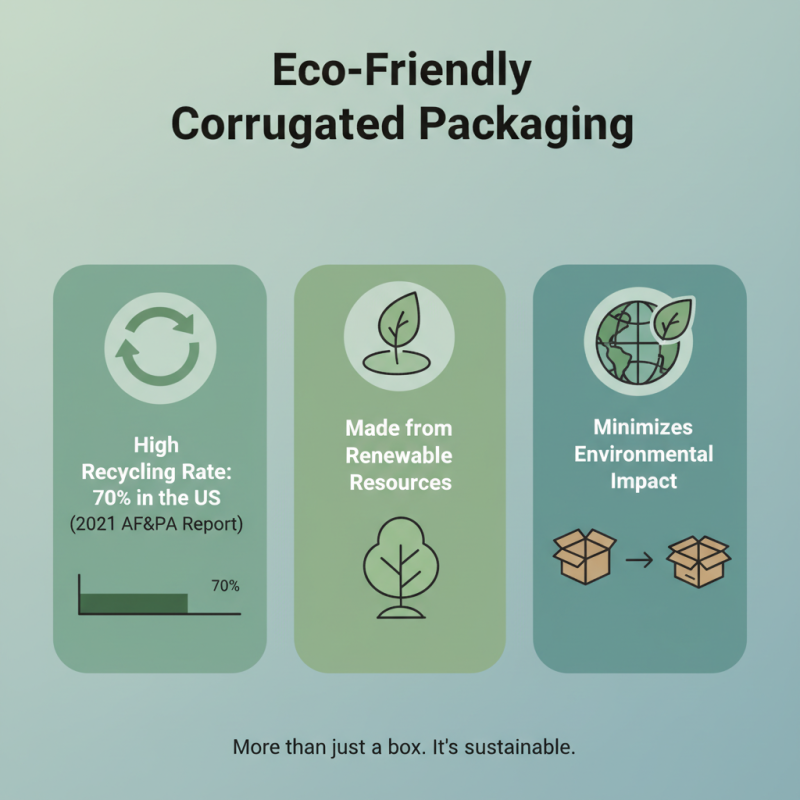
Corrugated shipping boxes are more than just a packaging solution; they play a key role in sustainability. According to a 2021 report by the American Forest & Paper Association, approximately 70% of corrugated cardboard is recycled in the U.S. This high recycling rate underscores the eco-friendly attributes of these boxes. They are often made from renewable resources, which minimizes their environmental impact.
The lifecycle of corrugated packaging contributes to its sustainability. After use, these boxes can easily be recycled into new materials. Notably, recycling one ton of corrugated paper saves about 24,000 gallons of water and reduces greenhouse gas emissions. However, the recycling process can be inefficient in some areas. Some consumers may not fully understand how to recycle these materials properly, leading to contamination in recycling streams.
Moreover, the reliance on single-use packaging continues to be a concern. While corrugated boxes are recyclable, the demand for convenience can lead to wastefulness. Consumers must be aware of this issue and strive to recycle correctly. With growing environmental awareness, the shift towards sustainable practices is essential. Not all corrugated packaging achieves optimal recycling results, suggesting there is still work to be done in educating users about proper disposal methods.




 +86-4000-808176
 +8618059761903