Why Choose a Disposable Bagasse Bowl for Your Eco-Friendly Dining Needs?
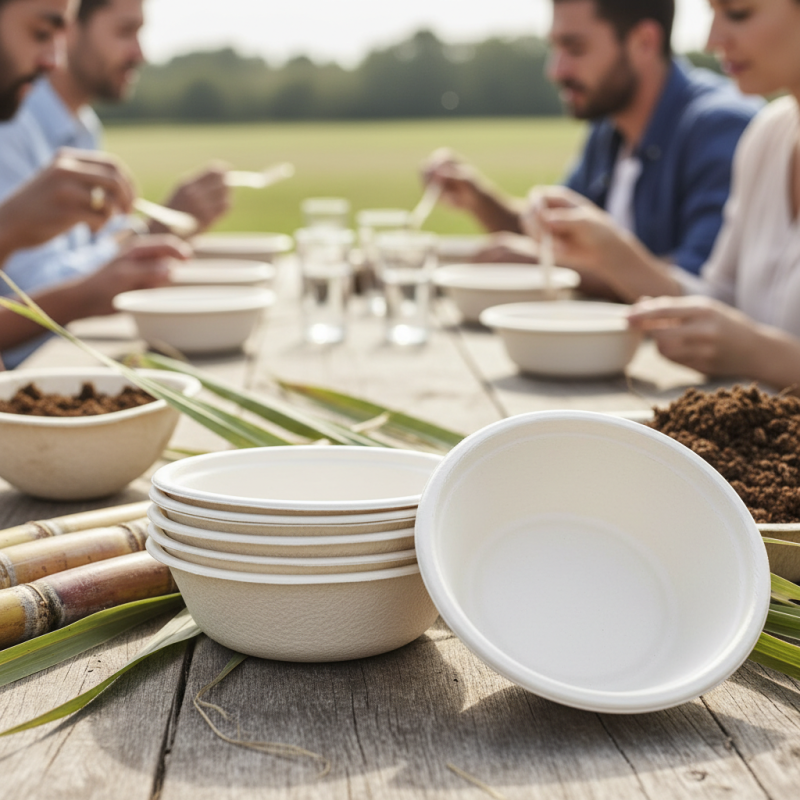
In today's world, sustainability is essential for dining practices. The Disposable Bagasse Bowl emerges as a practical option for eco-conscious consumers. Made from sugarcane by-products, it offers a biodegradable alternative to plastic and Styrofoam bowls.
When we choose a Disposable Bagasse Bowl, we are indirectly supporting sustainable agriculture. These bowls decompose naturally, reducing environmental impact. Many restaurants and events prioritize eco-friendly materials like this bowl. It represents a small but significant step towards a greener planet.
There are challenges with these products. Some may question their durability or cost. While they are generally sturdy, their performance can vary by brand. A Disposable Bagasse Bowl is a responsible choice, but it’s essential to consider various options available. By making informed decisions, we can contribute to an eco-friendly dining landscape.
Benefits of Using Disposable Bagasse Bowls for Sustainable Dining
Disposable bagasse bowls are a sustainable choice for eco-conscious dining. Made from sugarcane byproducts, these bowls offer a smart alternative to plastic. They are biodegradable and compostable, breaking down naturally in the environment. This helps reduce waste and limits pollution.
Using bagasse bowls supports the circular economy while providing strong, durable tableware. They can hold hot, wet, or oily foods without leaking or losing their shape. This functionality is essential for both casual and formal dining settings. Consider using these bowls for outdoor events and gatherings. They are lightweight and easy to transport, which is another advantage in busy catering environments.
Despite their benefits, some may question the cost-effectiveness of disposable options. It’s important to assess the environmental cost of traditional materials. While bagasse bowls may seem pricier upfront, their eco-friendly qualities justify the investment. Many users report satisfaction with their performance, though some might find them less familiar. Rethinking our choices can lead to a more sustainable dining experience.
Comparison of Bagasse Bowls to Traditional Disposable Tableware
Bagasse bowls offer a sustainable alternative to traditional disposable tableware. Made from sugarcane pulp, they are biodegradable and compostable. Unlike plastic or Styrofoam, bagasse bowls break down naturally. This makes them a wise choice for environmentally conscious consumers and businesses. Their sturdy design holds hot and cold foods well, ensuring they won't leak or bend during use.
In contrast, traditional disposable tableware often harms the environment. Plastics can take hundreds of years to decompose. They contribute to pollution and wildlife hazards. Bagasse bowls, however, return nutrients to the earth, supporting a circular economy. This shift towards eco-friendly dining is essential in our climate crisis. Yet, some may worry about price and availability. While bagasse bowls can be slightly more costly, their environmental benefits justify the investment.
The aesthetic appeal of bagasse bowls is also noteworthy. They have a natural look that enhances any dining experience. However, some find them less sturdy compared to heavier options. Individuals seeking eco-friendly alternatives should explore their options. Selecting sustainable products is not just a trend; it’s a necessary step toward a greener future.
Environmental Impact: How Bagasse Bowls Contribute to Eco-Friendliness
When it comes to eco-friendly dining, bagasse bowls stand out for their sustainability. Made from sugarcane pulp, these bowls are biodegradable and compostable. This means they break down naturally, reducing waste in landfills. Commonly used in restaurants and at events, they provide a practical alternative to plastic.
One notable benefit of bagasse is its strength. These bowls hold up well against hot and cold foods. This makes them a reliable choice for any meal. Plus, they are grease-resistant, ensuring that you won't have to deal with messy leaks. However, it's essential to remember that not all bagasse products are created equal. Research your options carefully.
Tips: Consider pairing bagasse bowls with plant-based utensils for an entirely eco-friendly dining experience. Always check the certifications on products to ensure they meet compostability standards. Share your experiences with others to promote sustainable practices in your community.
Practical Applications of Bagasse Bowls in Various Dining Settings
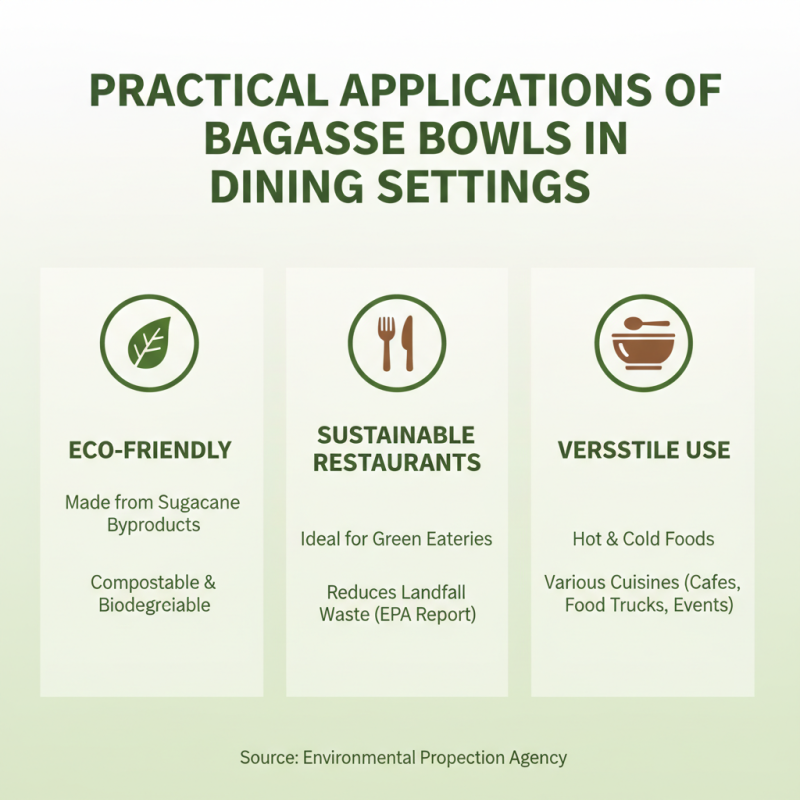
In recent years, bagasse bowls have gained popularity in eco-friendly dining. These bowls, made from sugarcane byproducts, are both compostable and biodegradable. This makes them an ideal choice for restaurants prioritizing sustainability. A report by the Environmental Protection Agency states that food waste is a significant contributor to landfill mass, making compostable options essential.
Bagasse bowls fit seamlessly into various dining settings. They are perfect for outdoor picnics, catering events, and food trucks. Their sturdy nature can hold both hot and cold foods without leaking. Studies show that nearly 75% of consumers prefer sustainable packaging when dining out. This shift highlights a growing demand for eco-friendly dining options.
However, not all consumers understand the benefits of switching to bagasse. Costs compared to traditional plastic can be higher. Many businesses also face operational challenges, such as finding reliable suppliers. Education is key to overcoming these barriers. Awareness campaigns can help promote the benefits of bagasse bowls. Investing time in this can lead to sustainable changes in dining habits.
Cost-Effectiveness of Bagasse Bowls for Businesses and Consumers
The shift towards eco-friendly dining options is not just a trend; it's becoming essential. Bagasse bowls, made from sugarcane fiber, present a cost-effective solution for both businesses and consumers. According to industry reports, the global market for sustainable tableware is projected to reach $7.5 billion by 2025, reflecting a growing demand for eco-friendly options. Businesses that switch to bagasse bowls can reduce overall packaging costs by up to 40%, significantly improving profit margins.
For consumers, using bagasse bowls means enjoying convenience without harming the planet. With a price point competitive with traditional plastic options, bagasse bowls offer a sustainable choice that doesn’t compromise quality. Data shows that 76% of consumers are willing to pay more for environmentally friendly products. This willingness can encourage businesses to adopt greener practices while attracting eco-conscious customers.
However, it’s essential to recognize the challenges. While bagasse bowls are biodegradable, they require proper disposal to fully realize their environmental benefits. Additionally, not all products marketed as "eco-friendly" meet the same standards. Consumers should investigate sourcing and certifications. Businesses must be careful to ensure that their sustainability claims are transparent and genuine, avoiding the pitfalls of greenwashing.
Cost-Effectiveness Comparison: Disposable Bagasse Bowls vs. Traditional Disposable Bowls




 +86-4000-808176
 +8618059761903