What is Envelope Paper and How is it Used?
Envelope Paper is a significant component of the paper industry. It plays a crucial role in mail communication and packaging. According to Smith Research Group, the global Envelope Paper market was valued at $12 billion in 2022, with steady growth projected. This growth emphasizes the ongoing demand for various envelope types.
Industry expert, Mark Thompson, stated, "Envelope Paper is essential for personal and business correspondence." This highlights its relevance today. Yet, many overlook its environmental impact. The production of Envelope Paper can lead to deforestation and waste. It's crucial to consider sustainability in this sector.
Despite advancements in eco-friendly materials, not all manufacturers prioritize sustainability. There is a gap in integrating recycled materials into production. As consumers, we should demand more responsible practices. The future of Envelope Paper hinges on balancing usability and environmental responsibility.
What is Envelope Paper?
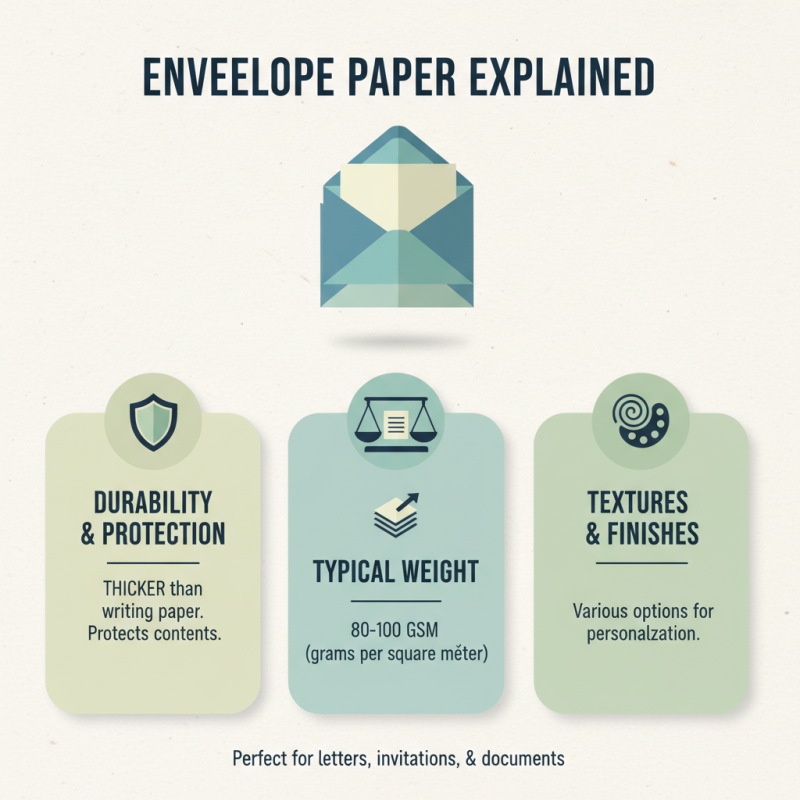
Envelope paper is a specific type of paper designed for making envelopes. It is usually thicker than normal writing paper. The weight of envelope paper typically ranges from 80 to 100 gsm (grams per square meter). This added thickness provides durability, which is vital for protecting contents inside. Envelope paper can have various textures and finishes, allowing for a more personalized touch.
The color of envelope paper is varied. Common options include classic white and subtle cream. However, vibrant hues are also available for creative projects. Many businesses prefer branded envelopes that reflect their identity. DIY enthusiasts may use envelope paper for crafts. It can be cut, folded, and glued into unique shapes. Some people face challenges while working with it, especially when trying to achieve a crisp finish. Experimenting with different folds is essential. A well-made envelope can enhance the presentation of a handwritten note or letter.
Types of Envelope Paper Materials
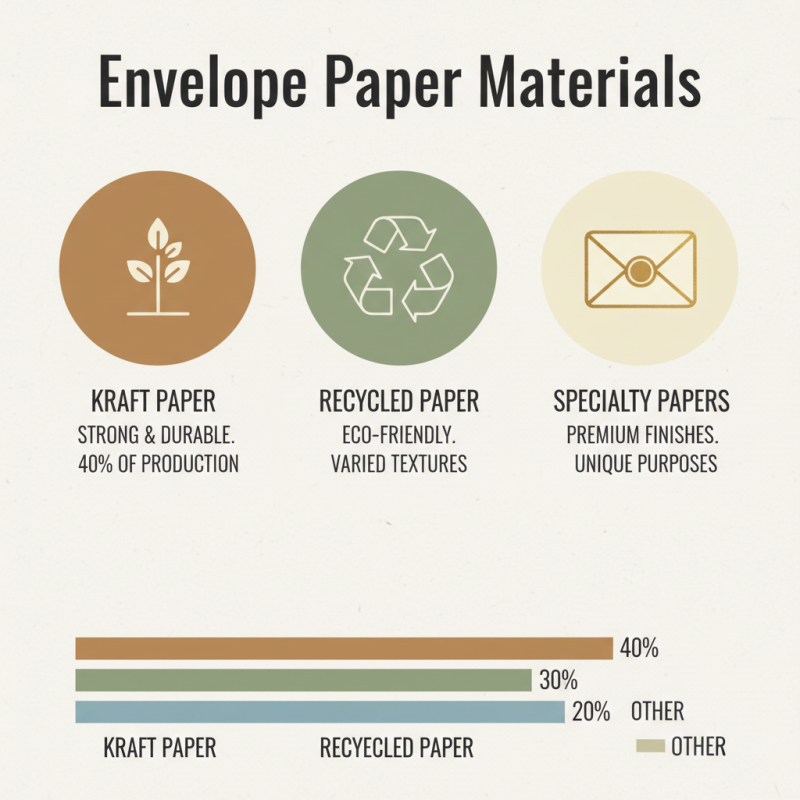
Envelope paper comes in various materials, each serving unique purposes. Common types include kraft paper, recycled paper, and specialty papers. Kraft paper is known for its strength and durability. According to industry reports, it constitutes about 40% of envelope paper production due to its versatility.
Recycled paper is gaining popularity as businesses prioritize sustainability. In 2022, it accounted for approximately 30% of the global envelope market. Many companies now opt for this material, reflecting growing environmental awareness. The texture of recycled envelopes can vary, providing options for different aesthetic needs.
Specialty papers, such as textured or colored options, cater to specific markets. These papers often enhance the visual appeal of envelopes but may limit functionality. It's essential to evaluate whether the visual impact justifies the additional cost. Although these unique materials can stand out, they also raise questions about practicality. Not all specialty papers withstand various mailing conditions. Such considerations underline the importance of choosing the right envelope paper material.
Common Uses of Envelope Paper
Envelope paper is versatile and widely used for various purposes. It is primarily designed for creating envelopes, which are essential for sending letters, documents, and invites. In offices and homes, envelope paper ensures that correspondence remains secure and professional. Many people choose colored or patterned envelope paper to add a personal touch to their mail.
Common uses of envelope paper include everyday letters, invitations, and business documents. For personal correspondence, decorative envelope paper adds a unique flair. Event planners often select special designs for wedding invitations or party announcements. In business settings, plain envelope paper is preferred for formal letters and contracts. It maintains a professional appearance.
Tip: When selecting envelope paper, consider the theme of your correspondence. Match colors or designs to create a cohesive look. This enhances the recipient's experience. Remember, your choice of envelope can reflect your intentions. Don't overlook the importance of quality in envelope paper. Using flimsy paper may lead to torn envelopes and misdelivered mail. Take time to experiment with different styles to find what works best for you.
The Process of Making Envelope Paper
The process of making envelope paper is both intricate and fascinating. It starts with selecting the right pulp, often sourced from recycled paper. This pulp is combined with water and chemicals to create a slurry. The mixture is then spread onto a conveyor belt, where the water drains away, leaving behind a thin sheet of paper. This stage is crucial; the paper must be uniform. Any inconsistencies can lead to problems later on.
Once the sheet is formed, it goes through a pressing process. This step removes excess moisture and increases density. After pressing, the sheets are dried. This usually involves passing the paper through heated rollers. The temperature and pressure must be just right; too much heat can damage the fibers, while not enough can result in insufficient drying.
Finally, the dried sheets are cut to size for envelopes. This is where creativity comes into play. Various colors and textures can be added during the production. Some papers receive coatings for durability and visual appeal. However, the challenge lies in balancing quality with cost. It's easy to get lost in the details and overlook the big picture. Finding that balance requires careful thought and constant adjustments.
Environmental Considerations of Envelope Paper
Envelope paper serves many purposes, but its environmental impact is often overlooked. The production of envelope paper accounts for significant resource consumption. According to the Environmental Paper Network, the paper and pulp industry is responsible for approximately 26% of global industrial water pollution. This statistic highlights the need for sustainable practices in envelope production.
Recycling is one potential solution. The American Forest & Paper Association states that recycling paper reduces greenhouse gas emissions by up to 35%. However, not all envelope papers are recyclable. Many contain adhesives or coatings that complicate the recycling process. A considerable amount of envelope waste ends up in landfills, where it takes time to decompose.
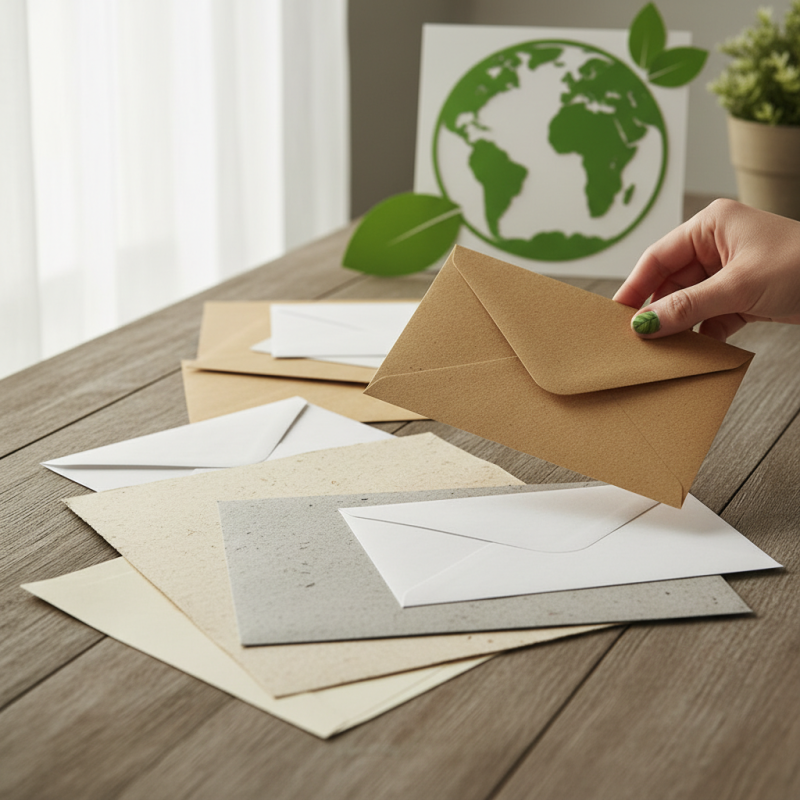
Consumers can help by choosing envelopes made from recycled materials. These options can significantly lower the environmental burden. Despite the benefits of such choices, many still opt for new paper products without considering their impact. The imbalance between convenience and environmental responsibility needs reflection. Making informed decisions about envelope paper can contribute to a healthier planet.
What is Envelope Paper and How is it Used? - Environmental Considerations of Envelope Paper
| Dimension |
Details |
| Material Types |
Recycled Paper, Kraft Paper, Premuim Paper |
| Common Sizes |
#10, A7, C4, DL |
| Printing Methods |
Offset Printing, Digital Printing, Screen Printing |
| Environmental Impact |
Biodegradable, Recyclable, Reduced Carbon Footprint |
| Uses |
Mailing, Invitations, Business Correspondence, Promotions |
| Sustainability Practices |
Using Sourced Sustainable Paper, Eco-Friendly Inks |




 +86-4000-808176
 +8618059761903