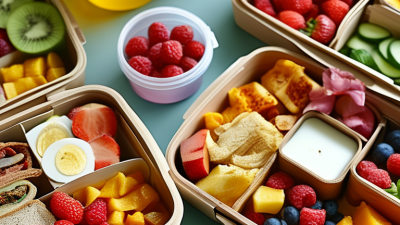
Pulp Lunchbox Tips for Savvy Global Buyers to Save Money
Navigating the world of Pulp Lunchbox purchases can be daunting. Savvy global buyers are always on the lookout for tips to save money. Understanding the potential of Pulp Lunchboxes not only enhances meal prep but also promotes sustainability. These lunchboxes are made from recycled materials, making them an eco-friendly choice.
However, selecting the right Pulp Lunchbox requires careful consideration. Not all options are created equal, and buyers often face overwhelming choices. It's also essential to consider durability and functionality. Quality can vary, and understanding how to find the best products is crucial. Researching user reviews can provide valuable insight into product reliability.
Ultimately, global buyers must balance cost and quality. While seeking bargains is important, ensuring the lunchboxes are practical and safe should not be overlooked. Reflecting on these factors can lead to smarter buying decisions. With the right knowledge, anyone can navigate this market effectively.
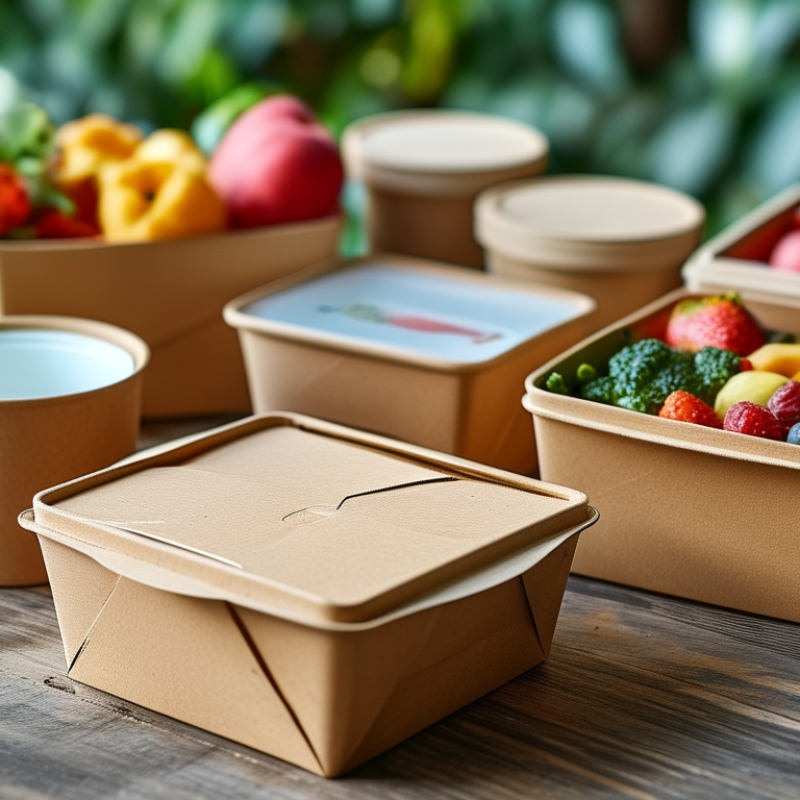
Understanding the Pulp Lunchbox Market for Global Buyers
The pulp lunchbox market is growing and evolving. According to a report by Global Industry Analysts, the market is projected to reach $4.2 billion by 2028. This growth is driven by the rising demand for environmentally friendly packaging. Buyers need to understand the dynamics of this market to make informed decisions.
Material costs fluctuate significantly. Pulp products can vary in price due to factors like sourcing and manufacturing processes. The average cost of pulp has seen an increase of approximately 15% over the last two years. Savvy buyers should keep tabs on these trends. Utilizing forecasting models can lead to better purchasing strategies.
Quality is paramount, yet not easily defined. Buyers must consider durability, design, and safety. It's essential to assess supplier reliability. Gathering data on past performance can be helpful. Sometimes, the cheapest option is not the best. Reflecting on all these factors is vital for sustainable buying practices.
Identifying Key Suppliers and Manufacturers in Pulp Lunchbox Production
In the competitive world of pulp lunchbox production, identifying key suppliers and manufacturers is crucial. Research indicates that the global market for eco-friendly packaging, which includes pulp lunchboxes, is projected to grow by 14.4% annually. This creates opportunities for savvy global buyers. They need to carefully evaluate potential partners based on reliability and capacity. It's essential to obtain samples before making large orders, ensuring quality and suitability for market demands.
Tips for sourcing effectively include leveraging industry reports and trade shows to connect with manufacturers. Build relationships with suppliers who have a proven track record of sustainable practices. Look for certifications or participations in relevant trade associations. Also, consider the geographic location of suppliers. Proximity can reduce shipping costs and time.
It’s important to reflect on the challenges of supplier relationships. Communication issues can lead to misunderstandings, affecting quality and delivery timelines. Diversifying your supplier base can mitigate risks. However, managing multiple suppliers can also introduce complexity. Strategic planning is necessary to maintain clarity and efficiency in the supply chain.
Pulp Lunchbox Tips for Savvy Global Buyers to Save Money
| Supplier Type |
Country |
Production Capacity (Units/Month) |
Minimum Order Quantity |
Average Cost per Unit ($) |
Lead Time (Weeks) |
| OEM Manufacturer |
China |
50000 |
1000 |
2.50 |
4 |
| Wholesale Distributor |
India |
30000 |
500 |
3.00 |
6 |
| Local Artisan |
USA |
10000 |
250 |
5.00 |
8 |
| Eco-Friendly Supplier |
Brazil |
20000 |
1000 |
3.50 |
5 |
| Packaging Supplier |
Vietnam |
40000 |
1500 |
2.20 |
3 |
Strategies for Negotiating Cost-Effective Deals on Pulp Lunchboxes
Negotiating cost-effective deals on pulp lunchboxes requires skill and strategy. Start by researching market prices. Knowing the average cost will give you leverage in discussions. Look for suppliers in various regions. Different markets often have diverse pricing structures. This can lead to significant savings.
When you engage with suppliers, don't be afraid to ask questions. Understanding their production costs can reveal areas for negotiation. Be prepared to walk away if the terms don't work for you. Sometimes, letting go can lead to better offers later.
Here are some tips:
- Build relationships. Trust can lead to more favorable terms.
- Consider bulk purchases for discounts. Less frequent orders can save you money.
- Stay informed about trends in the lunchbox market. This knowledge can help you spot opportunities for savings.
Remember, every negotiation isn't perfect. It's an ongoing learning process. Reflect on past deals to improve your future strategies. Keep adapting and fine-tuning your approach. Your efforts will lead to better outcomes over time.
Evaluating Quality Standards and Certifications for Pulp Lunchboxes
Evaluating quality standards in pulp lunchboxes is vital for global buyers. Many customers focus solely on price, risking a lack of understanding about materials. Reports indicate that over 40% of consumers do not check certifications before purchasing. This oversight can lead to poor quality and safety concerns.
Quality certifications like FDA and ISO are essential for ensuring safety and sustainability. For example, lunchboxes made from sustainable pulp must meet strict guidelines. These standards help prevent the use of harmful chemicals. Research shows that compliance can enhance product longevity by up to 30%. However, many suppliers lack transparency about their certifications.
Buyers should scrutinize product details. Reliable suppliers often provide documentation for quality assurance. Yet, 25% of buyers feel overwhelmed by too much information. It’s essential to balance thorough research with practicality. Trustworthy certifications add value but may require time to verify. Investing this effort can lead to informed purchasing decisions and ultimately save money.
Tips for Shipping and Logistics to Minimize Pulp Lunchbox Costs
When it comes to shipping and logistics, understanding your options can lead to significant savings. Many global buyers overlook the importance of choosing the right packaging. Selecting durable yet lightweight materials for pulp lunchboxes can reduce shipping costs. These choices help minimize dimensional weight charges, which can add up quickly.
In addition to packaging, consider your shipping routes carefully. Using local suppliers can cut shipping times and costs. Moreover, consolidating shipments helps reduce frequency and ensures you’re not paying for unnecessary trips. Technology plays a role too. Utilize tracking software to monitor your shipments. This can help you identify and address delays before they escalate.
Mistakes are part of the process. Overestimating demand can lead to excess inventory, impacting your finances. Learning from these missteps is crucial. Analyzing past shipments provides valuable insights. It allows you to refine your logistics strategies over time. Continually assess your practices, and don't hesitate to make adjustments based on data.




 +86-4000-808176
 +8618059761903