What is Rolling Paper and How to Choose the Best Type?
Rolling paper is a crucial element for many smokers and users of herbs. Choosing the right rolling paper can significantly enhance your experience. It comes in various materials, sizes, and flavors, making the selection process unique for each individual.
The type of rolling paper you choose affects burn rate, taste, and overall usability. Common materials include hemp, rice, and wood pulp. Each has its own attributes and appeal. For instance, hemp paper is known for its durability and eco-friendliness. On the other hand, rice paper offers a smoother burn. Less popular types, like flax, might require some thought before deciding.
Understanding what you want in rolling paper is essential. It involves personal preference and a bit of trial and error. Explore different brands and types to find your ideal fit. Embrace the learning journey, as the wide range of options can be both overwhelming and exciting. The right choice can make your experience more enjoyable and satisfying.
What is Rolling Paper: An Overview of Its Composition and Types
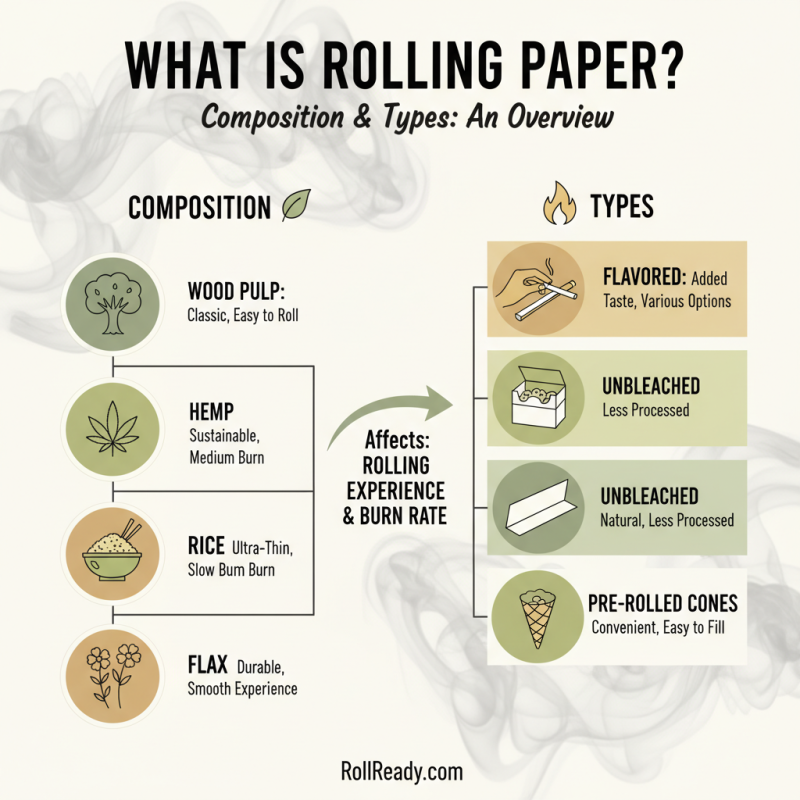
Rolling paper is a thin paper designed for rolling various products. It comes in a variety of materials and types, making choices overwhelming. The most common materials include wood pulp, hemp, rice, and even flax. Each type affects the rolling experience and ultimately the burn rate.
Wood pulp papers are widely regarded for their availability and ease of use. They burn evenly but can produce a distinct flavor. Hemp papers, on the other hand, offer a more natural option. These papers are often thicker, providing a slower burn. Rice papers are ultra-thin and burn slowly, offering a nearly tasteless experience.
When selecting rolling paper, consider the thickness, material, and burn rate. Some users prefer thicker papers as they are easier to handle. Others seek ultra-thin options for a cleaner taste. Keep in mind that your choice can alter the overall experience. Each type serves different preferences and rolling techniques, making experimentation valuable. The right choice enhances enjoyment, while the wrong one can lead to frustration.
Different Types of Rolling Papers Available on the Market
Rolling papers come in various types, each offering unique features and benefits. Understanding these options can enhance your experience. There are hemp, rice, and wood pulp papers, and each material provides different burning rates and flavors. Hemp papers are natural and offer a slow burn, ideal for extended sessions. Rice papers are ultra-thin, making them perfect for light rolls, while wood pulp papers provide a more robust experience.
Choosing the right type is important. Consider your smoking habits. If you prefer a long-lasting burn, opt for hemp. If you're new, start with rice papers. They are easier to handle and provide a clean taste. For an extra kick, try flavored options, but remember that they can alter the experience.
Tip: Always check the thickness. Thin papers lead to faster burns, while thicker ones offer a more enduring smoke. Experimenting with different types helps refine your preferences. Also, try to roll with varying moisture levels; this can significantly impact the burn consistency and flavor. Don’t hesitate to revisit your choices. The right paper can elevate the entire experience.
Factors to Consider When Choosing Rolling Paper
Choosing the right rolling paper involves several important factors. The material of rolling paper affects how it burns and tastes. Common materials include rice, hemp, and wood pulp. Hemp papers are known for their durability and slow burn. Rice papers are thin and provide a clean taste. Each material offers a unique smoking experience.
The size of the rolling paper also matters. Standard sizes range from single wide to king size. A larger paper allows for more content but may require skill to roll. Consider your own comfort level and preference when selecting size. Thickness can impact burn rate and flavor. Thinner papers tend to burn slower but can be fragile.
Another factor is the adhesive used on the paper. Natural gum is commonly preferred for its reliability. A strong adhesive ensures the roll holds together while maintaining a smooth smoking experience. Lastly, consider any additional elements, like flavoring or additives. Some rolling papers come with coatings that can enhance or alter flavor, but these can be a hit or miss. Experiment with different types to find what works for you.
How to Test the Quality of Rolling Paper
Choosing the right rolling paper involves more than just aesthetics. Quality plays a pivotal role in the overall experience. To assess rolling paper quality, experts recommend a few key methods. One effective way to test is the burn test. Light a small piece and observe how it burns. High-quality papers tend to burn evenly and slowly. Look for an ash color that is light gray. Darker ash often indicates additives or low-quality materials.
Another method involves the taste test. Quality rolling paper should impart minimal flavor when used. Inferior papers may have a chemical taste that detracts from the overall experience. To evaluate this, try rolling a small sample and see how it affects flavor. According to a report from the Cannabis Consumer Coalition, 67% of users prioritize taste when selecting rolling papers. This highlights the importance of quality in enhancing enjoyment.
Additionally, examine the thickness and texture of the rolling paper. Thinner papers often provide a smoother experience but can be more delicate. In contrast, thicker papers are sturdier but may alter the experience slightly. A survey by Rolling Paper Insider found that 58% favored papers between 70-90 grams per square meter for their ideal balance. Understanding these characteristics helps in making a more informed decision about which rolling paper to use.
What is Rolling Paper and How to Choose the Best Type? - How to Test the Quality of Rolling Paper
| Type of Rolling Paper |
Materials |
Thickness (mm) |
Burn Rate |
Taste |
Best Use |
| Rice Paper |
Rice fibers |
0.3 |
Slow |
Neutral |
General use |
| Hemp Paper |
Hemp fibers |
0.5 |
Medium |
Earthy flavor |
Eco-friendly options |
| Wood Pulp Paper |
Wood pulp |
0.6 |
Fast |
Slightly chemical |
Quick sessions |
| Flax Paper |
Flax fibers |
0.4 |
Medium |
Natural |
Smooth burns |
| Corn Husk Paper |
Corn husks |
0.3 |
Slow |
Sweet |
Flavorful experience |
Tips for Rolling with Different Types of Rolling Paper
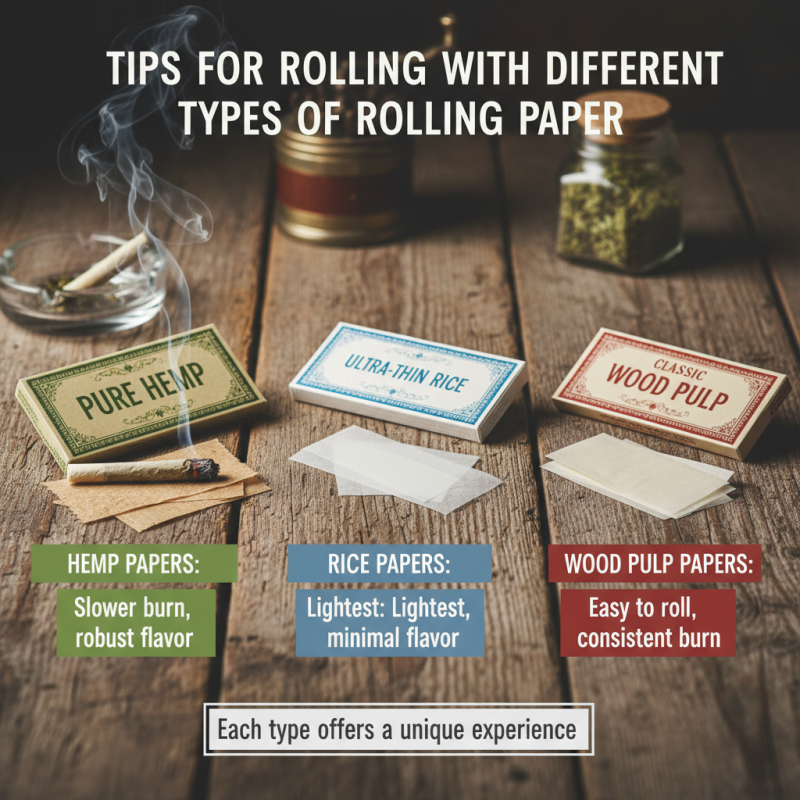
Rolling paper is essential for those who enjoy rolling their own. Understanding the variations in type can enhance your experience. The market offers various papers, such as hemp, rice, and wood pulp. Each type has distinct qualities. For example, hemp papers burn slower, providing a longer smoking experience. Alternatively, rice papers are known for their lightness and minimal flavor.
When choosing the right paper, consider your rolling skills. Beginners might find thicker papers easier to handle. Thinner papers can be challenging but offer a smoother taste. A study from Industry Research shows that nearly 40% of users prefer thin rolling papers for their lighter feel. This can lead to improved airflow and a better smoking experience.
Rolling technique plays a significant role in the outcome. Ensure an even distribution of the material. If too much is packed, it can become difficult to draw. During the rolling process, take your time. Rushing can lead to unsuccessful rolls. Experimenting with various types of paper and techniques can help you find what works best for you. Remember, practice makes perfect.




 +86-4000-808176
 +8618059761903