Top Paper Cups for Your Business Needs How to Choose?
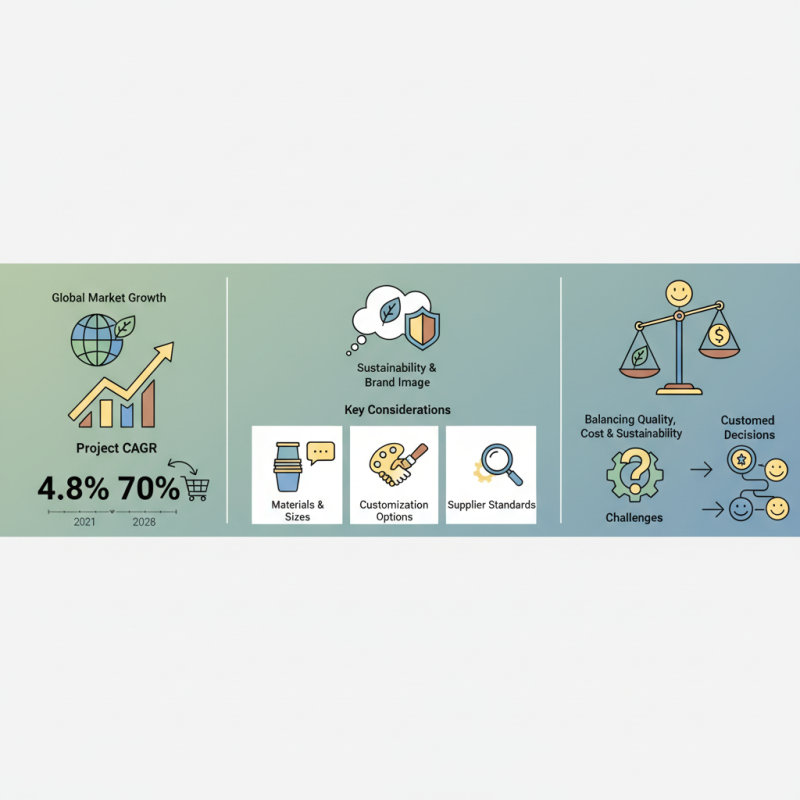
When choosing the right Paper Cups for your business, it is crucial to consider both quality and functionality. Recent industry reports indicate that the global paper cup market is projected to grow at a compound annual growth rate (CAGR) of 4.8% from 2021 to 2028. This growth reflects an increasing demand for eco-friendly alternatives to plastic.
Expert and industry analyst Dr. Jane Foster emphasizes, “Investing in high-quality Paper Cups can enhance your brand's sustainability image.” Her insights underline the importance of selecting cups that align with both your operational needs and environmental goals. Additionally, various market studies reveal that 70% of consumers are more likely to choose brands that use sustainable packaging.
While many businesses might think all Paper Cups are the same, there are significant differences. It’s essential to evaluate materials, sizes, and customization options. Not all suppliers meet the same standards. Investing time in research can lead to better decisions, ultimately impacting customer satisfaction and loyalty. Balancing quality, cost, and sustainability presents a challenge for many businesses. Being aware of these factors will help tackle potential oversights in the selection process.
Understanding the Importance of Quality Paper Cups for Businesses
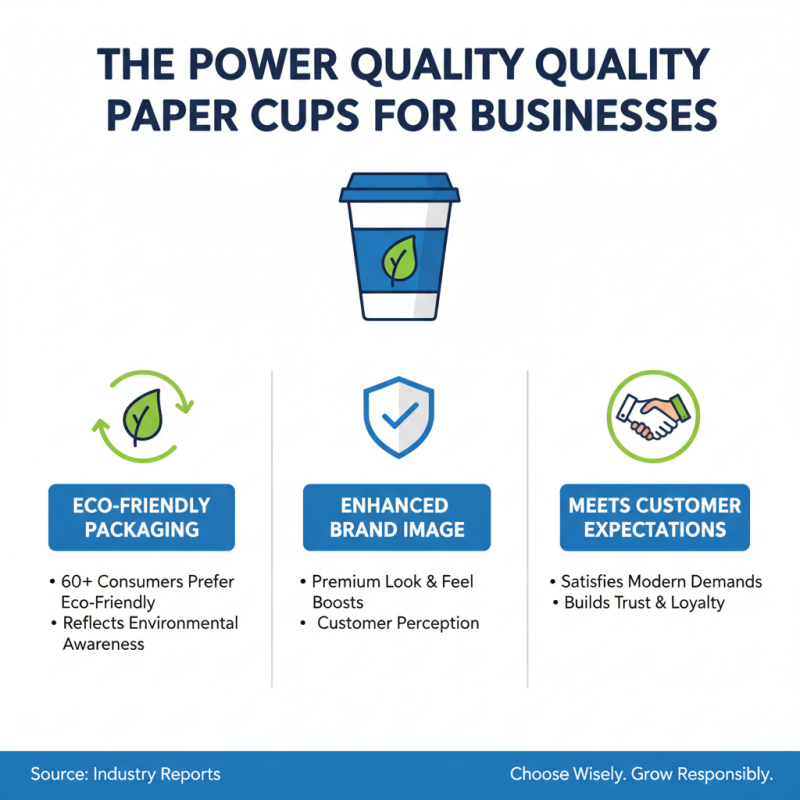
Quality paper cups play a vital role in modern business operations. According to industry reports, over 60% of consumers prefer eco-friendly packaging. This trend reflects a growing awareness of environmental impact. Businesses must consider this shift when selecting paper cup suppliers. High-quality cups not only enhance brand image but also meet customer expectations.
Durability is another key factor. Low-quality cups can lead to spills and leaks, diminishing customer experience. Research shows that businesses lose about 30% of customers due to poor product quality. This statistic highlights the importance of investing in reliable paper cups. Additionally, attention to design and functionality can make a noticeable difference in customer engagement.
Customization offers another layer of importance. A 2022 survey found that 70% of consumers respond positively to branded packaging. This creates brand recognition and can drive customer loyalty. However, it is crucial to balance customization with sustainability. As the pressure for eco-friendly practices increases, businesses must be mindful of their choices. Thoughtful decision-making in cup selection can enhance business reputation and customer satisfaction.
Types of Paper Cups: Choosing the Right Style for Your Needs
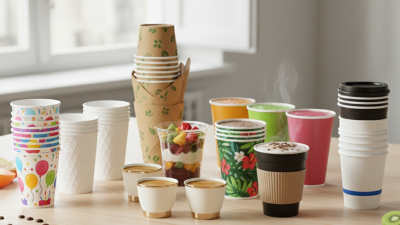
When selecting paper cups for your business, understanding the various types available is crucial. Each style serves different purposes. For hot beverages, double-walled cups provide insulation. They keep drinks warm and protect hands from heat. For cold beverages, look for cups with a waxed finish. This keeps the drink chilled while preventing leaks.
Consider the cup's size as well. Smaller cups may work for espresso shots, while larger ones are better for smoothies. Personalized designs can enhance your brand identity. However, it's essential to balance aesthetics with functionality. A stylish cup that leaks can harm your reputation.
Reflecting on environmental impact is also important. Biodegradable options are increasingly popular. However, they can sometimes be pricier. Businesses must weigh the cost against benefits. The right choice will not only satisfy customers but also align with your company's values. It might take time to find the perfect fit, but investing in quality paper cups shows commitment to customer experience.
Factors to Consider When Selecting Paper Cups for Your Business
Choosing the right paper cups for your business requires careful consideration of multiple factors. Material quality is essential. According to industry reports, high-quality paper cups typically use 100% recyclable materials. This aligns with sustainability trends. A significant 70% of consumers prefer eco-friendly options.
Size matters too. Offering various sizes can attract a broader customer base. Research shows that 65% of customers appreciate choices in sizes. Additionally, the cup's insulation is vital for maintaining beverage temperatures. A well-insulated cup can keep coffee hot and beverages cold.
Design and branding also influence customer perceptions. A stylish cup can enhance your brand image. However, it's crucial to balance aesthetics with functionality. Some businesses find that focusing too much on design can compromise quality. In a competitive market, finding that balance is key. Each element impacts the consumer experience and overall satisfaction.
Top Paper Cups for Your Business Needs
| Cup Size (oz) |
Material Type |
Eco-Friendly |
Insulation Type |
Price (per unit) |
| 8 |
PE Coated Paper |
No |
Single Wall |
$0.05 |
| 12 |
PLA Coated Paper |
Yes |
Single Wall |
$0.07 |
| 16 |
Recycled Paper |
Yes |
Double Wall |
$0.10 |
| 20 |
Sustainable Paper |
Yes |
Double Wall |
$0.12 |
Eco-Friendly Options: Sustainable Choices in Paper Cups
Eco-friendly paper cups are becoming essential for businesses. They offer a sustainable option without sacrificing quality. In a world where the impact on our environment is crucial, choosing the right materials matters. Many consumers appreciate brands that prioritize sustainability.
When selecting paper cups, consider their material. Look for cups made from recycled or renewable resources. These options reduce waste and lower your carbon footprint. Additionally, check if the cups are compostable or biodegradable. Opting for these features can enhance your brand's image.
Tips: Always ask your supplier about certifications. This ensures the products meet eco-friendly standards. Engage your customers by clearly communicating your commitment. Create signage that highlights your sustainable choices. This can encourage customers to support your efforts. Remember, transparency builds trust.
Top Paper Cups for Your Business Needs
Budgeting for Paper Cups: Cost-Effective Solutions for Your Business
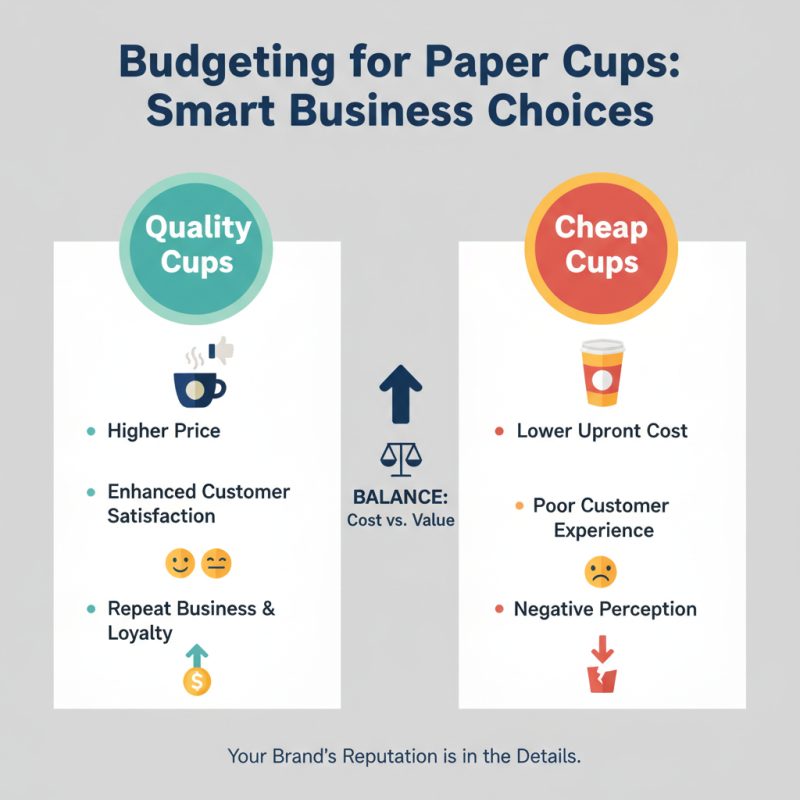
When selecting paper cups for your business, budgeting is crucial. You must balance quality and cost. High-quality cups often come at a higher price, but they can enhance customer satisfaction. This satisfaction can lead to repeat business. Cheap options might save money upfront, but could lead to a poor experience. Customers notice inferior products.
Consider different quantities when ordering. Bulk purchases can lower the per-cup cost. However, storing large quantities may not be practical for every business. Reflect on your average sales and how quickly you’ll use the cups. Taking time to analyze your needs can prevent waste and save money.
Look into eco-friendly options as well. They might be more expensive initially but can attract environmentally conscious customers. This could justify the extra cost over time. Also, be aware that prices may fluctuate. Regularly reviewing suppliers can reveal better deals or new products. Finding cost-effective solutions requires ongoing attention and adjustment.



 +86-4000-808176
 +8618059761903