Top 10 Benefits of Using Disposable Bagasse Bowls for Your Business?
In recent years, the food industry has undergone significant transformations, driven by consumer demand for sustainable products. According to a report by the Organic Trade Association, over 50% of consumers now prioritize eco-friendly packaging options. This trend makes Disposable Bagasse Bowls a compelling choice for businesses seeking to improve their environmental footprint. Made from bagasse, a byproduct of sugarcane, these bowls are compostable and reduce reliance on plastic.
Furthermore, industry data from the National Restaurant Association highlights that 62% of consumers are more likely to patronize businesses that use sustainable packaging. Disposable Bagasse Bowls not only meet this demand but also enhance the dining experience. Their sturdy design keeps food secure during transport. However, businesses need to assess their usage patterns; the initial costs may stir concerns about budget overruns. Understanding the balance between sustainability and economic viability is crucial.
While Disposable Bagasse Bowls present unique advantages, challenges exist. Not every location may have adequate composting facilities, which can lead to waste management issues. Businesses must seek solutions or partnerships to ensure proper disposal. Overall, adopting Disposable Bagasse Bowls represents a significant step toward sustainability, aligned with consumer expectations and environmental responsibility. The journey of integrating these bowls requires careful thought, but the benefits are noteworthy.
Benefits of Cost-Effectiveness in Disposable Bagasse Bowls
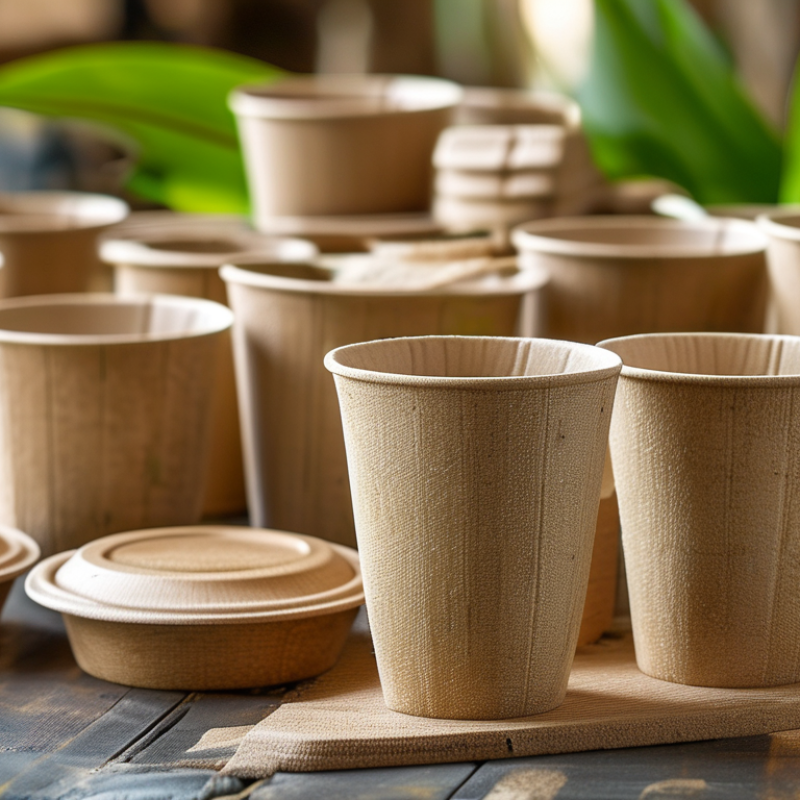
Using disposable bagasse bowls can significantly boost your business's cost-effectiveness. These bowls, made from sugarcane byproducts, are affordable and eco-friendly. They reduce waste and cut down on recycling costs, which is vital for your bottom line. Many businesses find switching to bagasse bowls can lower their supply expenses.
In addition to being cost-effective, bagasse bowls offer durability. They hold liquids well and can withstand heat. This means less spillage and fewer customer complaints. You might wonder if quality suffers. Surprisingly, these bowls often outperform traditional plastic. While not everyone may be aware, sustainability can also attract more customers. People prefer businesses that care for the environment.
However, it's essential to consider the initial investment. The upfront cost could be higher than plastic options. Some businesses hesitate to make the switch. But over time, savings on waste management and customer satisfaction can pay off. The price might increase, yet the long-term benefits outweigh the initial hesitation.
Environmental Sustainability and Reduced Carbon Footprint
The shift toward environmental sustainability is increasingly evident in various industries. Disposable bagasse bowls present significant advantages in reducing a business's carbon footprint. According to a report by the European Commission, using bagasse—made from sugarcane fibers—can cut greenhouse gas emissions by up to 60% compared to traditional plastic packaging. This statistic highlights the potential for meaningful environmental impact.
Bagasse bowls are compostable and biodegradable. They can decompose within 90 days in commercial composting facilities. This feature alleviates pressure on landfills, which are often overwhelmed by plastic waste. Even though some businesses may hesitate to switch due to cost, the long-term benefits often outweigh initial investments. Reliable studies indicate that eco-friendly packaging can enhance a brand's reputation, attracting customers who prioritize sustainability.
Transitioning to bagasse also fosters an awareness of environmental impact. Businesses can educate consumers about the importance of choosing sustainable products. While there are challenges and potential setbacks in implementation, the commitment to reducing single-use plastics resonates widely. Ultimately, embracing bagasse bowls not only serves ecological goals but encourages a shift in consumer behavior toward more responsible choices.
Versatility for Various Food Types and Serving Sizes
When it comes to food service, versatility is key.
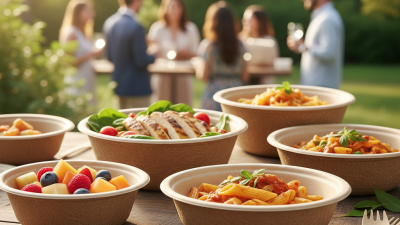
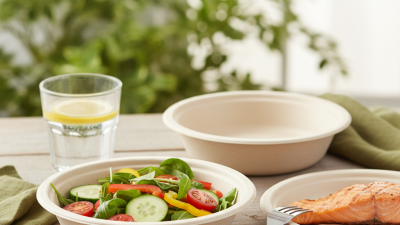
Disposable bagasse bowls offer a unique solution for various food types and serving sizes. Their design accommodates both small appetizers and hearty entrees. Whether it’s a fresh salad, creamy pasta, or warming soups, these bowls handle it all. The natural texture of bagasse adds an appealing touch, elevating the dining experience.
Using bagasse bowls also presents a thoughtful option for eco-conscious customers. Made from sugarcane fibers, these bowls are not only biodegradable but also sturdy. This means they can hold liquids without leaking, making them ideal for companies serving takeout or delivery meals. However, businesses need to consider the limitations as well. They do break under high pressure compared to plastic. Understanding these nuances is essential for successful usage.
Another highlight is their ability to suit various events. From casual picnics to formal gatherings, they adapt well. Guests appreciate the sustainable choice, which aligns with modern dining trends. This versatility helps businesses cater to diverse customer preferences, fostering loyalty. Yet, consistent quality control is crucial. Bagasse bowls must be sourced from reputable suppliers to ensure reliability. Balancing these aspects can significantly impact overall customer satisfaction.
Enhancements in Convenience for Food Service Operations
Disposable bagasse bowls offer significant enhancements in convenience for food service operations. These eco-friendly containers are made from sugarcane pulp, making them a sustainable choice. They are lightweight and easy to handle, allowing staff to serve customers efficiently during busy hours. With their sturdy design, these bowls can hold hot and cold foods without leaking.
Using bagasse bowls minimizes cleanup time. After service, staff can simply dispose of them, reducing the workload associated with washing dishes. This is particularly beneficial during high-volume events or fast-casual dining scenarios. Customers appreciate the clean and organized presentation of their meals in these bowls. However, it is essential to ensure they are disposed of properly to uphold sustainability promises.
While bagasse bowls provide reliable service, they may not be suitable for all types of food. Certain dishes may require sturdier dishes to avoid breakage or spillage. It is crucial for businesses to assess their menu items and choose the right packaging. A balance between convenience and food integrity is key to achieving efficiency in food service.
Positive Customer Perception and Brand Image Boost
Using disposable bagasse bowls can significantly enhance your brand image and customer perception. A recent survey indicated that 74% of consumers prefer eco-friendly packaging. This prioritization aligns well with changing consumer values, making sustainable choices more important than ever. Businesses that adopt such practices can better attract eco-conscious customers.
The use of bagasse bowls also reflects positively on brand reputation. According to industry research, companies showcasing sustainable products often see a 20% increase in customer loyalty. Customers feel a sense of pride in choosing businesses that prioritize environmental responsibility. This creates a positive loop: happy customers tend to promote brands voluntarily.
However, there are challenges to consider. Not all bagasse products are created equal. Some may not meet quality expectations, leading to customer dissatisfaction. Monitoring supply chains for quality is essential. Inconsistent experiences can tarnish a brand's image despite good intentions. Businesses should reflect on these aspects to ensure a strong connection with their audience.
Top 10 Benefits of Using Disposable Bagasse Bowls for Your Business




 +86-4000-808176
 +8618059761903