How to Choose the Best Disposable Bagasse Bowl for Your Events?
As sustainability becomes crucial in event planning, the choice of Disposable Bagasse Bowl stands out. According to a report by EcoPack Research, the demand for biodegradable food containers has surged by 45% in the past three years. This trend reflects growing consumer awareness and the shift towards greener alternatives. An industry expert, Dr. Emily Carter, notes, "Choosing the right disposable material can significantly influence both the environment and guest experience."
The Disposable Bagasse Bowl is made from sugarcane pulp, making it both eco-friendly and sturdy. Recent data indicates that these bowls decompose within 90 days, compared to traditional plastics that take centuries. Event planners must focus on quality and functionality to enhance their events. However, not all options are created equal. Some bowls may lack durability or leak-proof capabilities.
An effective selection process requires understanding product specifications and supplier reliability. Are the bowls truly compostable? Will they hold up with different food types? Asking such questions will improve event outcomes. Industry insights suggest that thoughtful choices increase customer satisfaction and promote a responsible image. Ensure that your Disposable Bagasse Bowl stands up to both aesthetic and practical demands.
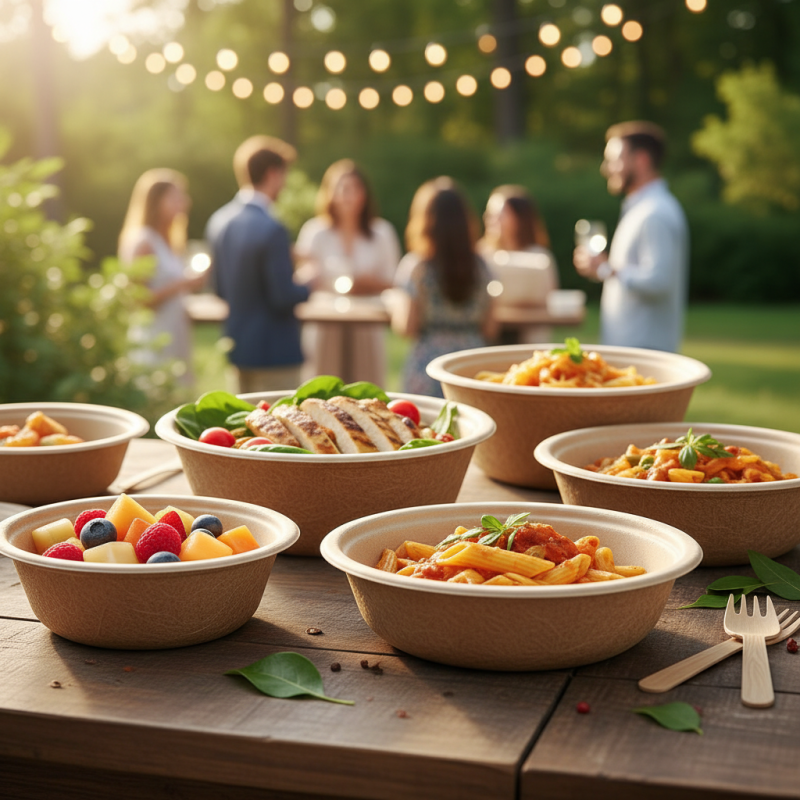
Understanding Bagasse Bowls: Benefits and Sustainability
Bagasse bowls are an eco-friendly choice for events. Made from sugarcane pulp, they decompose naturally. Studies show that bagasse products can break down within 30 to 90 days in composting environments. This makes them more sustainable than many plastic alternatives, which can take centuries to decompose.
Using bagasse bowls can reduce waste significantly. According to the Environmental Protection Agency, about 27 million tons of plastic waste ended up in landfills in 2018. Selecting biodegradable options like bagasse can help decrease this figure. They are also microwave and freezer-safe, adding versatility for various food services. However, they may not hold up as well under very hot or wet foods compared to more robust materials.
One challenge is that not all bagasse bowls are created equal. Some may not meet strict certifications for compostability. Buyers should look for reputable suppliers who provide transparency about their product’s sustainability claims. Testing the limits of these bowls in different settings can reveal their strengths and weaknesses. This approach ensures that your choice aligns with your environmental goals while meeting the demands of your event.
Comparison of Disposable Bowl Materials
This chart compares the environmental impact scores of various types of disposable bowls. A lower score indicates a more sustainable option. Bagasse bowls have a score of 2, making them a more eco-friendly choice compared to plastic (8) and foam (7), while paper bowls score a 5.
Factors to Consider When Selecting Disposable Bagasse Bowls
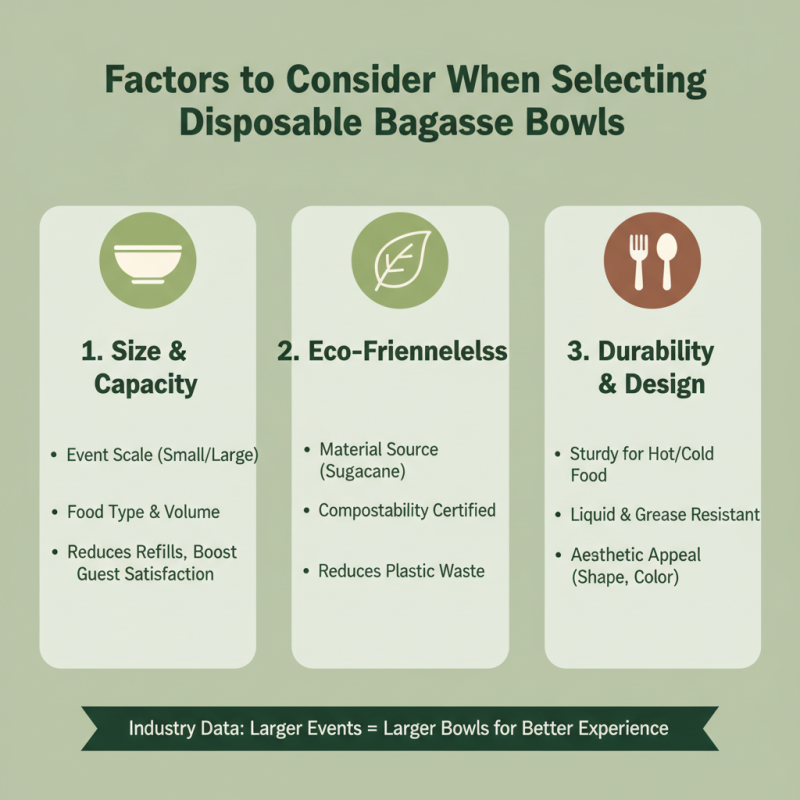
Choosing the right disposable bagasse bowl for your event requires careful consideration of several key factors. One vital aspect is the bowl's size and capacity. Events vary in scale, and ensuring that your bowls can hold the appropriate amount of food is crucial. Industry data shows that larger events often benefit from larger bowls, reducing the need for refills and enhancing guest satisfaction.
Another important factor is the bowl's durability. Bagasse is known for its strength compared to other disposable materials. It can handle hot, cold, and moist foods effectively. According to a 2022 industry report, 73% of event organizers prefer durable options to minimize spills and messes. This durability can enhance the overall dining experience for your guests.
Tip: Always consider the environmental impact. Bagasse bowls are biodegradable, making them a preferable choice for eco-conscious events.
Lastly, cost considerations cannot be overlooked. Balance the price with quality. While cheaper options may seem appealing, they might compromise on performance. Research indicates that spending slightly more for a reliable product can save money in the long run due to fewer replacements needed during your event.
Tip: Ask for samples before making a bulk purchase. This helps you gauge quality and suitability firsthand.
Comparing Sizes and Designs for Different Event Types
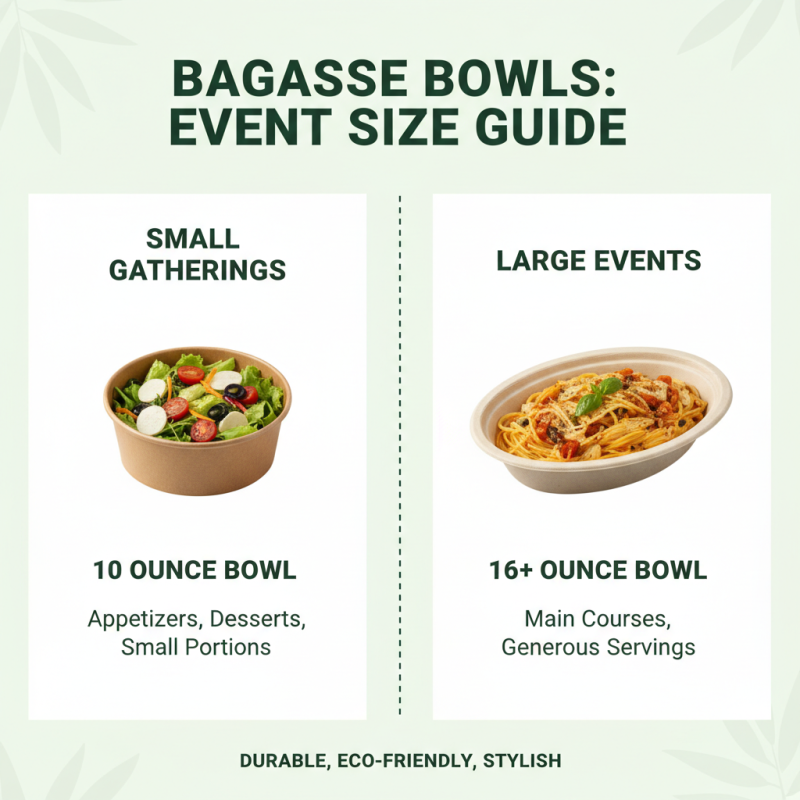
Choosing the right disposable bagasse bowl for your event involves careful consideration of size and design. These bowls come in various dimensions to accommodate different portions. For small gatherings, a 10-ounce bowl might suffice. However, larger events may require bowls of 16 ounces or more to handle generous servings.
Events like picnics or outdoor barbecues benefit from bowls with deeper designs. These bowls can hold soups or sauces without spilling. In contrast, more elegant events, such as weddings, might call for stylish, shallow bowls. The aesthetic of the bowl can elevate the dining experience. When selecting a design, consider whether your event has a casual or formal theme.
It’s crucial to think beyond the basics. Not all guests will enjoy the same foods. A bowl that works for pasta may not suit salads. Test different designs with actual menu items. This experimentation can highlight potential issues, such as stability or portion sizes. Understanding these nuances ensures the right choice for your specific needs, enhancing guest satisfaction.
Evaluating Quality and Durability of Bagasse Bowls
When selecting disposable bagasse bowls for events, quality and durability are paramount. Bagasse, a byproduct of sugarcane processing, serves as an eco-friendly alternative to plastic. These bowls exhibit impressive heat resistance, often withstanding temperatures up to 200°F without deforming. However, the manufacturing process greatly influences their durability. Ensure the bowls are sourced from reputable suppliers who prioritize sustainable practices and rigorous quality control.
Consider the thickness of the bowl. Thicker bowls provide better strength and resistance to leaks. Industry reports indicate that bowls with a weight of around 300gsm tend to perform better under heavy use. Additionally, watch out for the bowl's design. Well-constructed bowls with reinforced edges can handle a variety of foods, from soups to salads.
Tips: Check for certifications that indicate a product's adherence to environmental standards. Look for user reviews to gauge real-world performance. It's essential to be aware that some bagasse bowls may degrade faster than expected in particular conditions, so testing in your event settings is crucial. Always keep an eye on the latest trends in eco-friendly disposables, as innovation in materials can enhance your choices.
Eco-Friendly Practices for Using Disposable Tableware
When considering eco-friendly practices for using disposable tableware, bagasse bowls offer a sustainable alternative. Made from sugarcane waste, these bowls are biodegradable and compostable. Opting for bagasse not only reduces plastic waste but also supports eco-conscious suppliers.
Using disposable tableware can lead to a lot of waste if not managed properly. It’s important to educate guests about disposal methods. Labeling trash and recycling bins can help. Additionally, consider minimizing single-use items. Evaluate the event’s needs closely. Do you really need bowls for everything?
Adopting responsible sourcing practices can also make a difference. Research suppliers who prioritize sustainability. Verify their certifications to ensure they meet eco-friendly standards. Remember, using these products should be part of a larger strategy for waste reduction. Think carefully about the choices you make for your event.
How to Choose the Best Disposable Bagasse Bowl for Your Events?
| Feature |
Description |
Considerations |
| Material Quality |
Made from natural sugarcane fiber, biodegradable and compostable. |
Ensure that the bowls are labeled as compostable for eco-friendliness. |
| Size Options |
Available in various sizes (e.g., 8 oz, 12 oz, 16 oz) to accommodate different dishes. |
Choose sizes based on the types of food you'll serve to minimize waste. |
| Heat Resistance |
Suitable for both hot and cold foods up to a certain temperature (usually around 200°F). |
Check the specifications to ensure they meet your event's catering needs. |
| Design |
Usually available in simple, elegant designs which are suitable for all occasions. |
Select designs that complement your event's theme and decor. |
| Cost |
Typically more affordable than traditional tableware but prices can vary based on bulk orders. |
Consider bulk purchasing for large events to reduce overall costs. |
| Environmental Impact |
Biodegradable product minimizes litter and is better for the planet. |
Promote recycling and composting options at your event to maximize benefits. |




 +86-4000-808176
 +8618059761903