2026 Best Envelope Paper Options for All Your Mailing Needs?
In today's fast-paced world, choosing the right envelope paper is essential for effective communication. Envelope paper not only serves a functional purpose but also reflects your brand's image. With countless options available, understanding which types best suit various mailing needs is crucial.
Each type of envelope paper offers unique qualities and aesthetics. For example, recycled options promote sustainability, while linen texture provides a premium feel. Knowing the right paper weight is important too; heavy paper feels more substantial but can increase postage costs.
As we approach 2026, new trends in envelope paper are emerging. They include eco-friendly materials and innovative designs. However, navigating these choices can be overwhelming. It's essential to explore personal needs and consider factors like durability and printing compatibility. Each decision impacts how your message is perceived. Selecting envelope paper thoughtfully can elevate your correspondence and establish a lasting impression.
2026 Envelope Paper Types: A Comprehensive Overview of Options
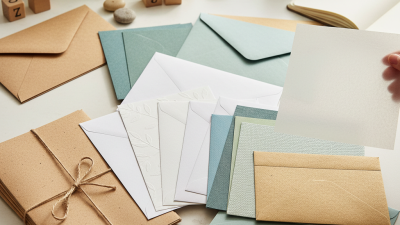
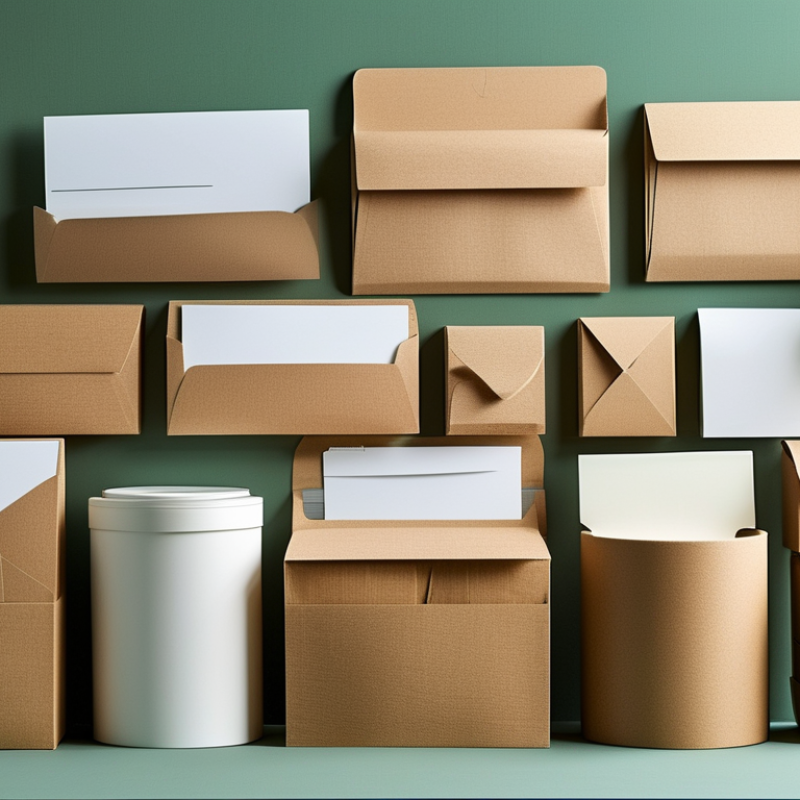
When choosing envelope paper, various types are available for different mailing needs. Consider the weight and texture of the paper. Heavier weights provide durability. Textured envelopes can add a touch of elegance to your correspondence. Look for options that complement the contents inside.
Recycled paper is a popular choice, appealing to eco-conscious users. It’s sustainable and often available in various colors. However, quality might differ. Some recycled options can feel less sturdy. Always test the paper to ensure it meets your expectations.
Consider specialized envelopes, too. Window envelopes allow for easy addressing, saving time. Security envelopes offer privacy, enhancing confidentiality. However, with creativity, any envelope can stand out. Using innovative designs or colors can make your mail memorable and engaging.
Key Characteristics of High-Quality Envelope Paper for Mailings
When choosing envelope paper for your mailings, quality matters. High-quality envelope paper combines thickness and weight. This ensures protection for your contents. Consider paper weight measured in grams per square meter (GSM). A heavier weight often guarantees better durability during transit. Opt for a weight of at least 90 GSM for standard mailings.
Texture is another essential characteristic to consider. Smooth finishes provide a professional appearance. However, textured papers can add a unique touch, making your envelopes stand out. Think about your brand image. A glossy finish may suit promotional materials. In contrast, a matte finish often conveys sophistication.
The choice of paper color also plays a role. White and cream are classic options. Yet, pastel shades may evoke warmth and friendliness. Choosing the correct color can enhance the overall message. Paper sourcing is important, too. Recycled options can reflect a commitment to sustainability. Unfortuantely, not all recycled papers have the same quality. Ensure that any recycled paper you consider still meets your mailing needs.
Comparative Analysis: Weight, Texture, and Environmental Impact
When selecting envelope paper, weight matters significantly. A heavier paper offers durability and a professional look. It can withstand the rigors of mailing. Standard weights range from 20 lb to 100 lb, affecting both feel and presentation. Heavier papers provide better protection for contents but may incur higher postage costs.
Texture adds another layer of complexity. Smooth textures are often preferred for formal communications. They allow for clean printing and a polished appearance. In contrast, textured papers lend a unique character. However, they may not suit all contexts. Choosing the right texture requires careful consideration of the intended message. Each selection reflects your brand or personal style.
Environmental impact is increasingly crucial. Many consumers evaluate sustainability when making paper choices. Opting for recycled options reduces waste and conserves resources. Certifications can guide your selections, ensuring responsible sourcing. However, finding a balance between quality and eco-friendliness can be challenging. Reflect on your values while navigating these options. Each choice you make has implications beyond aesthetics.
Industry Standards: How to Choose the Right Envelope Paper
When selecting envelope paper, understanding industry standards is crucial. It influences the presentation and protection of your mail. The right choice ensures that your documents arrive in pristine condition, reflecting professionalism.
Research indicates that around 55% of consumers judge a company’s credibility based on their materials. Paper weight plays a significant role. Generally, envelope paper ranges from 24 lb to 32 lb. Heavier paper is more durable but also costlier. A 28 lb envelope can handle various mailing needs without compromising quality. However, some may find that lighter options suit casual correspondence just fine.
Beyond weight, texture and finish matter. Smooth finishes offer a sleek look, while textured papers provide tactile appeal. Choosing the right color can also affect perception; studies show that certain colors enhance trust and engagement. For instance, white and cream tones inspire professionalism. Yet, an overemphasis on aesthetics can detract from functionality. A balance between appearance and performance is essential for effective communication.
2026 Best Envelope Paper Options for All Your Mailing Needs
| Envelope Type |
Paper Weight (gsm) |
Finish Type |
Best Use Cases |
Eco-Friendly Options |
| Blank Envelopes |
90 |
Smooth |
General mailing, invitations |
Yes |
| Window Envelopes |
100 |
Standard |
Invoices, statements |
Yes |
| Padded Envelopes |
130 |
Textured |
Shipping fragile items |
No |
| Airmail Envelopes |
80 |
Lightweight |
International mailing |
Yes |
| Self-Seal Envelopes |
120 |
Smooth |
Mailings that require ease of use |
Yes |
Trends in Envelope Paper: Sustainability and Innovation in 2026
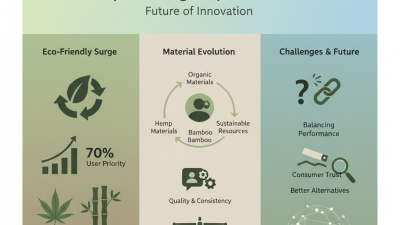
In 2026, envelope paper trends emphasize sustainability and innovation. A significant shift towards eco-friendly materials is observed. Reports indicate that nearly 60% of consumers prefer sustainable packaging options. This demand drives innovation in envelope paper composition, leading to biodegradable and recycled materials taking center stage.
Many manufacturers are responding by investing in renewable resources. For instance, envelopes made from sustainable crops like hemp and sugarcane are on the rise. These materials not only reduce the carbon footprint but also offer durability. An industry analysis highlighted that using recycled paper can save approximately 4,000 kilowatts of electricity per ton produced. This energy conservation is crucial for reducing overall environmental impact.
However, the transition isn't without challenges. Some businesses grapple with higher production costs associated with sustainable materials. Moreover, there is a lingering skepticism about the performance of eco-friendly envelopes compared to traditional ones. Companies must balance cost and quality while ensuring their products meet consumer expectations. This evolving landscape requires mindfulness and adaptability in envelope production.
2026 Best Envelope Paper Options for All Your Mailing Needs
This chart illustrates the popularity of different types of envelope paper options in 2026, highlighting trends towards sustainability and innovation. The data shows the percentage of users selecting each type of paper for their mailing needs.




 +86-4000-808176
 +8618059761903