Best Pulp Lunchbox for Eco-Friendly Packaging Solutions?
In an age where sustainability is crucial, the choice of packaging is vital. The Pulp Lunchbox stands out as a compelling option. Made from renewable resources, it offers an eco-friendly alternative to conventional lunchbox materials. These lunchboxes are crafted from recycled paper pulp, making them biodegradable and compostable.
Consumers today seek reliable, sustainable solutions. Pulp Lunchboxes cater to this demand while ensuring durability. They provide a practical way to transport food without compromising on the environment. Despite their many benefits, some still question their effectiveness compared to plastic options. Users may wonder about their water resistance or structural integrity under weight.
Yet, the growing interest in green packaging solutions showcases an important shift. Many businesses now embrace the Pulp Lunchbox for its versatility and eco-conscious appeal. This choice not only reflects a commitment to sustainability but also encourages consumers to rethink their purchasing habits. In conclusion, the Pulp Lunchbox represents more than just a food container; it embodies a movement toward responsible consumption and the protection of our planet's resources.
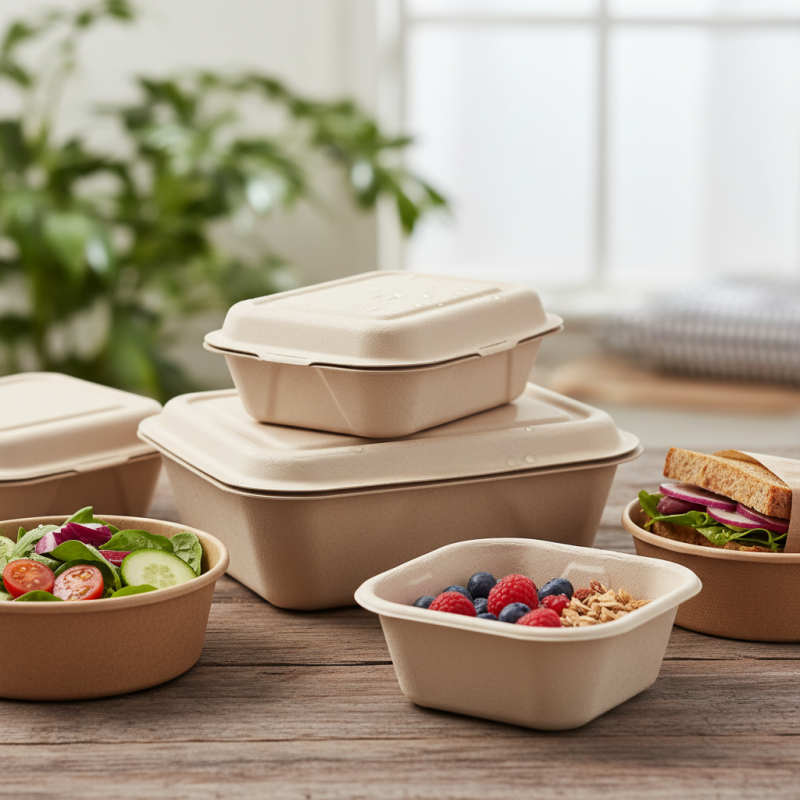
The Environmental Impact of Pulp Lunchboxes in Packaging Industry
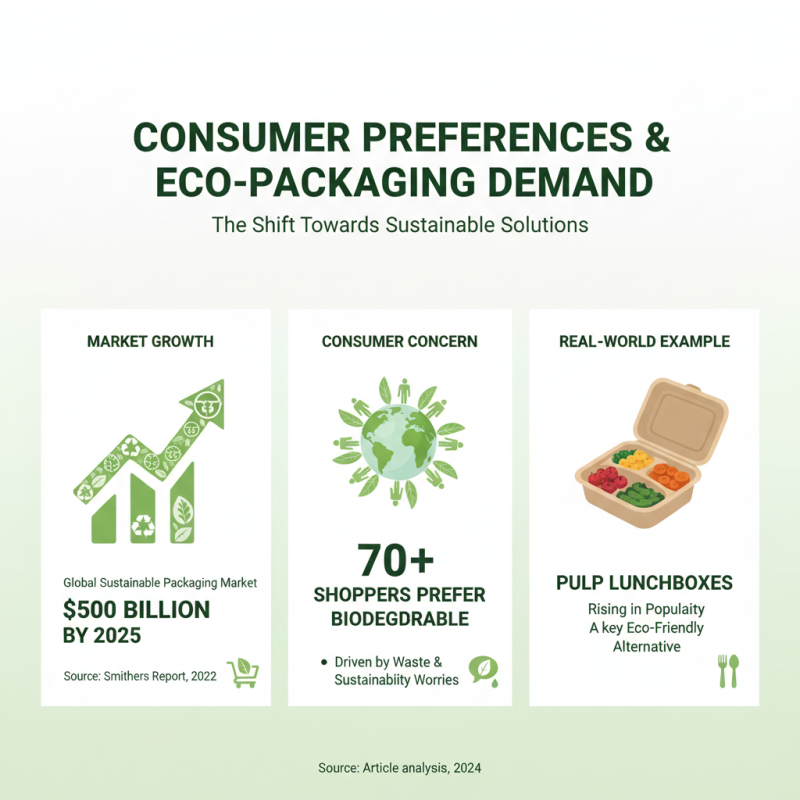
Pulp lunchboxes are gaining traction in the packaging industry. This shift is driven by the urgent need for sustainable solutions. According to a recent report by Smithers, the global eco-friendly packaging market is projected to reach $500 billion by 2025. This growth indicates a rising demand for materials that reduce plastic waste.
The environmental impact of pulp lunchboxes is significant. Unlike traditional plastic packaging, pulp products are biodegradable and compostable. Studies show that pulp-based materials can decompose within 90 days in proper conditions. This reduction in landfill contribution is crucial, as plastic waste contributes to 80% of ocean pollution, according to the United Nations Environment Programme.
However, there are challenges. The sourcing of pulp can lead to deforestation if not managed sustainably. Certification and traceability are essential to ensure responsible harvesting practices. Additionally, while pulp lunchboxes are a step forward, they may not always provide the same durability as plastic options. This can lead to potential food safety concerns. Balancing innovation with sustainability remains a key area for reflection in packaging solutions.
Key Features of Eco-Friendly Pulp Lunchboxes Compared to Traditional Options
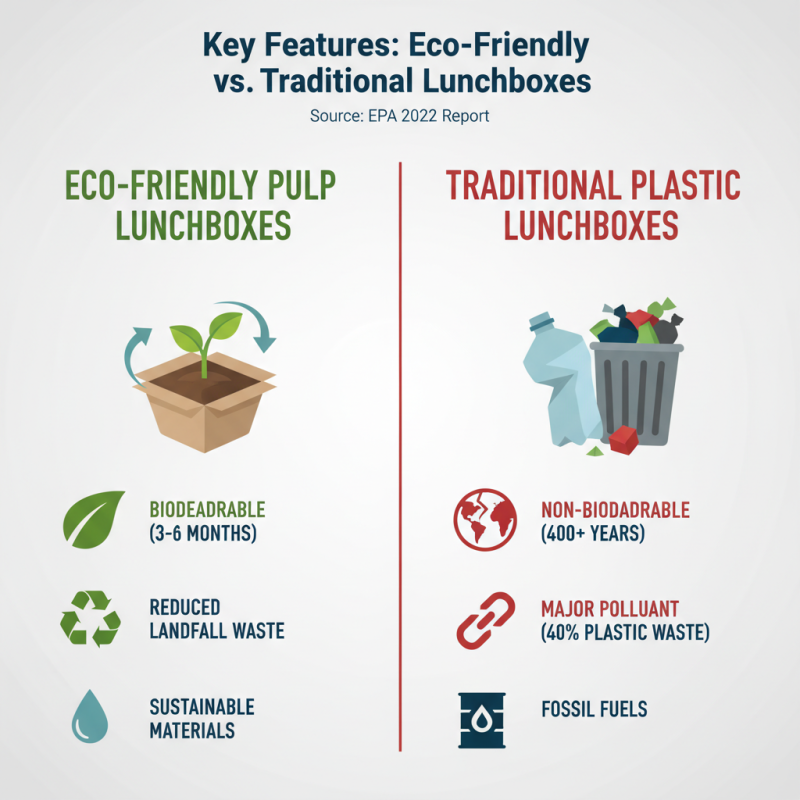
Eco-friendly pulp lunchboxes present numerous key features that differentiate them from traditional packaging options. One significant advantage is their biodegradable nature. According to a 2022 report by the Environmental Protection Agency, single-use plastics make up 40% of the world’s plastic waste. Pulp lunchboxes, on the other hand, decompose within three to six months, helping reduce landfill burden. This presents an opportunity to manage waste more effectively.
Pulp lunchboxes are also versatile. They can easily accommodate hot or cold foods without leaching harmful chemicals. This is a notable contrast to polystyrene containers, which can release toxic substances, especially when heated. A study by the Food Packaging Forum found that about 30% of traditional plastic options can migrate chemicals into food. Pulp lunchboxes eliminate this risk, contributing to healthier eating habits.
Despite the advantages, challenges remain. Pulp lunchboxes may not always provide the same durability as plastics, which can limit their use in certain contexts. Research indicates that consumers are sometimes unwilling to compromise on sturdiness. This concern highlights the need for improved design and material innovations. Addressing these challenges could enhance the appeal of eco-friendly options in diverse food service settings.
Market Trends: Growth of Sustainable Packaging Solutions in Food Service
Sustainable packaging is rapidly changing the food service industry. Many consumers now prefer eco-friendly options. This shift suggests a growing awareness of environmental issues. The demand for sustainable materials is increasing. Restaurants and food providers are responding accordingly. This trend is reshaping how food is packaged and presented.
Pulp lunchboxes are an example of this movement. They are made from renewable resources and offer effective insulation. Using these materials can dramatically reduce plastic waste. However, challenges remain in terms of production costs and availability. Some businesses may struggle with the transition. While there are clear benefits, the initial investment can deter some operators.
Despite these obstacles, the move towards sustainable packaging cannot be ignored. Consumers increasingly demand responsibility from brands. This push creates an opportunity for innovation in packaging solutions. Companies need to listen closely to these changing preferences. Finding the right balance between cost and eco-friendliness is crucial. This trend requires ongoing reflection and adaptation from all involved in the food service sector.
Life Cycle Analysis of Pulp Lunchboxes: From Production to Disposal
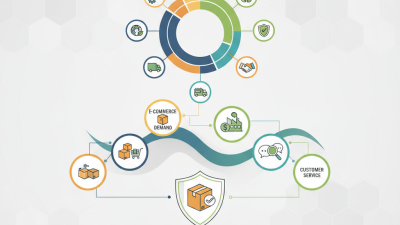
Pulp lunchboxes offer an eco-friendly solution for packaging. Their life cycle analysis highlights key stages, from production to disposal. Production typically involves sourcing renewable materials. This reduces reliance on plastics and lowers carbon footprints. However, the quality of pulp can vary. Not all products will perform equally in terms of durability.
When considering pulp lunchboxes, think about their end-of-life scenario. Many can be composted, returning nutrients to the soil. Yet, improper disposal can negate those benefits. Many consumers forget to check local waste management guidelines. This oversight can lead to wasted resources and increased landfill contributions.
Tips: Always confirm your lunchbox is compostable. Look for clear labeling that indicates biodegradability. Additionally, consider how often you use these lunchboxes. A longer lifespan means lower overall environmental impact. Be mindful; every small choice contributes to a larger eco-friendly practice.
Life Cycle Analysis of Pulp Lunchboxes



 +86-4000-808176
 +8618059761903