Top 5 Tips for Choosing the Best Cylinder Paper Box?
Choosing the right packaging is crucial for any product. A Cylinder Paper Box can enhance your brand's presentation and product protection. However, selecting the best option requires careful consideration.
The design, material quality, and size matter significantly. You want a Cylinder Paper Box that fits your product perfectly. A well-sized box prevents damage during transit. Customers appreciate aesthetically pleasing and functional packaging. This can influence their purchasing decision.
Yet, it's not always straightforward. Many factors can lead to confusion. Expect trial and error in finding the ideal Cylinder Paper Box. With guidance, you can navigate this process effectively. This article offers five essential tips. Each tip is rooted in experience and industry knowledge. Make informed choices that reflect your brand's values.
Understanding the Purpose of Cylinder Paper Boxes
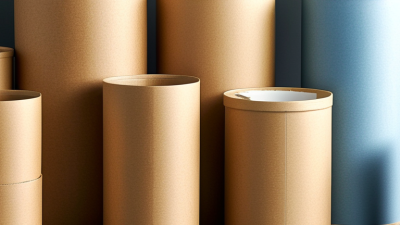
Cylinder paper boxes serve several key functions in packaging. They provide both protection and aesthetic appeal for products. The cylindrical shape allows for efficient space utilization in shipping and storage. In a recent industry report, it was revealed that over 70% of businesses prioritize sustainable packaging solutions. Cylinder paper boxes align with this trend by being recyclable and biodegradable. This not only helps reduce waste but also enhances brand reputation among eco-conscious consumers.
The versatility of cylinder paper boxes makes them suitable for various products. From gourmet foods to cosmetics, they can be tailored to meet specific needs. Customization options include size, color, and label design. Research indicates that well-designed packaging can increase a product's perceived value by up to 30%. However, many companies still struggle with alignment between product and packaging design. Addressing this inconsistency is crucial for maximizing consumer appeal.
Understanding the target audience is vital when selecting cylinder paper boxes. Research shows that packaging influences over 60% of purchasing decisions. Misalignment with consumer expectations can lead to wasted resources and low sales. It’s important for brands to consider their market carefully. A focus group or market survey can offer valuable insights into consumer preferences. Making informed choices about packaging design can significantly impact overall success.
Top 5 Tips for Choosing the Best Cylinder Paper Box
This bar chart illustrates the importance ratings for different factors to consider when choosing a cylinder paper box. Material quality is deemed the most crucial, followed by design flexibility and sustainability, while cost efficiency ranks lower in comparison.
Evaluating Material Quality for Durability and Aesthetics
When selecting a cylinder paper box, material quality plays a crucial role. It influences both durability and aesthetics. High-quality materials such as kraft paper or rigid paperboard offer superior strength. These materials can endure the rigors of transport and handling. However, it's essential to strike a balance between rigidity and weight. Heavier boxes can be more durable but may increase shipping costs.
Aesthetics should not be overlooked. A beautiful design can enhance product presentation. Consider different finishes, like matte or glossy coatings. These can impact the visual appeal significantly. However, a glossy finish may also show fingerprints. Reflecting on this aspect can lead to a better choice. Additionally, eco-friendliness is becoming increasingly important. Sustainable materials can attract environmentally conscious customers. Choosing recyclable or biodegradable options may set a brand apart.
Be mindful of the color and graphics you select. They should align with your brand's identity. Strong visual elements can create an emotional connection. Remember, the right box protects products while reinforcing your brand image. Evaluating material quality is an ongoing process. Regular reviews can lead to improved choices.
Considering Size and Dimensions for Your Specific Needs
Choosing the right size and dimensions for a cylinder paper box is critical to your packaging needs. Industry reports indicate that nearly 65% of consumers consider packaging dimensions when making a purchase decision. This highlights the importance of selecting a box that not only fits the product perfectly but also enhances shelf appeal.
Custom sizing can significantly reduce material waste. Research shows that tailored packaging can lower costs by approximately 20%. However, measuring your product accurately can be tricky. Many businesses underestimate the importance of precise dimensions, leading to boxes that are either too tight or excessively loose.
In addition to size, consider how the dimensions impact storage and shipping. A well-sized box can optimize space, reducing shipping costs. Data from logistics studies suggest that properly sized boxes can improve shipping efficiency by nearly 30%. This underscores the importance of thoughtful dimensioning. Miscalculations here can lead to increased costs and inefficient operations. Remember, striking a balance between aesthetic appeal and functional practicality is essential in packaging design.
Top 5 Tips for Choosing the Best Cylinder Paper Box
| Tip |
Description |
Size Considerations |
Material Type |
| 1. Measure Twice |
Measure the height and diameter for the perfect fit. |
Height: 10-12cm, Diameter: 6-8cm |
Eco-friendly Paper |
| 2. Consider Your Product's Weight |
Choose a box that can safely hold your items. |
Weight Capacity: 500g |
Thick Cardboard |
| 3. Look for Custom Sizes |
Opt for customizable dimensions for unique products. |
Various sizes available |
Sustainable Options |
| 4. Aesthetic Design |
Consider colors and print options that reflect your brand. |
Customizable designs |
Coated Paper |
| 5. Think About Shipping and Storage |
Plan for how you’ll store and ship your products. |
Flat-pack options available |
Recyclable Material |
Exploring Customization Options for Branding and Design
When considering customization options for cylinder paper boxes, the design is crucial. Your choice of colors and graphics can enhance brand recognition. Consider using matte or glossy finishes to attract attention. An eye-catching box can make a lasting impression. Explore embossing or debossing techniques for added texture. These features can elevate the perceived value of your product.
Choosing materials is equally important. Eco-friendly options demonstrate responsibility. They also appeal to consumers who prioritize sustainability. Think about the weight and durability of your box. A sturdy design ensures that your product arrives safely. Conducting a small market test can provide valuable insights into preferences.
Remember to integrate your branding seamlessly. The box should reflect your company’s identity. Include your logo and tagline prominently. However, be cautious not to overcrowd the design. Sometimes, less is more. Clean lines and simple messaging can enhance clarity. Keep refining your idea based on feedback. Your end goal is a box that speaks to your audience while serving its function effectively.
Assessing Supplier Reputation and Customer Reviews
Assessing the reputation of suppliers and customer reviews is crucial when selecting a cylinder paper box. A recent industry study indicates that 70% of purchasing decisions are influenced by online reviews. Several platforms provide valuable insights into supplier reliability. For instance, a supplier with consistent positive feedback often demonstrates strong performance and customer satisfaction. Look for details about product quality and service in reviews. These specifics can help you gauge whether a supplier aligns with your needs.
Engaging with customer feedback can reveal potential red flags. A consistent pattern of complaints, particularly regarding quality or shipping delays, should raise concerns. The data suggests that companies with more than 10% negative reviews often face challenges in maintaining client trust. When evaluating suppliers, consider their responsiveness to feedback. Suppliers who address negative reviews demonstrate a commitment to improvement and customer care.
When choosing a cylinder paper box supplier, consider the expertise of the manufacturer. A supplier with industry certifications and experience typically provides more reliable products. Investigate how long the company has been in business. Those with a track record spanning several years are likely to have refined their processes and maintain quality standards. Remember, thorough research today can save you from costly mistakes tomorrow.




 +86-4000-808176
 +8618059761903