Top 10 Tips for Choosing the Right Corrugated Shipping Box?
Choosing the right corrugated shipping box is crucial for businesses of all sizes. This choice impacts both product safety and shipping costs. As noted by packaging expert Jane Thompson, "A well-chosen corrugated box can save you money and headaches."
Corrugated shipping boxes come in various sizes and strengths. Selecting the ideal box can enhance your products' protection during transport. Think about the nature of your goods. Are they fragile? Bulky? The right box can provide the necessary support to prevent damage.
However, the process isn't always straightforward. Brands sometimes overlook specific details, like box thickness or design. It's essential to reflect on these factors to avoid unnecessary losses. Keeping in mind the importance of quality and efficiency can lead to better shipping experiences. Choosing the best corrugated shipping box is not just a task; it's a strategic decision that requires careful consideration.

Understanding the Importance of Choosing the Right Corrugated Box
Choosing the right corrugated shipping box is crucial for product safety and cost efficiency. A well-selected box protects your goods during transit and reduces the risk of damage. Understanding the importance of this choice helps businesses maintain quality and enhance customer satisfaction.
When selecting a shipping box, consider the size of your items. An ill-fitting box leads to movement and potential breakage. A snug fit can prevent damage, but don’t make it too tight. Ensure there’s enough cushioning.
Another aspect is the strength of the corrugated material. Different weights handle varying loads. Understand the weight of your products and choose accordingly. Failure to match strength with weight can cause issues. Heavy items in weak boxes can lead to crushed goods and costly returns.
Evaluate your shipping environment as well. If your boxes go through rough conditions, opt for higher durability. Reflect on past shipping experiences to identify pain points. The right box can significantly impact your logistics efficiency and overall operations.
Identifying Your Shipping Needs and Requirements
Choosing the right corrugated shipping box starts with understanding your unique shipping needs. What are you sending? Consider the weight, size, and fragility of the items. Heavy products require sturdier boxes. Fragile items need extra cushioning. Knowing these details helps you select a box that will keep your goods safe during transit.
Evaluate your shipping destinations as well. Different regions may have specific regulations or requirements for packaging. Some carriers have limitations on box dimensions or weight. Ignoring these factors can lead to delays and additional costs. Measure your items carefully. Sometimes, a smaller box may fit better and save you money.
Think about how the boxes will be stored too. If space is limited, opt for stackable designs. Reflect on your past experiences with shipping. Did items sustain damage? Did boxes arrive crushed? Learn from these situations to make better choices.
Consider investing in quality materials, even if they come at a higher initial cost. Your shipping box should reflect the value of your items.
Selecting the Appropriate Size and Dimensions for Your Products
Selecting the right size and dimensions for your corrugated shipping box is crucial for safe transport and cost efficiency. According to the International Corrugated Case Association, nearly 30% of shipping damage occurs due to inadequate packaging. A box that is too large may allow items to shift, while one that is too small can lead to crushing.
When choosing dimensions, consider the product's shape and fragility. Measuring your products accurately prevents unnecessary damage. Utilize padding materials for added protection as needed. Too little space can increase stress on the items, causing defects or breaks. A well-fitted box minimizes movement and provides stability.
Evaluate the weight of the items as well. Lightweight items should not be paired with excessive box size, as this leads to wasted materials. Each box should uniformly distribute the weight to prevent collapse. The right size also helps in optimizing shipping costs. In fact, a study by Packaging Digest reports that proper sizing can cut shipping expenses by up to 15%. Being mindful of dimensions not only protects your products but also reflects your commitment to quality in shipping practices.
Evaluating the Strength and Durability of Corrugated Materials
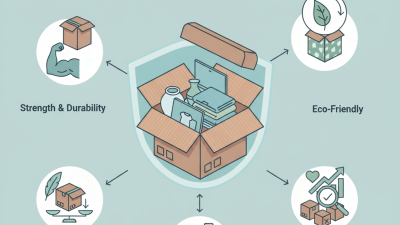
Choosing the right corrugated shipping box involves careful consideration of material strength and durability. The quality of corrugated materials can dictate the safety of your products during transportation. Stronger materials can withstand the rigors of shipping, while weaker ones may lead to damage and increased costs.
When evaluating corrugated boxes, look for different fluting types. The flute size and height impact strength. A denser flute can absorb shocks better. It can protect fragile items more effectively. Also, consider the overall weight of the box. Heavier boxes may be sturdier, but they also increase shipping costs. Lightweight options might seem appealing but assess their durability closely.
Visual signs of quality are crucial. Check for uniformity in the box’s surface. Any irregularities could indicate underlying weaknesses. Additionally, test the boxes if possible. A quick strength test can reveal vital information. Remember, investing in high-quality materials can save money down the line. Reflecting on long-term benefits truly matters.
Considering Eco-Friendly Options for Sustainable Shipping Solutions
When choosing a corrugated shipping box, sustainability is a key factor. Eco-friendly options are increasingly popular. They reduce environmental impact and can enhance your brand's appeal. Consider boxes made from recycled materials. These options are often durable, lightweight, and cost-effective. They help minimize waste and support a circular economy.
Selecting the right box involves understanding its purpose. If you're shipping fragile items, opt for eco-friendly cushioning materials. Use biodegradable peanuts or paper wraps instead of plastic. This choice not only protects your products but also lowers your carbon footprint. Assess the size of your shipment. A well-fitted box reduces the need for excessive padding and waste.
Evaluate your supplier's sustainability practices. Reliable companies prioritize eco-friendly materials and production processes. They invest in sustainability and often provide certifications. It's important to connect with partners who share your values. Shipping sustainably requires effort, but it can lead to significant long-term benefits. Taking small steps today can contribute to a healthier planet tomorrow.




 +86-4000-808176
 +8618059761903