What Is a Gift Box and How Do You Choose One?
A Gift Box is more than a decorated container. It protects the item, frames the occasion, and shapes the receiver’s first emotional response. In practice, a good box should feel balanced in the hand, open without frustration, and fit the product without excessive empty space. A beautiful box can still be wasteful.
Market evidence shows why this category deserves careful attention. Grand View Research’s 2024 Gift Packaging Market report identifies strong growth across premium presentation, personalization, and sustainable materials. The report estimates the broader gift packaging market at more than USD 27 billion in 2023. Smithers’ The Future of Packaging to 2029 also highlights changing consumer expectations around recyclability, material reduction, and responsible sourcing. These findings suggest that appearance alone is no longer enough. Buyers increasingly examine paper quality, reusable design, and disposal instructions.
David Luttenberger, Mintel’s global packaging director, has described packaging as “the silent salesperson.” That observation fits every Gift Box placed on a shelf or delivered to a doorstep. Color speaks first. Then structure, texture, and closure guide the experience. Still, choosing well requires more than following trends. Consider the product’s weight, dimensions, fragility, audience, budget, and shipping conditions. A rigid magnetic box may suit premium jewelry, while a recyclable folding carton may better serve everyday gifts. The wrong choice can create unnecessary cost and material use. Some preferences remain subjective. That is why this guide compares practical performance with visual appeal, helping readers choose a Gift Box that feels thoughtful, reliable, and appropriate.
What Is a Gift Box? Types, Functions, and Smithers’ $1.2T 2028 Forecast
What Is a Gift Box and How Do You Choose One?
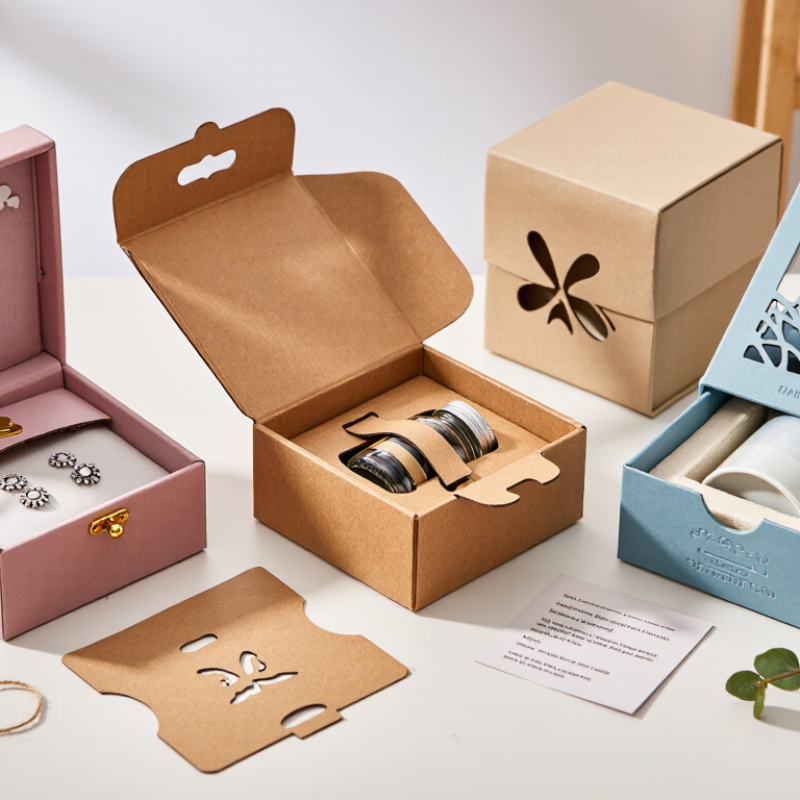
A gift box is a container designed to protect, present, and personalize an item. It can be rigid, folding, magnetic, cylindrical, or made from recycled fiber. Each type creates a different experience. A rigid box feels substantial and suits jewelry, cosmetics, or premium food. A folding carton costs less and stores more efficiently. Mailer boxes help online sellers reduce outer packaging. Simple, but important.
The packaging market is expected to approach $1.2 trillion by 2028, according to The Future of Global Packaging to 2028 forecast. This figure includes many packaging categories, not gift boxes alone. That distinction matters. Meanwhile, the United Nations Environment Programme reports that packaging represents about 40% of global plastic use. A beautiful box can still create unnecessary waste. I would question oversized designs, even when customers call them luxurious.
Choose a box that fits closely around the product, with enough space for protection. Measure length, width, and height before ordering. Check the box’s weight capacity, closure strength, and surface finish. For fragile products, add paper cushioning rather than excessive plastic. For repeated use, consider durable construction and neutral styling. For shipping, test the box with a drop test. Real handling is harsher than a showroom table. Also review material claims carefully. “Recyclable” may depend on local facilities, coatings, and adhesives. A smaller, practical box often delivers the stronger choice.
How Are Gift Boxes Built? Board GSM, ECT Ratings, and ISTA 3A Tests
What Is a Gift Box and How Do You Choose One?
A gift box is more than printed paper around an item. Its board structure controls protection, appearance, and shipping performance. Board GSM measures weight per square metre. A 350 GSM liner feels firm, but GSM alone cannot predict compression strength. Moisture, flute design, fibre quality, and converting accuracy also matter.
ECT ratings measure edge crush strength in pounds per inch. A common 32 ECT board supports many lightweight gift packages, while heavier products may require 44 ECT or stronger construction. The Fibre Box Association’s 2023 industry statistics reported a 96.4% corrugated recovery rate in the United States. That figure supports recycled fibre use, but recycled content can vary in stiffness. Numbers need context. A heavier board is not automatically safer.
ISTA 3A testing provides a more realistic shipping check. The procedure covers parcel shipments up to 150 pounds, or about 68 kilograms, and combines conditioning, compression, vibration, and repeated drops. A box may pass a simple drop test yet fail after vibration loosens the product inside. That is why designers should test the assembled gift box, not only a flat board sample.
In practice, a 32 ECT box with tight inserts can outperform a heavier box with empty space. This is where packaging decisions become less tidy. The wrong assumption is easy.
A practical specification should record GSM, ECT, dimensions, closure style, product weight, humidity exposure, and ISTA 3A results.
Sources: Fibre Box Association, 2023 Corrugated Industry Statistics; International Safe Transit Association, ISTA 3A Procedure.
How Do You Choose the Size? Fit Rules and NRF’s 16.9% Return Rate
What Is a Gift Box and How Do You Choose One?
Choosing a gift box starts with the item’s finished size, not its product label. Measure length, width, and height after adding tissue, padding, or a protective sleeve. Leave about 1 to 2 centimeters of clearance on each side. Too little space can crush corners. Too much space lets the gift slide and appear careless.
A practical fit test uses the real packing materials. Place the item inside, close the lid, and gently shake the box. It should remain stable without pressure. Heavy products need stronger walls and a firm base. Delicate items may require extra depth for cushioning. I still sometimes overestimate the space needed for soft materials. That mistake increases shipping volume and handling costs.
Size also affects return risk. The National Retail Federation reported a 16.9% retail return rate in one recent analysis. Poor presentation, damaged packaging, and incorrect expectations can contribute to returns. A box that looks impressive online may feel wasteful in person. Check the product’s final packed dimensions, not just its display dimensions. Test several box sizes before ordering in quantity. Small errors become expensive quickly. A snug fit usually feels more intentional.
Which Material Works Best? EPA’s 80.9% Paper Packaging Recycling Rate
A gift box is a container designed to protect and present an item attractively. Its size, structure, and material should match the gift. A small ceramic cup needs firm walls, while soft clothing may need only a lightweight folding box. In my packing experience, a box that looks beautiful can still fail if its corners crush easily.
Paper packaging deserves serious attention. The U.S. Environmental Protection Agency reported an 80.9% recycling rate for paper and paperboard containers and packaging in its waste data. This figure shows strong recovery potential, but it does not mean every gift box is recyclable everywhere. Local collection systems differ. Wet paper, heavy coatings, plastic windows, foil layers, and attached magnets may complicate processing.
Choose clean, mostly paperboard construction when practical. Look for a box that feels rigid without unnecessary layers. Avoid oversized packaging, since extra space often requires more filler. A removable ribbon helps. So does a paper label instead of a laminated one. Check the recycling guidance in your area before disposal.
Simple can work.
I have sometimes selected a box for appearance first, then discovered that its glossy finish was difficult to recycle. That mistake is worth remembering. A reliable choice balances protection, presentation, reuse, and end-of-life handling. For fragile gifts, add minimal paper cushioning and test the closed box with a gentle shake. If the item moves too much, the design needs revision.
What Is a Gift Box and How Do You Choose One?
Which Material Works Best? EPA’s 80.9% Paper Packaging Recycling Rate
Paper and paperboard packaging had the highest recycling rate among the selected packaging materials in the U.S. EPA’s 2018 data, reaching 80.9%. For a gift box, paperboard is therefore a practical choice when recyclability, easy handling, and printability are important.
Source: U.S. Environmental Protection Agency, 2018 packaging recycling data.
How Do Cost and Design Affect Choice? MOQ, Unit Cost, and FSC Standards
A gift box is both protection and presentation. Its choice should begin with product size, weight, and unboxing conditions. A rigid box feels premium, but it often requires higher tooling and storage costs. A folding carton usually reduces shipping volume and may suit larger quantities. In real purchasing work, the cheapest quotation is rarely the cheapest result. Weak board, poor inserts, or oversized dimensions can create avoidable damage.
MOQ strongly affects unit cost. A supplier may quote $1.20 per box at 500 units, but only $0.48 at 5,000 units. The lower price can hide cash tied up in inventory. Ask for tooling, sampling, freight, and storage costs separately. Keep the design efficient. Fewer custom parts usually mean faster production and fewer quality problems. Still, reducing every detail may make the box look ordinary. That trade-off deserves testing.
FSC standards add a traceability requirement, not merely a green label. FSC Facts & Figures 2023 reported more than 160 million hectares under FSC certification worldwide. Ask for valid chain-of-custody documentation and confirm whether the certificate covers the purchased material. McKinsey’s 2023 packaging research found that many consumers value sustainable materials, although price remains influential. Use that finding carefully. Customer expectations differ by market. A practical choice may be an FSC-certified paperboard box, compact dimensions, and a moderate MOQ. Request a physical sample. Digital images can hide weak edges, inaccurate colors, and inserts that do not fit.




 +86-4000-808176
 +8618059761903