For more information or quick response,welcome to contact [email protected] or WhatsApp:+8618059761903
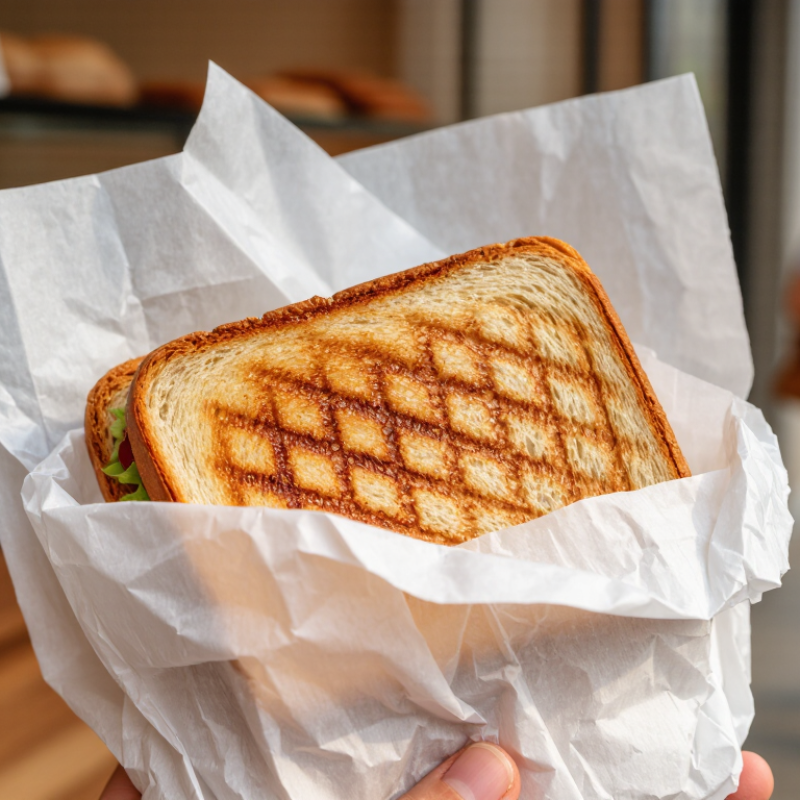
A hot sandwich can quickly turn ordinary packaging into a greasy, weak mess. A Greaseproof Deli Paper Bag helps manage this problem. It uses specially treated paper that resists oil and moisture better than standard paper bags. This design keeps sauces from spreading easily across the outside. It also helps food remain presentable during short takeaway journeys.
Picture a toasted panini, a folded liner, and a customer walking two blocks to lunch. The bag should hold the food securely without feeling overly stiff. Deli counters, bakeries, cafés, and food trucks often choose this format for sandwiches, pastries, fried snacks, and other ready-to-eat items. However, greaseproof does not mean completely leakproof. That distinction matters. Heavy sauces, excessive heat, or long holding times can still challenge the paper.
Choosing the right bag requires more than checking its appearance. Buyers should review the paper weight, internal dimensions, opening style, and intended food applications. A bag that is too narrow may crush the filling. One that is too large may allow movement and create messy handling. Suppliers should provide clear product specifications and suitable food-contact information. Compostable or recyclable claims should also be checked against credible certification, not printed slogans alone.
These details sound minor. They are not. In everyday service, reliable packaging protects presentation, reduces unnecessary cleanup, and supports a smoother customer experience. Still, no bag solves every packaging problem. The most practical choice balances grease resistance, strength, usability, cost, and responsible material selection.
A greaseproof deli paper bag is a food-contact paper pouch designed to resist oils from sandwiches, pastries, and fried foods. Its dense, low-porosity fiber structure slows grease migration without making the bag rigid. Some constructions use internal treatments, while others rely mainly on paper engineering. Greaseproof does not mean waterproof. Steam, sauces, and prolonged contact can still weaken the material. Not always.
Key features include oil resistance, controlled breathability, foldability, and suitable basis weight. Technical buyers may review KIT ratings under TAPPI T 559 and check food-contact declarations for the intended market. A higher rating is not automatically better for every application.
Thin paper may feel efficient, yet it can tear around a heavy filling. Dense paper may perform better, but it can increase material use. That trade-off deserves honest testing.
The U.S. Environmental Protection Agency reported 67.4 million tons of paper and paperboard containers and packaging in 2018. About 46.9 million tons were recovered, showing the importance of fiber choices at scale. Grand View Research valued the global paper bags market at approximately 5.2 billion dollars in 2022. It projected a 4.9% compound annual growth rate through 2030. These figures cover many bag types, not deli bags alone. Still, they reflect growing interest in paper packaging. A greaseproof bag should be judged by real food trials, not appearance alone.
A greaseproof deli paper bag is designed to hold oily foods without quickly becoming limp or stained. Its resistance begins with tightly formed paper fibers that leave fewer paths for oil to travel. Some bags also receive a food-contact coating or surface treatment. These layers slow oil penetration while keeping the paper lightweight.
In practical food-service handling, a warm sandwich releases oil from the filling and moisture from its heat. The grease-resistant surface helps contain both during short serving periods. A folded bag can protect fingers from a greasy crust. That distinction matters. Greaseproof does not mean waterproof. Steam may still soften the paper, especially when food is packed immediately after cooking. A bag that performs well with fried snacks may struggle with very wet fillings.
A simple quality check can reveal these limits. Place a warm, oily item inside and inspect the outer surface after several minutes. Look for dark spots, soft corners, or weakened folds. I would also test the bag after stacking, because pressure can force oil through small seams. Small trials reveal more than appearance alone. Paper thickness, fold design, coating consistency, and storage conditions all affect performance. Choosing only by a glossy surface can be misleading. The best material matches the food, serving time, and expected handling.
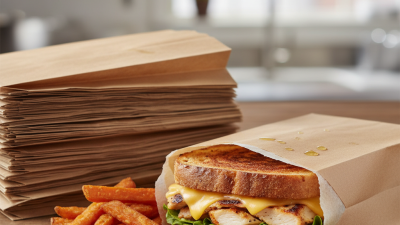
A greaseproof deli paper bag uses treated paper to resist oil, moisture, and minor leaks. Its structure keeps sandwiches, pastries, fries, and fried snacks cleaner during service. Common designs include flat bags, gusseted bags, folded-top sacks, and versions with small viewing windows. Flat bags suit sliced sandwiches. Gusseted designs hold thicker products without crushing them. A window can improve product visibility, but it may reduce printing space and weaken the surface.
Typical sizes range from about 4 x 2 x 7 inches for cookies and small pastries to 6 x 3 x 9 inches for loaded sandwiches. Larger 8 x 4 x 10 inch formats can hold wraps, boxed meals, or several portions. Exact dimensions vary by supplier and product shape. A bag should hold food firmly, not tightly. Otherwise, steam can soften the paper and damage the food. That problem is easy to overlook.
Foodservice operators use these bags for takeaway counters, bakeries, cafés, delis, mobile kitchens, and institutional dining. Grand View Research valued the global foodservice packaging market at approximately 84.3 billion dollars in 2023, with projected growth through 2030. This expansion supports demand for practical paper formats, especially where quick handling matters. Greaseproof bags can also reduce the need for separate liners, though performance depends on food temperature, oil content, and holding time. Testing remains necessary. A bag that works for a dry croissant may fail with hot fried chicken.
What Is a Greaseproof Deli Paper Bag and Why Use It?
A greaseproof deli paper bag is made from paper that resists oils and light food moisture. It helps contain fried snacks, sandwiches, pastries, and other takeaway foods. In a busy deli setting, fewer greasy marks mean cleaner counters and easier handoff. The bag also protects food from dust and unnecessary handling. However, it is not fully waterproof. This detail is often missed.
For customers, convenience matters. A grease-resistant surface reduces leaks inside lunch bags and vehicles. The structured opening can keep a sandwich secure while allowing quick access. Paper also feels lighter and more natural than many plastic alternatives. For presentation, a clean bag frames the food without hiding it completely. A simple printed design can support a tidy, professional appearance. Still, appearance should never replace safe food handling.
Tips: Match the bag size to the portion. Extra space can make food slide around. A tight fit may crush delicate fillings. Add a moisture-resistant liner when serving very wet foods. Let hot items release excess steam before sealing them, or the food may soften. Test the bag with your actual menu, including sauces and oily fillings. I would not trust a general claim without testing. Check the supplier’s food-contact information and follow local packaging requirements.
A greaseproof deli paper bag is a food-service paper package designed to help contain oils, sauces, and crumbs while keeping handheld foods easier to carry and more presentable. It supports food protection and convenience, but it does not replace safe temperature control.
The chart shows key food-temperature thresholds relevant to packaged deli foods. Under the FDA Food Code, cold food should be held at 5°C (41°F) or below, while hot food should be held at 57°C (135°F) or above. Greaseproof bags help improve handling, cleanliness, and presentation, but temperature control remains essential for food safety.
Selecting the right greaseproof deli paper bag starts with the food, not the appearance. Match the bag’s size to the portion, leaving enough room for easy closure. For fried chicken, pastries, or oily sandwiches, choose paper with tested grease resistance and suitable food-contact documentation. Check the supplier’s technical sheet for basis weight, coating type, temperature limits, and intended use. A thicker bag may feel safer, but it can use more material than necessary. No choice is perfect.
Use these bags with dry hands and avoid overfilling them. Steam needs an escape route, especially when packaging hot foods. Otherwise, the crust may soften and the paper may weaken. Place the bag upright during delivery, away from leaking sauces and sharp food edges. According to the U.S. Food and Drug Administration, food-contact packaging should be suitable for its intended conditions, including temperature and contact time. That detail is easy to overlook.
Store unused bags in a clean, dry cabinet, preferably in their original carton. Keep them away from chemicals, damp floors, and direct sunlight. Disposal requires an honest check. A bag soaked with oil or food residue usually should not enter paper recycling. The U.S. Environmental Protection Agency reported that paper and paperboard generated 67.4 million tons of municipal waste in 2018, showing why contamination matters. The American Forest & Paper Association reported a 60.8% U.S. paper recovery rate in 2023, but recovery depends on clean, accepted material. Reuse is rarely practical after heavy grease, so correct sorting remains the better habit.