Why Are Paper Cups Becoming Popular for Everyday Use?
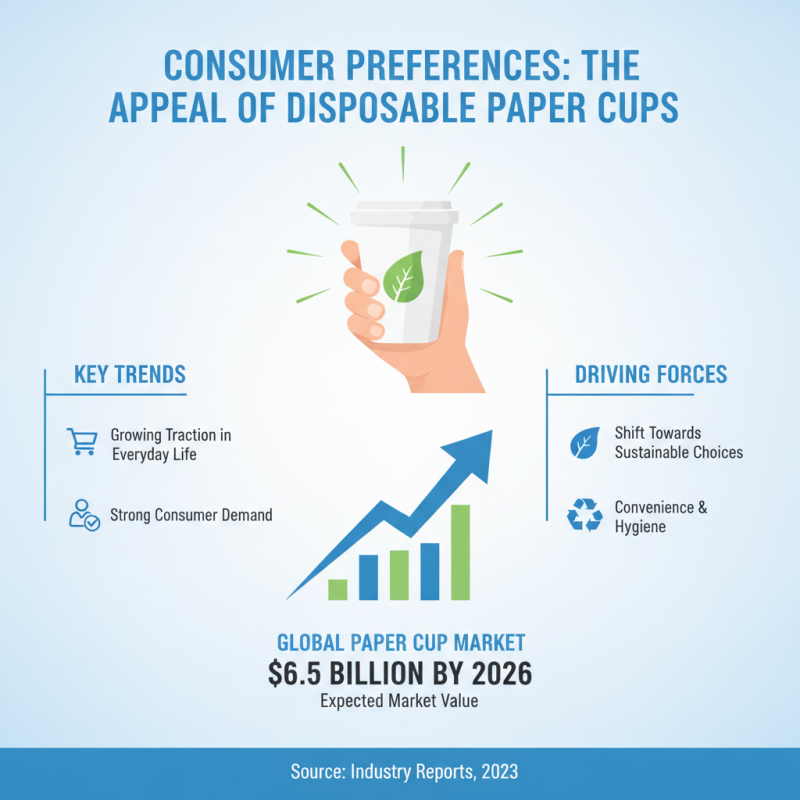
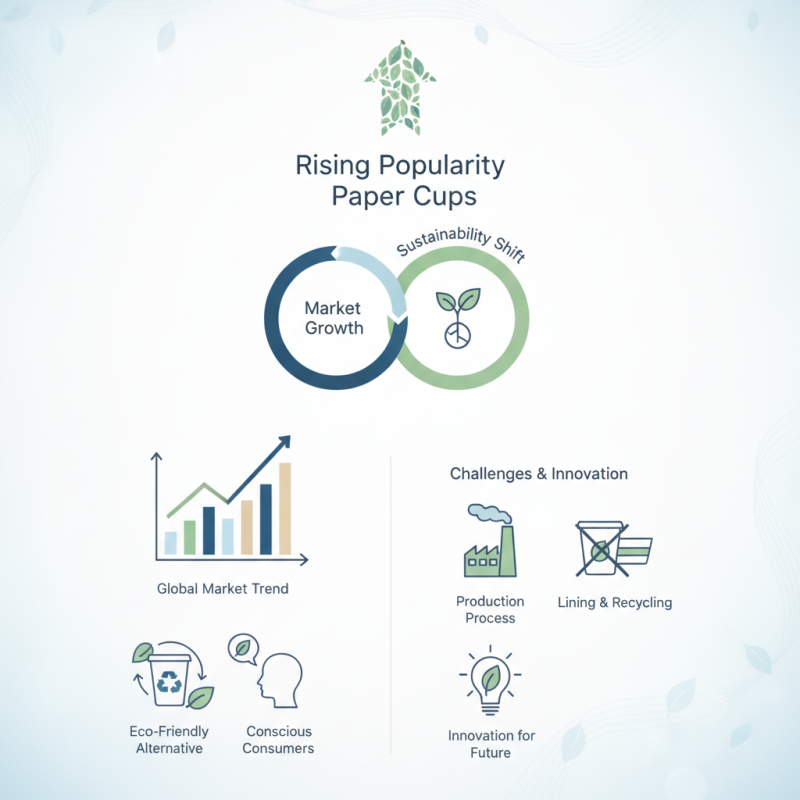
In recent years, the popularity of paper cups has surged dramatically. According to a report by Smithers Pira, the global paper cup market is expected to reach $4.5 billion by 2026. This growing trend highlights a shift in consumer preferences toward environmentally friendly products. Many businesses are adopting paper cups as a more sustainable alternative to plastic.
Industry expert Dr. Emma Green, a leading voice in sustainable packaging, notes, “Paper cups offer a biodegradable solution that aligns with the values of conscious consumers.” This shift is not just about aesthetics; it reflects a broader commitment to reduce waste. As consumers become more aware of their environmental impact, their choices are evolving.
However, despite their benefits, paper cups pose challenges. The production process involves energy and resource use, raising questions about true sustainability. Many cups are lined with plastic, complicating recycling efforts. While their use is promoting eco-friendly habits, the industry must continue innovating. Addressing these imperfections will be essential for long-term success in the paper cup market.
The Shift Towards Convenience: The Rise of Paper Cups
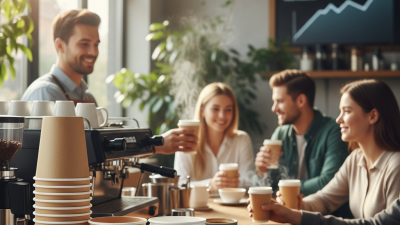
In recent years, paper cups have surged in popularity, largely due to the demand for convenience. Many people lead busy lives, often rushing from one task to the next. Paper cups provide an efficient way to enjoy drinks while on the go. Their lightweight nature allows for easy transport, fitting seamlessly into our fast-paced routines.
However, this convenience raises questions about sustainability. Paper cups might seem like a better choice, but their production and disposal have environmental impacts. Many still end up in landfills, where they contribute to waste. The shift towards paper cups reflects a growing preference for disposable solutions, but it's crucial to seek more eco-friendly options. Biodegradable or reusable alternatives could serve our needs without the ecological cost.
Convenience can sometimes overshadow the need for responsible consumption. As we embrace paper cups in our daily lives, it’s essential to balance ease with environmental awareness. The culture around these cups reflects larger societal shifts, reminding us that choices carry weight. Are we choosing convenience at the expense of our planet? These are questions worth pondering as we sip our beverages.
Why Are Paper Cups Becoming Popular for Everyday Use? - The Shift Towards Convenience: The Rise of Paper Cups
| Category |
Percentage of Use (%) |
Main Reason for Use |
| Coffee Shops |
65% |
Convenience and Grab-and-Go Culture |
| Fast Food Chains |
50% |
Eco-Friendly Image |
| Events and Festivals |
75% |
Ease of Disposal |
| Office Use |
40% |
Reduced Cleaning Time |
| Home Use |
30% |
Convenience for Guests |
Environmental Considerations: Sustainability and Eco-Friendliness
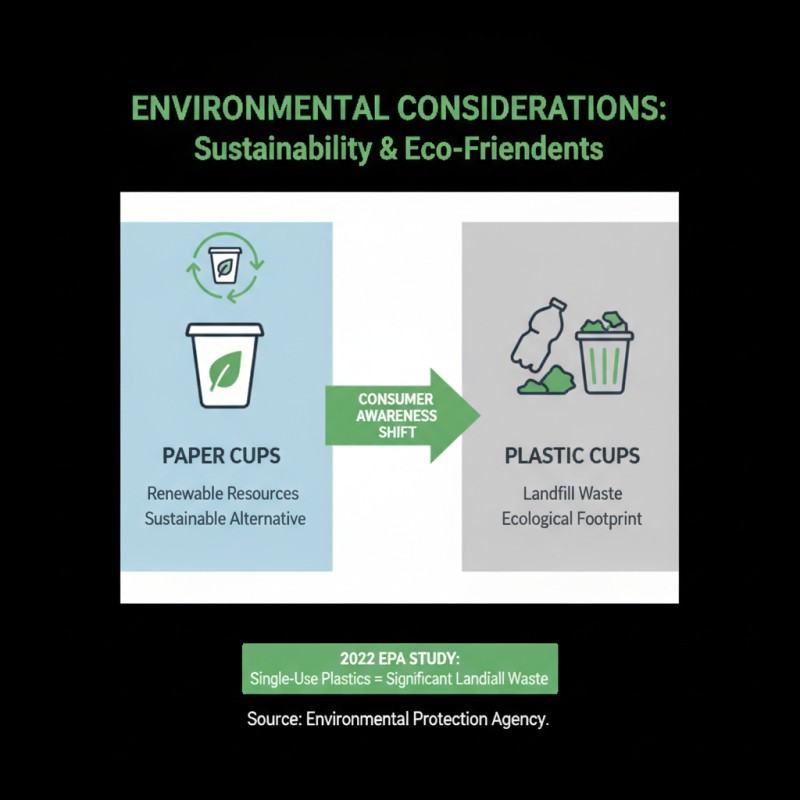
The rising popularity of paper cups is deeply tied to environmental considerations. Many consumers are becoming increasingly aware of their ecological footprint. A 2022 study by the Environmental Protection Agency noted that single-use plastics significantly contribute to landfill waste. Paper cups, often made from renewable resources, are considered a more sustainable alternative.
Research shows that around 90% of paper cups can be recycled, though actual recycling rates hover around 25%. This gap highlights the ongoing challenges in recycling infrastructure and consumer behavior. While paper cups still have a carbon footprint, it tends to be lower compared to traditional plastic cups. In fact, an analysis by the Paper and Paperboard Packaging Environmental Council found that the lifecycle emissions of paper cups are 30% lower than those of plastic cups.
However, the production process of paper cups also warrants reflection. While they are often labeled as eco-friendly, many still contain plastic linings. This can complicate recycling efforts and lead to contamination. Achieving true sustainability in disposable products requires continuous innovation and improved recycling technologies. Consumers should remain informed and advocate for practices that enhance eco-friendliness in everyday items.
Health and Safety Factors in Beverage Consumption
Paper cups have gained traction for everyday use, largely due to health and safety considerations. Recent data indicates that consumers are becoming increasingly conscious of hygiene. In a survey conducted by the National Restaurant Association, 70% of respondents expressed concerns about health risks associated with reusable items. This shift has contributed to a growing preference for single-use products, particularly during heightened pandemic awareness.
The World Health Organization emphasizes that proper packaging plays a crucial role in food safety. Their studies suggest that disposable cups can reduce the risk of contamination. Interestingly, paper cups are easier to recycle than plastic ones, aligning with sustainable practices. However, some reports highlight potential health risks associated with the chemicals in the lining of these cups. A review found that certain materials can leach into beverages, especially when exposed to heat.
Even with these considerations, the convenience of paper cups remains appealing. They are lightweight and user-friendly, making them a practical choice for on-the-go consumers. Despite the positive aspects, it’s important to remain mindful of environmental impacts. Continued research is needed to ensure that health and safety measures don’t compromise sustainability efforts in the long run.
Why Are Paper Cups Becoming Popular for Everyday Use?
Innovations in Paper Cup Design and Functionality
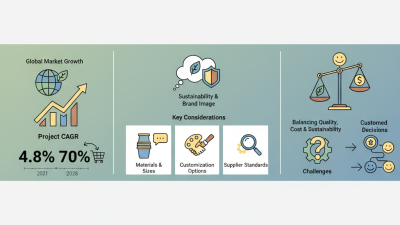
The popularity of paper cups is on the rise, driven by innovative designs that enhance their functionality. Recent industry reports indicate that the global market for paper cups is projected to grow by 5% annually. This growth can be attributed to advancements in eco-friendly materials and efficient manufacturing processes, making paper cups a viable choice for consumers and businesses alike.
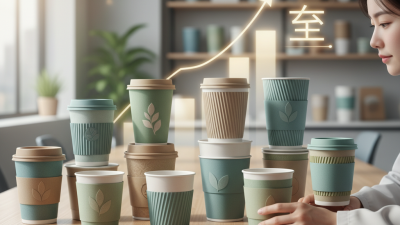
New designs focus on insulation and leak-proof features. Many paper cups now include double-wall structures that keep beverages hot without burning hands. In addition, biodegradable coatings reduce environmental impact. These innovations address the sustainability concerns many consumers have today.
Tips: When choosing paper cups, look for those made from recycled materials. They not only reduce waste but often come with improved designs. Also, consider cups that are certified compostable; this ensures that they break down in commercial composting facilities.
Some challenges remain. While paper cups are better for the environment than plastic, they still pose disposal issues. Businesses must balance cost with sustainability as they make purchasing decisions. Opting for eco-friendly products can sometimes mean a higher price point, which may require careful consideration.



 +86-4000-808176
 +8618059761903