China Top Envelope Paper Types for Your Business Needs?
Selecting the right envelope paper for your business can significantly impact your branding and communication. Envelope paper comes in various types and qualities, each offering unique advantages. Understanding these options is crucial for making informed decisions that align with your business needs.
Different envelopes serve different purposes. Business correspondence may demand smooth, professional finishes, while marketing materials often require vibrant, eye-catching designs. The right envelope paper can enhance the overall impression of your message. However, choices can be overwhelming.
Focusing on quality over quantity is vital. Consider aspects like weight, texture, and print compatibility. Each element can elevate your brand's perceived value. However, overlooking these details may lead to subpar choices and wasted resources. It's essential to invest time in exploring the best envelope paper types that resonate with your brand identity.
Overview of Envelope Paper Types Used in China
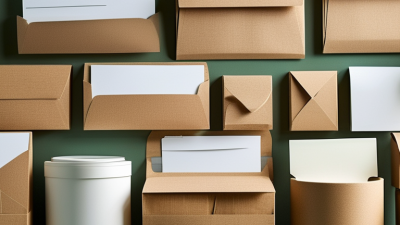
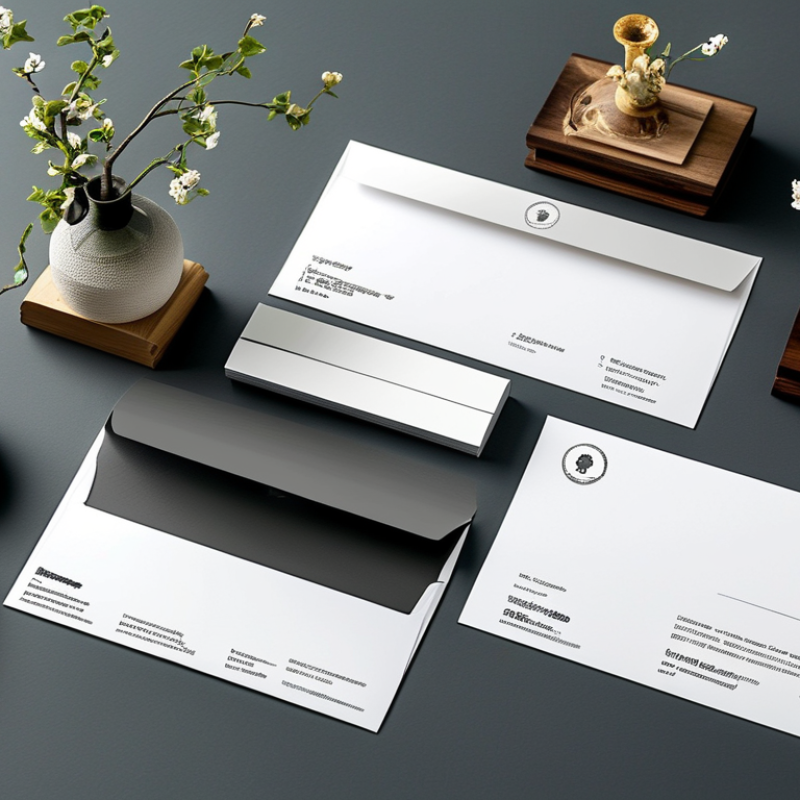
When considering envelope paper types in China, businesses have a variety of options. The most common types include kraft paper, bond paper, and specialty papers.
Kraft paper, known for its strength, is widely used for mailing and packaging. It makes up around 40% of the market due to its durability and eco-friendliness. Bond paper, often used for formal correspondence, represents 30% of envelope usage. Its smooth texture enhances print quality, making it a popular choice.
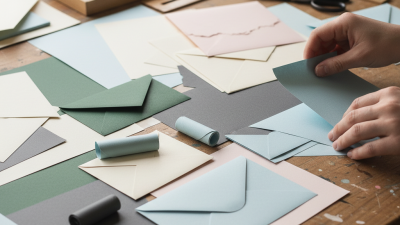
Specialty papers are also gaining traction. These can include textured or colored papers that elevate branding efforts. Industry reports indicate a growing demand for environmentally sustainable options, with 25% of businesses actively seeking recycled materials. However, there are challenges. Not all suppliers offer the same quality, and it can be hard to verify sustainability claims.
Tips: Always test paper samples before ordering in bulk. Look for certifications that guarantee environmental standards. Consider your brand’s image when selecting envelope types—they should reflect your overall aesthetic. Not every paper type will suit your business needs, so reflection on these aspects is essential.
Key Considerations for Selecting Envelope Paper for Business
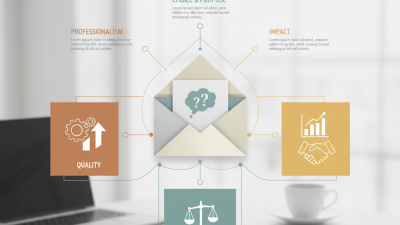
When selecting envelope paper for business needs, various factors come into play. The type of paper can greatly influence the impression your correspondence makes. According to a recent survey by the Paper and Paperboard Packaging Environmental Council, over 70% of businesses believe that quality paper enhances professional image. Therefore, understanding the different types of envelope paper available is crucial.
Durability is a key consideration. For example, heavier weights, such as 80 lb text, provide robustness for important documents. Many companies opt for this to ensure that their materials arrive in top condition. Additionally, the texture plays a role. Smooth finishes are often preferred for formal communications. Conversely, a linen finish can convey warmth and creativity. Research shows that adding a unique texture can increase engagement by up to 30%, as people are more likely to remember correspondence that feels different.
Sustainability is another important aspect. Many businesses now look for recycled options to minimize environmental impact. According to the Environmental Paper Network, nearly 50% of consumers consider sustainability when making purchases. Using eco-friendly materials can enhance a brand’s reputation while attracting environmentally conscious clients. However, not all recycled paper is created equal. Some may lack the durability needed for high-stakes communications, requiring careful selection.
Popular Envelope Paper Materials and Their Characteristics
When considering envelope paper types, several materials stand out due to their unique characteristics. One prevalent choice is 70-80 gsm paper, commonly used for standard business envelopes. This weight provides a balance of durability and cost-effectiveness, making it suitable for bulk mailing. According to a recent industry report, over 40% of businesses prefer this type for everyday correspondence.
For more premium applications, consider thicker papers like 90-120 gsm. These envelopes exude a higher quality feel, often enhancing the perceived value of the contents. Moreover, envelopes made from recycled paper are gaining popularity. A report from Sustainable Packaging Coalition indicates that 70% of companies prioritize eco-friendly options in their purchasing decisions. However, some may find that recycled envelopes often have a rougher texture.
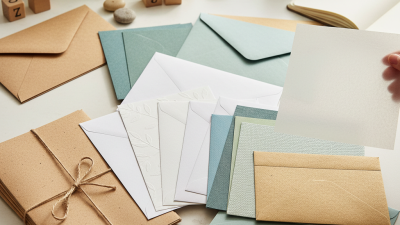
Another emerging trend is the use of specialty papers, such as linen or vellum. Linen texture adds an elegant touch, making it appealing for invitations and official documents. Vellum, with its translucent quality, is perfect for layered designs. Nonetheless, these specialty options can be costlier and may not suit every budget. Businesses should carefully weigh the benefits against potential drawbacks when selecting envelope materials.
China Top Envelope Paper Types for Your Business Needs
| Envelope Type |
Material |
Weight (gsm) |
Finish |
Best Uses |
| C4 Envelope |
Kraft Paper |
120 |
Natural |
Documents, Brochures |
| DL Envelope |
Coated Paper |
80 |
Matte |
Letters, Invitations |
| C5 Envelope |
Recycled Paper |
90 |
Textured |
Personal Correspondence |
| A4 Envelope |
Glassine |
100 |
Transparent |
Samples, Photos |
| B4 Envelope |
Premium Paper |
120 |
Glossy |
Marketing Materials |
Environmental Impact of Different Envelope Paper Types
The environmental impact of different envelope paper types is a crucial consideration for businesses today. Traditional paper production contributes significantly to deforestation. According to the Forest Stewardship Council, around 15% of global deforestation is linked to paper consumption. Companies must assess the sustainability of their materials.
Recycled paper options are gaining traction. They reduce landfill waste and require less energy in production. A report by the Environmental Paper Network shows that using recycled paper can save 60% of energy and 70% of water compared to virgin paper. However, the recycling process isn't flawless. Contaminations can affect the quality, making it necessary to balance purity and sustainability.
Biodegradable envelopes are an evolving alternative. They decompose into natural materials but may not be as widely available. Companies should ensure they support suppliers that prioritize environmentally friendly practices. It's also essential to evaluate local recycling capacities to prevent potential pitfalls in waste management. Making informed choices will require ongoing assessment and adaptation.
China Top Envelope Paper Types and Their Environmental Impact
Trends and Innovations in Envelope Paper for Business Use
The envelope paper market in China is experiencing significant trends and innovations. Many businesses are shifting towards eco-friendly materials. These papers are lighter and more sustainable. This trend mirrors a global movement towards environmental awareness. Companies are increasingly seeking alternatives that reduce their carbon footprint.
Another notable innovation is the rise in customizable envelope designs. Businesses want envelopes that reflect their brand identity. It helps convey professionalism and attention to detail. Advanced printing technologies allow for vibrant colors and intricate patterns. However, the challenge remains in balancing cost and quality. Many companies still struggle to find the right supplier.
In addition to design, functionality is crucial. Self-sealing envelopes are gaining popularity for their convenience. They save time for businesses that rely on bulk mailing. Yet, the durability of these envelopes can vary significantly. Not all coatings provide adequate protection during transit. Companies must carefully evaluate their options to prevent damage to important documents.




 +86-4000-808176
 +8618059761903