What Are the Best Paper Cups from China?
What Are the Best Paper Cups from China? The answer depends on more than price, appearance, or factory scale. A reliable cup must balance food safety, leak resistance, insulation, print quality, and responsible sourcing. In real purchasing work, a sample may look excellent yet soften after twenty minutes with hot coffee. That detail matters.
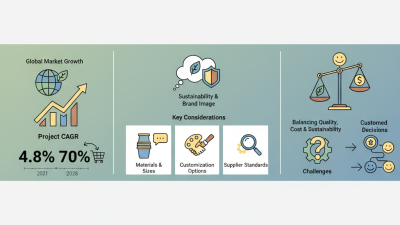
Industry data shows why this category deserves careful evaluation. Grand View Research’s Paper Cups Market report identifies steady global growth, supported by takeaway beverages, delivery services, and changing consumer preferences. However, published market estimates vary because researchers define “paper cups” differently. Some include only disposable beverage cups, while others include related foodservice products. That uncertainty should be acknowledged, not hidden.
China remains a major manufacturing base for customized foodservice packaging. Its advantages include large converting capacity, competitive material sourcing, and flexible printing options. The strongest suppliers should provide clear specifications for paperboard weight, polyethylene or water-based coatings, rim construction, and cup dimensions. They should also demonstrate compliance with applicable food-contact requirements and provide traceable certificates, such as FSC or PEFC documentation, when claimed.
Look closely.
A useful comparison should include hot-fill testing, stacking tests, odor checks, and transport simulations. Ask for production samples, not only catalog images. Supplier audits can also reveal storage conditions, hygiene controls, and quality inspection practices. Reports from Smithers and the Foodservice Packaging Institute repeatedly emphasize material performance, recycling challenges, and lifecycle considerations across foodservice packaging. Still, no cup is universally “best.” A compostable lining may sound attractive, but local collection infrastructure can determine its real environmental value. The better choice is measurable, verified, and suitable for its intended drink.
Paper Cup Types Commonly Made in China
What Are the Best Paper Cups from China?
Paper Cup Types Commonly Made in China
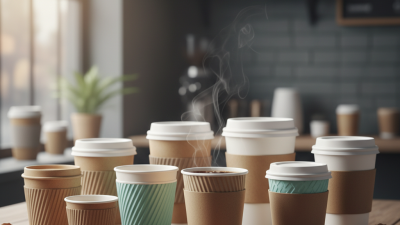
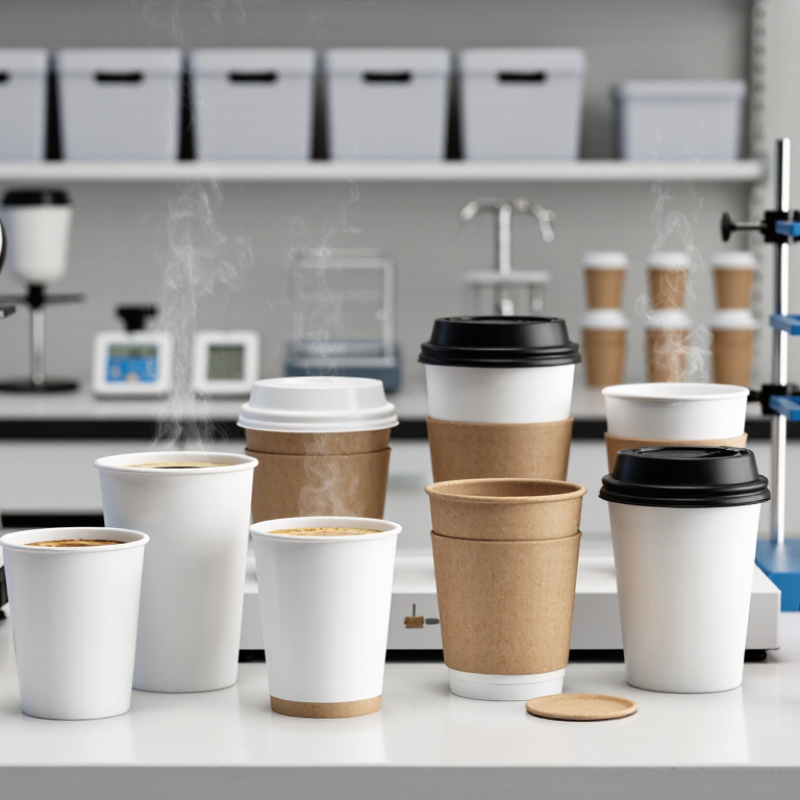
Single-wall paper cups are widely produced in China for coffee, tea, water, and takeaway drinks. They use less material and stack neatly in storage. However, the outside may feel hot with boiling beverages. For short serving times, this type is often practical and economical.
Double-wall cups add a second paper layer around the cup body. This structure improves heat protection without requiring a separate sleeve. Ripple-wall cups use a fluted outer layer, creating small air spaces between the drink and the hand. They feel firm and suit busy cafés, offices, and delivery orders. Cold drink cups are usually made with thicker paper, helping them resist moisture and softening.
The inner coating also matters. Polyethylene coatings offer reliable liquid resistance, while compostable coating options may use plant-based materials. Buyers should check the actual coating specification, not just a general environmental claim. In factory quality checks, I would inspect rim strength, seam sealing, leakage, and cup dimensions. A sample filled with hot water can reveal weak bonding within minutes. Printing quality deserves attention too. Smudged ink or uneven color may suggest poor process control. I would not choose the cheapest cup automatically. Sometimes the savings disappear through leaks, crushed rims, or uncomfortable heat transfer. Specifications can look perfect on paper, yet real samples may disappoint.
Key Materials Used in Chinese Paper Cup Production
What Are the Best Paper Cups from China?
Key Materials Used in Chinese Paper Cup Production
The best paper cups from China begin with carefully selected paperboard. Most commercial cups use food-contact kraft or bleached paperboard, commonly between 170 and 350 gsm. Heavier board improves stiffness, but it can increase material use and shipping weight. The China Paper Association reported that China produced over 140 million tonnes of paper and paperboard in 2023. This large industrial base supports consistent sourcing, although quality still varies between mills.
Cup performance also depends on the barrier layer. Polyethylene remains widely used because it resists leaks and handles hot drinks reliably. Water-based coatings and bio-based alternatives are gaining attention, but they may require tighter heat-sealing controls. Smithers estimates that the global sustainable packaging market will continue expanding strongly through 2029, driven by fiber-based formats and regulatory pressure. That trend is useful, but “eco-friendly” should never replace technical testing.
Small details matter. A smooth inner coating prevents liquid absorption around the rim. A firm bottom seal reduces dripping on a café counter. In factory quality checks, edge curling and weak side seams are frequent concerns. Cup buyers should request migration testing, burst testing, and leakage tests at actual serving temperatures. A cup may look premium and still soften after ten minutes. Material choice needs evidence, not attractive wording.
What Are the Best Paper Cups from China?
Key Materials Used in Chinese Paper Cup Production
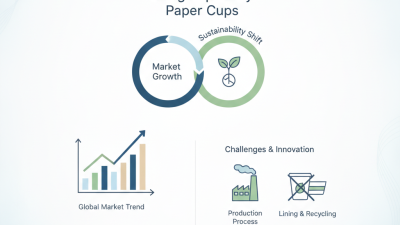
This chart shows representative midpoint values from commonly used commercial cupstock specifications.
The paperboard body provides strength, while PE, PLA, and water-based coatings improve resistance to liquids.
Actual material weights vary according to cup size, filling temperature, sealing method, and recycling requirements.
How Chinese Paper Cups Are Manufactured
What Are the Best Paper Cups from China?
How Chinese Paper Cups Are Manufactured
Reliable paper cups begin with stable food-grade paperboard and controlled production. Chinese factories usually receive large paper rolls, then inspect thickness, stiffness, moisture, and surface quality. The board is printed, coated, and cut into precise cup-wall blanks. Common coatings include polyethylene or compostable alternatives, depending on the intended use and local requirements.
The forming stage shapes each blank around a heated mold. A narrow side seam is sealed, while a separate machine rolls the bottom edge tightly. Operators check rim shape, wall strength, sealing quality, and cup dimensions during production. Some facilities perform leak tests by filling sample cups with warm water. Others test compression and stacking performance. Small details matter. A slightly uneven rim can affect drinking comfort and lid fit.
Tips: Request production samples before placing a large order. Compare the cup’s stiffness, surface finish, odor, print clarity, and leak resistance. Ask for material specifications, coating details, inspection records, and food-contact documentation for your destination market. Factory visits or independent inspections can provide stronger evidence than photographs. Communication is not always perfect, so confirm artwork, dimensions, packing quantities, and tolerances in writing. I have found that attractive samples may hide weak sealing or inconsistent sizing. Testing several batches is wiser, even when the first result looks excellent.
How to Choose the Best Paper Cups from China
What Are the Best Paper Cups from China?
How to Choose the Best Paper Cups from China
Choosing the best paper cups from China requires more than comparing prices. Grand View Research values the global paper cups market at over USD 12 billion, with steady growth expected through 2030. This growth increases supplier choices, but quality can vary. Ask for food-contact compliance documents, production samples, and recent migration-test reports. For the Chinese market, check alignment with GB 4806.8, covering paper, cardboard, and paper articles used with food.
Cup structure matters during real use. A 12-ounce hot drink cup should resist softening after several minutes. Inspect the paperboard weight, inner coating, rim seal, and base connection. A practical test is simple: fill the cup with hot water, hold it for ten minutes, and check leakage, odor, and wall deformation. The result may not match a laboratory report. That is worth remembering. Smithers’ packaging research continues to identify barrier performance and sustainability as major purchasing factors, but “eco-friendly” claims still need evidence.
Tips: Request three production samples, not one. Confirm cup volume after filling, not only the printed size. Ask whether recycled fiber is suitable for direct food contact. Verify coating composition and disposal guidance. Check carton strength, moisture protection, and pallet loading before shipment. A factory audit or independent inspection can reveal uneven printing, weak seams, and poor storage practices. Cheap cups can become expensive when leakage damages a customer’s order.
What Are the Best Paper Cups from China? - How to Choose the Best Paper Cups from China
| Cup Type |
Typical Capacity |
Recommended Paper Weight |
Lining Material |
Best Use |
Heat Performance |
Key Selection Consideration |
| Single-Wall Hot Cup |
4–16 oz (118–473 ml) |
170–320 gsm |
PE or water-based coating |
Coffee, tea, hot chocolate, and takeaway drinks |
Suitable for normal hot beverages; an external sleeve may be needed |
Check rim strength, leak resistance, and compatibility with standard lids |
| Double-Wall Hot Cup |
8–20 oz (237–591 ml) |
250–350 gsm combined structure |
PE or water-based coating |
Premium takeaway coffee and hot drinks |
Improved insulation and safer handling than a single-wall cup |
Evaluate insulation, cup stability, stacking efficiency, and lid fit |
| Ripple-Wall Hot Cup |
8–16 oz (237–473 ml) |
250–350 gsm combined structure |
PE or water-based coating |
High-temperature drinks and premium food-service applications |
Strong insulation with a textured outer surface for grip |
Check flute consistency, print quality, and resistance to crushing |
| Cold Drink Cup |
9–24 oz (266–710 ml) |
190–300 gsm |
PE or water-based moisture barrier |
Soft drinks, iced coffee, juice, and smoothies |
Designed to resist condensation and cold liquids |
Confirm condensation resistance, bottom sealing, and straw or lid compatibility |
| Grease-Resistant Food Cup |
8–32 oz (237–946 ml) |
250–350 gsm |
PE, aqueous, or grease-resistant barrier |
Soups, desserts, snacks, and portioned foods |
Performance depends on food temperature, oil content, and filling time |
Request oil-resistance and leakage tests using the intended food |
| Compostable-Coated Paper Cup |
8–16 oz (237–473 ml) |
220–320 gsm |
Certified compostable biopolymer or aqueous coating |
Sustainability-focused food-service programs |
Suitable for normal hot or cold beverage service when properly specified |
Verify applicable compostability certification and local disposal requirements |
Practical Buying Checklist
- Request samples and test them with the actual beverage or food before placing a bulk order.
- Confirm food-contact compliance for the destination market, including migration and material documentation.
- Check cup dimensions, rim diameter, bottom diameter, filling volume, and lid compatibility.
- Review print color accuracy, odor, seam quality, stacking performance, and carton protection.
- Compare total landed cost, including tooling, packaging, freight, import duties, and quality inspection.
Note: Paper weight, capacity, coating, and heat performance vary by construction and specification. The ranges above are general industry guidance; final suitability should be confirmed through product samples and test reports.




 +86-4000-808176
 +8618059761903