How to Choose the Best Envelope Paper for Your Business Needs?
Choosing the right envelope paper is crucial for any business. According to a report by Smithers Pira, the global envelope paper market is projected to reach $7.49 billion by 2025. This growth highlights the importance of quality materials in effective communication.
Expert Alex Johnson, an authority in the envelope paper industry, states, “The right envelope paper can enhance brand image and drive customer engagement.” It’s clear that selecting the right paper can impact how your business is perceived.
While many companies overlook this decision, it can have lasting effects. Not all envelope paper is created equal. Factors like weight, texture, and finish can make a difference. A thoughtful choice reflects professionalism and attention to detail, while a poor selection may lead to negative impressions. Being mindful of these aspects will aid businesses in making informed decisions.
Understanding the Different Types of Envelope Paper Available
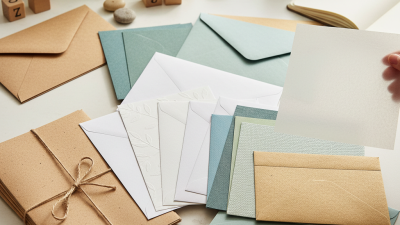
Choosing the right envelope paper is essential for your business communications. Various types of envelope paper exist, each serving specific purposes. For instance, the most common envelope paper options include opaque, translucent, and textured varieties. Opaque envelopes are perfect for professional documents. Their thickness provides confidentiality.
Translucent envelopes offer a unique presentation. They allow glimpses of the contents within. This style is often used for invitations or special announcements. According to a recent industry report, around 45% of companies opt for custom sizes and finishes, emphasizing the importance of a tailored approach.
Texture can also play a significant role. It adds a tactile element to your correspondence. Textured envelopes are often preferred for premium offerings. However, selecting the right paper weight is crucial. Too light can feel cheap, while too heavy could elevate postal costs. In essence, understanding these envelope types and their characteristics helps in making informed choices.
Assessing the Weight and Thickness of Envelope Paper for Durability
When selecting envelope paper for your business, weight and thickness are crucial. These factors directly influence durability. A heavier paper, often around 80 lb, feels more substantial. It can withstand rough handling during shipping. However, too thick paper may not fold neatly, causing issues in mailing machines.
Consider the purpose of your envelopes. For important documents, opt for higher weight. This ensures they arrive intact. A lighter paper, like 60 lb, works well for everyday correspondence. It saves on postage costs but may not provide the same level of protection.
Tips: Always test paper samples before making a bulk purchase. Check how they handle color printing, as some papers absorb ink differently. Pay attention to how envelopes seal. A poorly sealing envelope can compromise your message. Reflect on your choices as these small details impact your business image.
Envelope Paper Weight and Thickness Comparison
This chart illustrates the relationship between different envelope weights and their corresponding thickness in microns. Choosing the correct envelope paper based on weight is crucial for ensuring durability for various business needs.
Choosing the Right Finish: Matte vs. Glossy Envelope Paper
When selecting envelope paper, the finish plays a crucial role in its overall impact. Matte and glossy finishes each bring unique characteristics to the table. A report from the Paper and Paper Products Association highlights that 68% of consumers prefer matte envelopes for professional communications. Matte finishes impart a sense of sophistication. They are often more suitable for applications where legibility and a subtle look are essential, such as invoices or official documents.
In contrast, glossy finishes are vibrant and eye-catching. They reflect light and enhance colors, making them ideal for marketing materials. However, a study published in the Journal of Marketing Research suggests that glossy finishes may detract from perceived professionalism in certain contexts, with 43% of respondents associating glossy paper with less formal communications. When printing logos or images, glossy finishes can elevate visual appeal but may lead to smudging.
Both finishes come with trade-offs. A matte envelope could be seen as understated and elegant, yet it may not capture attention as effectively. Conversely, while glossy envelopes tend to stand out, they might feel too casual for some business scenarios. Thus, weighing the desired tone and purpose is essential in making an informed decision.
Color and Design Considerations for Professional Envelopes
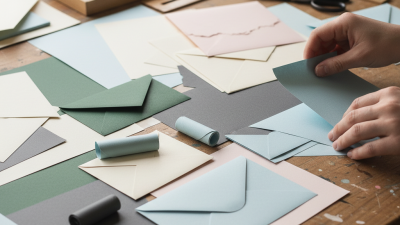
When selecting envelope colors and designs for professional correspondence, nuances matter. Research from the Pantone Color Institute shows that 92% of consumers make snap judgments based on color alone. Colors evoke emotions and can influence decision-making. A blue envelope conveys trust. Red can create a sense of urgency, while green symbolizes peace. Choosing the right shade can enhance your brand's message.
The design also plays a crucial role. A study by Notey found that 50% of consumers prefer simple, clean designs. A cluttered envelope can be off-putting. The right balance between text and imagery boosts professionalism. Consider using your company logo subtly, maintaining a cohesive brand identity. A well-chosen envelope reflects your business's values.
However, it's essential to strike a balance. Oversaturating the design with elements may overwhelm the recipient. There’s a risk of losing the essence of your message. Evaluate past feedback and adapt. Colors and designs should align with the personality of your brand. An envelope is more than just a holder; it’s a representation of your business ethos.
Sustainability Options: Eco-friendly Envelope Paper Choices
When selecting envelope paper for your business, consider sustainability. Eco-friendly options are growing in popularity. Many businesses want to reflect their values through their choices. Recycled paper is a prominent choice. It reduces waste and shows commitment to the environment. Choosing paper with a high percentage of post-consumer content can significantly lower carbon footprints.
Another option is tree-free paper, made from alternative fibers like bamboo or hemp. These materials are often more sustainable than traditional wood pulp. They also give a unique texture and appearance to your envelopes. Biodegradable inks add to the eco-friendliness of the envelopes. They can make your brand stand out without harming the planet.
There are challenges in sourcing eco-friendly materials. Some products may not have the same durability as conventional options. This can lead to waste if envelopes tear or fail. Being mindful of these aspects ensures informed decisions. Striving for sustainability doesn't mean sacrificing quality. Balancing aesthetics with eco-conscious choices is vital. Every step toward sustainable practices brings us closer to our goals.
How to Choose the Best Envelope Paper for Your Business Needs? - Sustainability Options: Eco-friendly Envelope Paper Choices
| Envelope Type |
Material |
Recycled Content (%) |
Certifications |
Price Range ($) |
| Standard Envelopes |
Recycled Paper |
30-50% |
FSC Certified |
0.10 - 0.20 |
| Window Envelopes |
Plant-based Biodegradable |
40-60% |
Green Seal |
0.15 - 0.30 |
| Custom Printed Envelopes |
Recycled Kraft Paper |
100% |
FSC & SFI Certified |
0.25 - 0.50 |
| Business Envelopes |
Post-Consumer Recycled |
50-70% |
Cradle to Cradle Certified |
0.20 - 0.40 |
| Mailing Envelopes |
Biodegradable Plant Fiber |
50% |
EcoLogo Certified |
0.35 - 0.55 |




 +86-4000-808176
 +8618059761903