How to Source Cylinder Paper Boxes in 2026?
Sourcing a Cylinder Paper Box in 2026 requires more than comparing attractive product photos. Buyers must connect packaging design with material performance, supplier capability, and verified production records. A box may look premium on a screen, yet arrive with weak seams, uneven printing, or a lid that slips during transport. Small details matter.
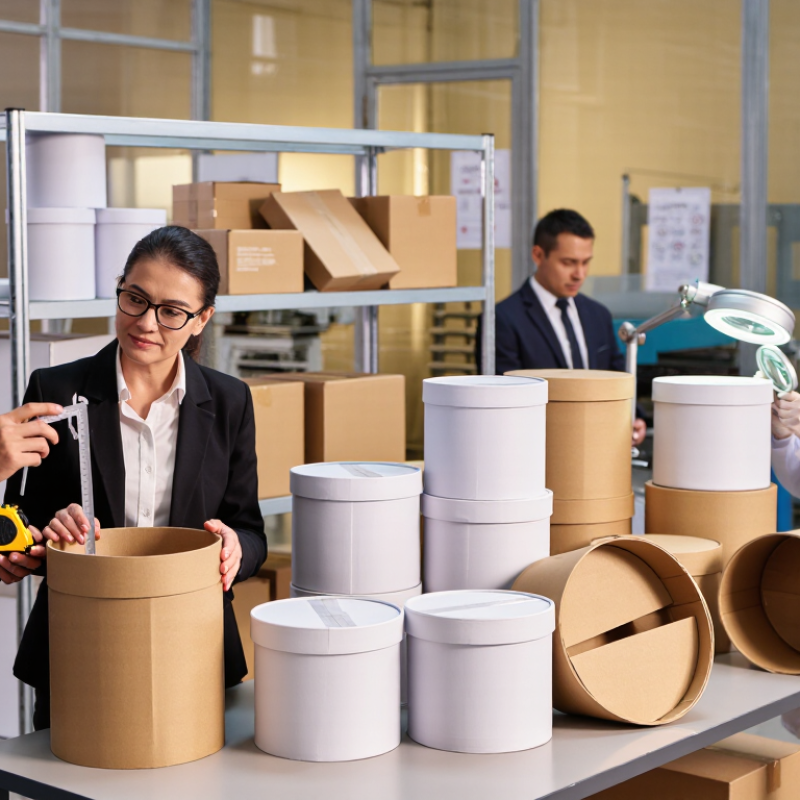
Begin with the product’s real conditions. Measure the item, including its height, diameter, weight, and protective requirements. Then define the paperboard grade, wall thickness, coating, closure style, and printing method. Ask suppliers for physical samples, not only digital mockups. Test the box on a warehouse shelf, inside a shipping carton, and in a humid room. These simple checks reveal problems early.
Experienced sourcing teams also examine factory capacity, quality controls, lead times, and communication habits. Request material specifications, test reports, production photos, and references from comparable projects. Sustainability claims deserve careful review. Recycled content, water-based inks, and recyclable structures can be valuable, but each claim should have supporting evidence. Marketing language is not proof.
Price still matters. It should not lead alone. A lower quotation may exclude tooling, sampling, inspection, or safer shipping protection. Build a clear cost comparison before approving an order. I have found that supplier discussions often expose missing requirements. That is useful. The sourcing plan may need revision.
By 2026, reliable procurement will favor transparent partners and measurable standards. Choose a Cylinder Paper Box supplier that can explain every major decision. Design beautifully. Test honestly. Improve where the evidence demands it.
Define Your Product Requirements and Cylinder Box Specifications
How to Source Cylinder Paper Boxes in 2026?
Define Your Product Requirements and Cylinder Box Specifications
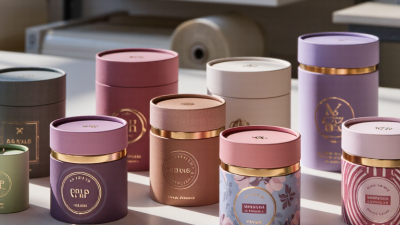
Before contacting suppliers, define the product, quantity, and customer experience. Record the product’s diameter, height, weight, and fragile points. Measure the item with its final insert, not alone. A small measurement error can create costly lid friction or unwanted movement. Choose the paperboard grade according to compression, moisture exposure, and printing needs. For premium presentation, specify surface texture, color accuracy, and opening resistance. For shipping, request crush testing and realistic stacking tests.
Smithers forecasts the global sustainable packaging market will grow from $274.2 billion in 2023 to $393.4 billion by 2028. This growth increases material choices, but also increases specification confusion.
Specify the cylinder’s internal diameter and usable height separately. Define wall construction, seam position, base style, lid overlap, and tolerance ranges. Ask for caliper data and recycled-fiber content. Paper density can vary between mills. That matters. The 2023 McKinsey packaging survey found paper and cardboard ranked among consumers’ preferred materials for sustainability.
However, preference does not replace performance testing. A recyclable box may still fail if its adhesive weakens in humid storage. Request a prototype before approving mass production. Include color samples, dielines, insert drawings, and packing photos in the purchase file. I would also test an intentionally imperfect sample. Real handling often exposes weaknesses that polished samples hide.
Tips:
Start with three prototypes, not one. Test opening force, edge damage, odor, and fit. Keep a tolerance table. Recheck every measurement after filling the box. Never approve from a screen image alone.
Identify Suitable Cylinder Paper Box Suppliers
Sourcing cylinder paper boxes in 2026 starts with identifying suitable suppliers, not choosing the lowest quote. Look for manufacturers with proven experience in paperboard thickness, winding accuracy, and custom printing. Ask for recent production samples. Inspect the lid fit, edge smoothness, and internal finish by hand. A reliable supplier should provide material specifications, tolerance ranges, testing records, and clear lead times. Request details about recycled content and responsible paper sourcing. Vague answers deserve caution.
Tips: Send a practical specification sheet. Include box diameter, height, wall thickness, closure style, print colors, order quantity, and delivery location. Ask for a physical prototype before mass production. Compare at least three quotations, but compare process details too. A low price may hide weak glue, inconsistent sizing, or expensive tooling charges. Confirm whether sampling, artwork preparation, and packaging are included.
Evaluate supplier communication during the quotation stage. Experienced teams usually clarify unclear measurements instead of guessing. They should explain production limits and suggest realistic alternatives. Check factory capacity, inspection procedures, and replacement policies in writing. A video audit can reveal storage conditions, machinery, and actual workflow. Still, it is not proof of perfect quality. My own mistake was trusting polished samples without checking batch consistency. Test several boxes from one production run. Measure the diameter, weigh the paperboard, and record defects under bright light. Keep approved samples with the purchase agreement.
How to Source Cylinder Paper Boxes in 2026?
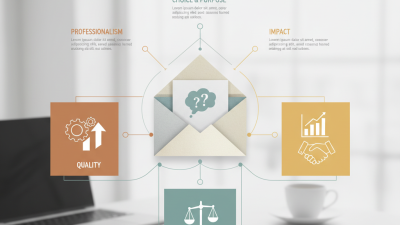
Identify suitable cylinder paper box suppliers by comparing the procurement factors that most directly affect packaging performance, cost, and delivery reliability.
The chart presents a practical 100-point evaluation model for supplier screening. Structural performance and print quality receive the highest weighting because they directly influence product protection and shelf presentation. Buyers should also verify minimum order quantities, production lead times, recycled material options, testing documentation, and total landed cost before requesting samples or placing an order.
Compare Pricing, Minimum Orders, and Production Lead Times
When sourcing cylinder paper boxes in 2026, compare landed cost, not only the unit quote. A standard kraft cylinder may cost less than a rigid printed version. However, tooling, foil stamping, inserts, freight, and inspection can change the final price. Use the same specification sheet for every supplier. Include diameter, height, board grade, wall thickness, closure style, printing colors, and packing method.
Paper costs remain sensitive to mill capacity and energy prices. CEPI reported European paper and board production at about 91 million tonnes in 2023, after a year-on-year decline. That volatility can affect quotations. Ask suppliers to state quote validity clearly. For small runs, expect higher unit pricing and minimum orders near 1,000–3,000 pieces. Custom molds, complex lids, or special finishes may push the MOQ above 5,000. Production commonly takes 20–35 working days after artwork approval. Add another 7–15 days for sampling and transport. These ranges are practical, not guaranteed.
Tips: Request three quotes, one physical sample, and a written production schedule. Check whether the sample uses final materials. It matters. Smithers’ packaging forecasts also show continued demand for fiber-based formats through 2028, but demand growth does not guarantee faster capacity. I have seen buyers choose the lowest quote and later pay for weak edges, color variation, or rushed freight. A cheaper box can become expensive. Leave buffer time before seasonal launches, and confirm quality checkpoints before paying the balance.



 +86-4000-808176

 +8618059761903